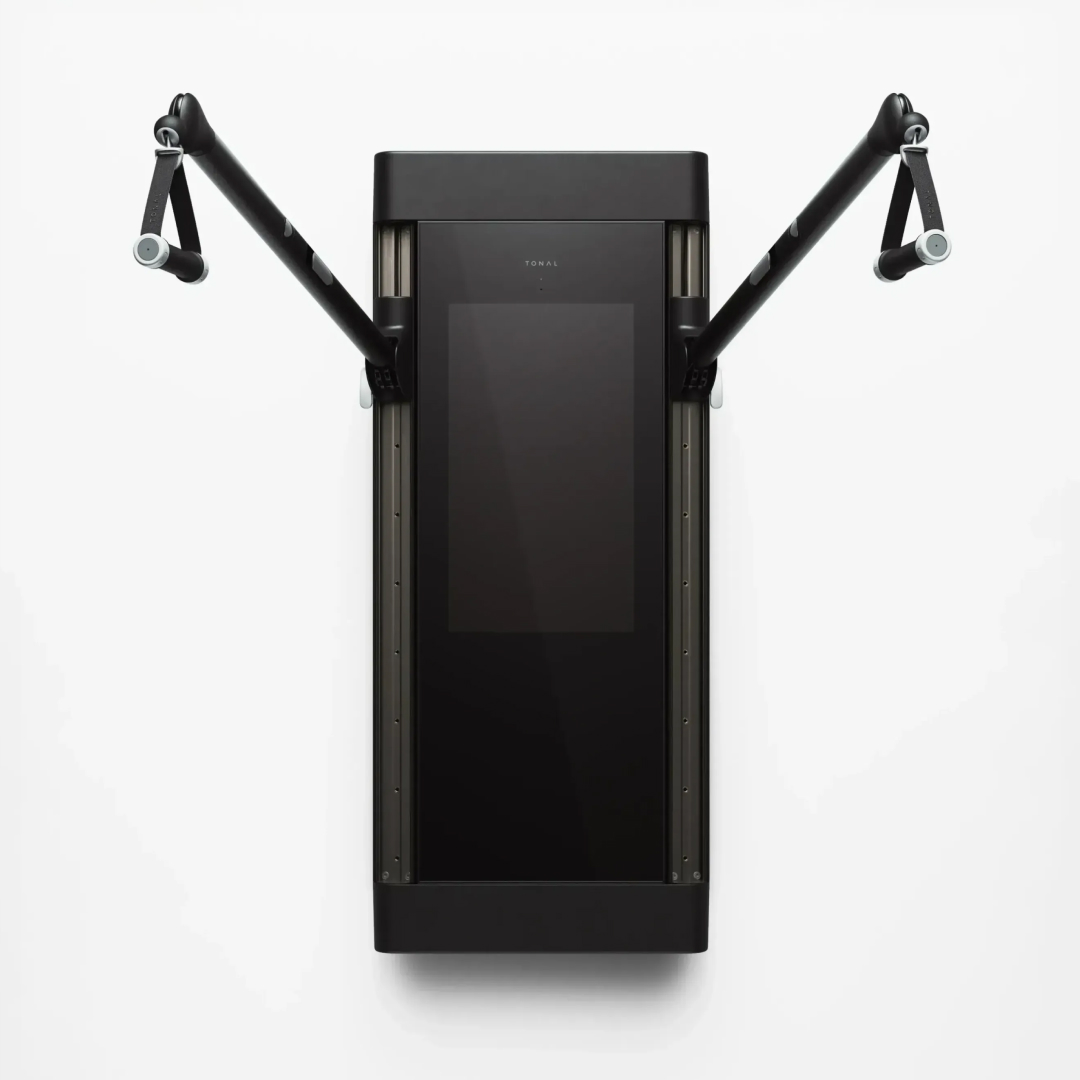


Human-machine interaction design is the practice of designing how people communicate with, control, and receive information from machines and intelligent systems. It can include physical controls, digital interfaces, sensors, displays, gestures, voice, lighting, sound, haptics, and machine behavior.
Unlike screen-only interaction, human-machine experiences can span physical and digital environments. The product needs to make its state understandable and give people a clear sense of what they can do next.
Machines can perform complex tasks, but complexity can create uncertainty for the person operating them. Clear controls and predictable feedback help users understand the system without having to understand its underlying technology.
Thoughtful interaction design can support usability, safety, efficiency, and confidence. It also helps teams resolve physical and digital behavior together instead of treating each interface as a separate problem.
Whipsaw combines human factors, interaction design, industrial design, and technology to design human-machine experiences around real users and operating contexts. We look at both what the machine needs to do and what people need to understand.
Prototypes and interaction testing help us evaluate whether responses feel clear and predictable. These decisions develop alongside product form, electronics, software, and engineering rather than being added at the end.


Human-machine interaction design defines how people communicate with, control, and receive information from machines and intelligent systems. It can include physical controls, digital interfaces, sensors, displays, voice, movement, lighting, sound, and haptics.
UX design can focus primarily on digital products and interfaces, while human-machine interaction also considers machine behavior, physical controls, sensing, movement, and feedback. Many connected and intelligent products need both perspectives.
Complex machines can become difficult to operate when users cannot understand their state or response. Clear controls, feedback, and predictable behavior can make machine interactions easier to learn and use.
It can include controls, displays, voice, gestures, sensors, haptics, sound, lighting, movement, system states, and feedback. These elements should work together around the user’s task and operating environment.
Whipsaw combines human factors, interaction design, industrial design, and technology to define the relationship between human actions and machine responses. Prototypes help evaluate whether those responses are understandable and predictable.


