


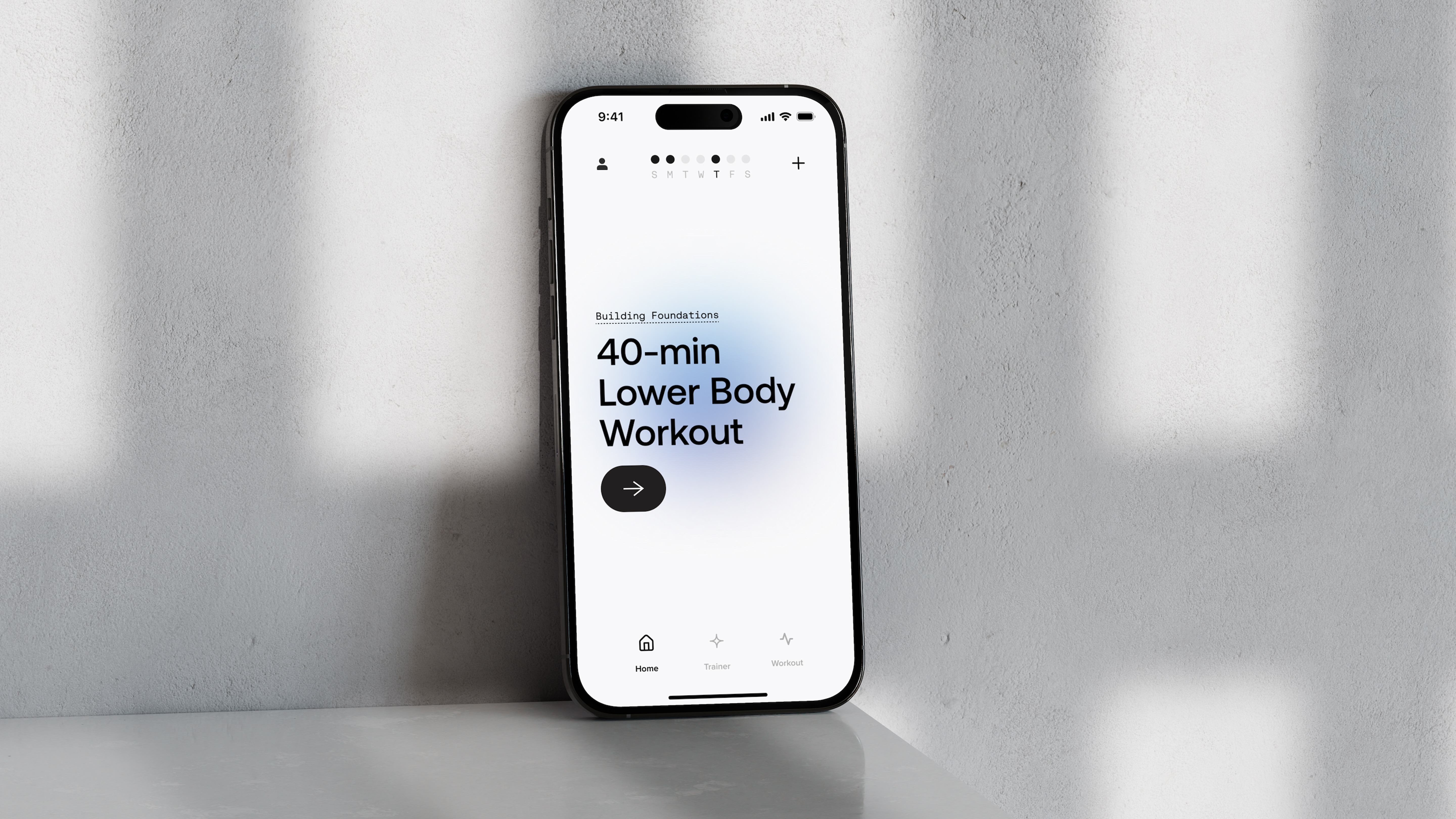
User experience (UX) and user interface (UI) design are complementary disciplines that shape how people use a digital product and how that experience is presented. UX focuses on structure, functionality, navigation, and usability. UI focuses on visual presentation and interaction details such as layout, typography, color, iconography, and motion.
Together, UX and UI turn product requirements into an experience people can navigate and understand. Information architecture organizes content and functions, user flows define movement through the product, and prototypes let teams evaluate the experience before development.
Powerful technology doesn't automatically make a product easy to use. Clear UX can remove unnecessary steps and confusion, while a strong UI gives those functions a consistent and understandable visual language.
Early UX and UI work also reduces development risk. Testing a workflow or prototype before it becomes code gives teams a chance to find usability problems while they are still relatively easy to change.
Whipsaw treats UX and UI as one connected product experience. Our teams bring research, information architecture, interaction design, prototyping, visual design, and design systems together around user needs and product goals.
We carry those decisions from early product concepts into detailed interface design and development. The aim is a digital experience that feels clear and purposeful without losing the character of the product or brand.


User experience (UX) design shapes how a digital product works, including structure, navigation, functionality, and usability. User interface (UI) design shapes how that experience is presented through layout, typography, visual hierarchy, interaction details, and visual language.
Good UX helps users understand a product and complete tasks without unnecessary friction, while UI makes those functions clear and consistent. Both need to work together so the product is useful as well as visually coherent.
The process can include user research, information architecture, user flows, wireframes, interaction design, prototypes, visual design, usability testing, and design systems. The specific methods depend on the product and its stage of development.
Whipsaw connects research, product strategy, interaction design, visual design, prototyping, and design systems around user needs and business goals. UX and UI decisions are developed as part of the broader digital product experience.
UX design should begin early enough to influence product structure, workflows, and priorities before development decisions are fixed. Early prototypes and research can reduce the cost of changing major experience decisions later.
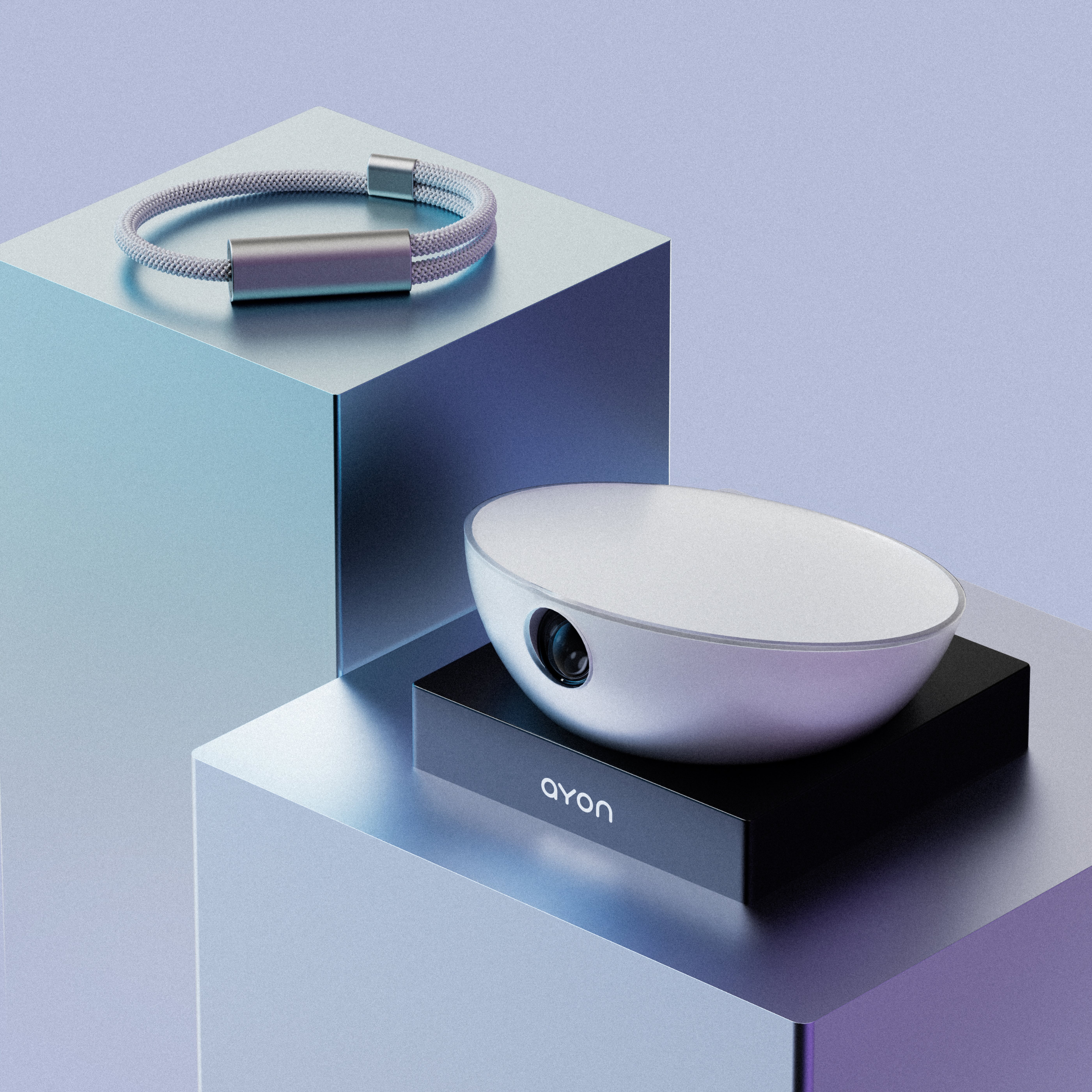
Yes. Whipsaw works across digital product design, industrial design, interaction design, and connected product experiences. This is particularly relevant when a digital interface needs to work closely with physical hardware or services.


