


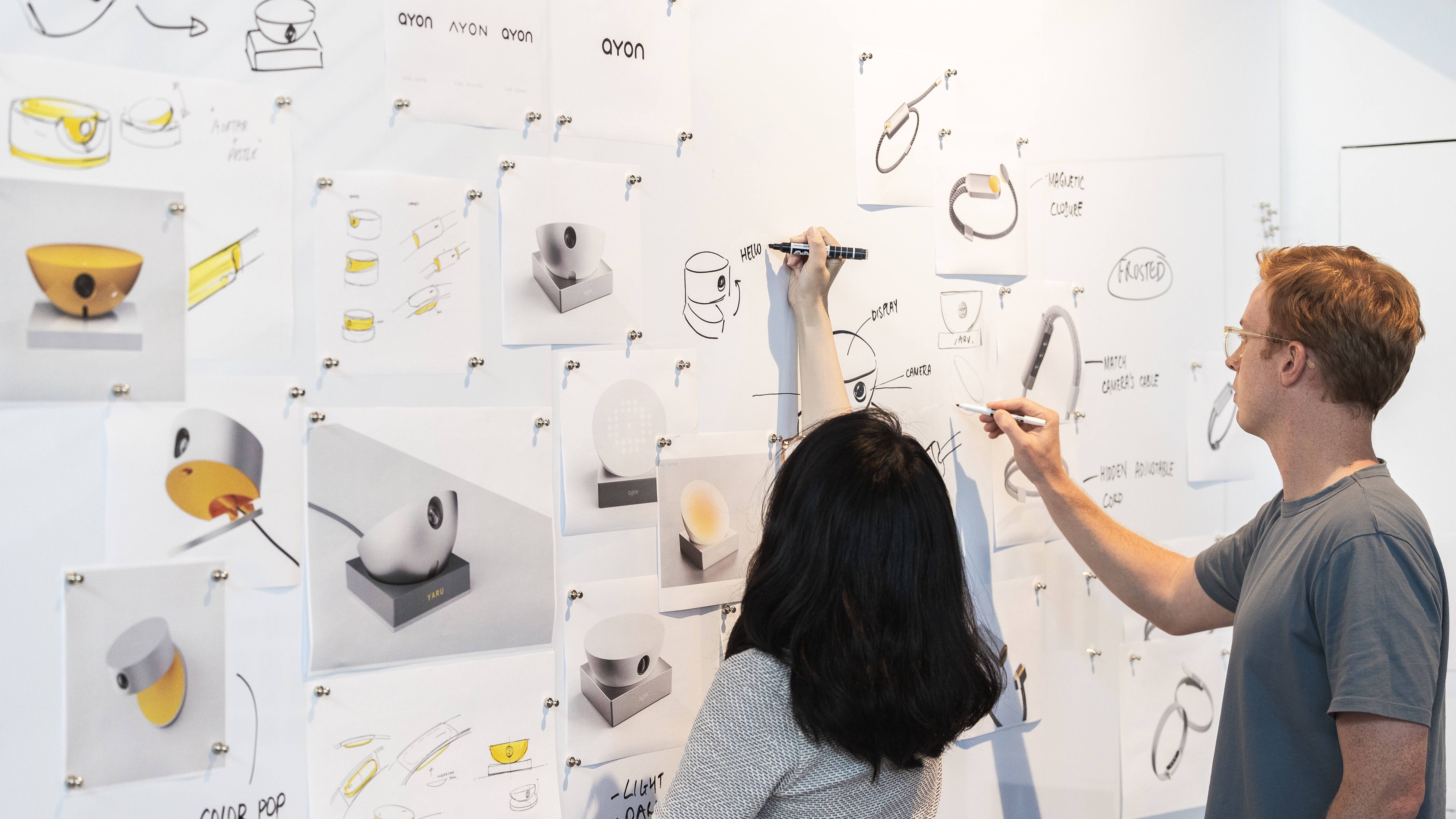
Journey mapping is the process of visualizing the steps, interactions, and experiences a person has with a product, service, or brand. A journey map can capture goals, actions, expectations, pain points, and touchpoints across stages of an experience.
Unlike looking at a single screen or interaction in isolation, journey mapping shows how the parts connect. It can reveal gaps between channels, unmet needs, decision points, workarounds, and moments where the experience becomes inconsistent.
Customers rarely experience a product through one channel. They may discover it on a website, purchase it elsewhere, use an application, interact with physical hardware, and contact support. Each step contributes to the experience they remember.
Mapping those steps helps teams see where friction sits between departments, channels, and systems. It also creates a clearer basis for prioritizing improvements instead of optimizing individual touchpoints in isolation.
Whipsaw uses journey mapping to connect user research, product strategy, UX, and physical and digital experience design. We look at real behavior and expectations, not just the ideal path a product team expects users to take.
The resulting map turns research into a practical framework for decisions. It can inform user flows, information architecture, connected experiences, service interactions, and broader product priorities.


Customer journey mapping visualizes the steps, interactions, expectations, and pain points a person experiences while using a product, service, or brand. It looks across touchpoints rather than focusing on a single screen or interaction.
Journey mapping helps teams see how different interactions connect across the customer experience. It can reveal gaps between channels, repeated friction, unmet needs, and opportunities that are not obvious when teams examine individual touchpoints in isolation.
A journey map can include stages, user goals, actions, touchpoints, expectations, pain points, decision points, and opportunities. The exact structure should reflect the research and the question the team needs to answer.
Journey maps give UX teams a broader view of where users encounter friction and what they are trying to accomplish. These insights can inform information architecture, user flows, digital interfaces, connected experiences, and product priorities.
Journey mapping is useful when an experience spans multiple touchpoints, channels, or stages. It is particularly valuable when teams need to understand the full customer experience rather than optimize one interaction in isolation.


