
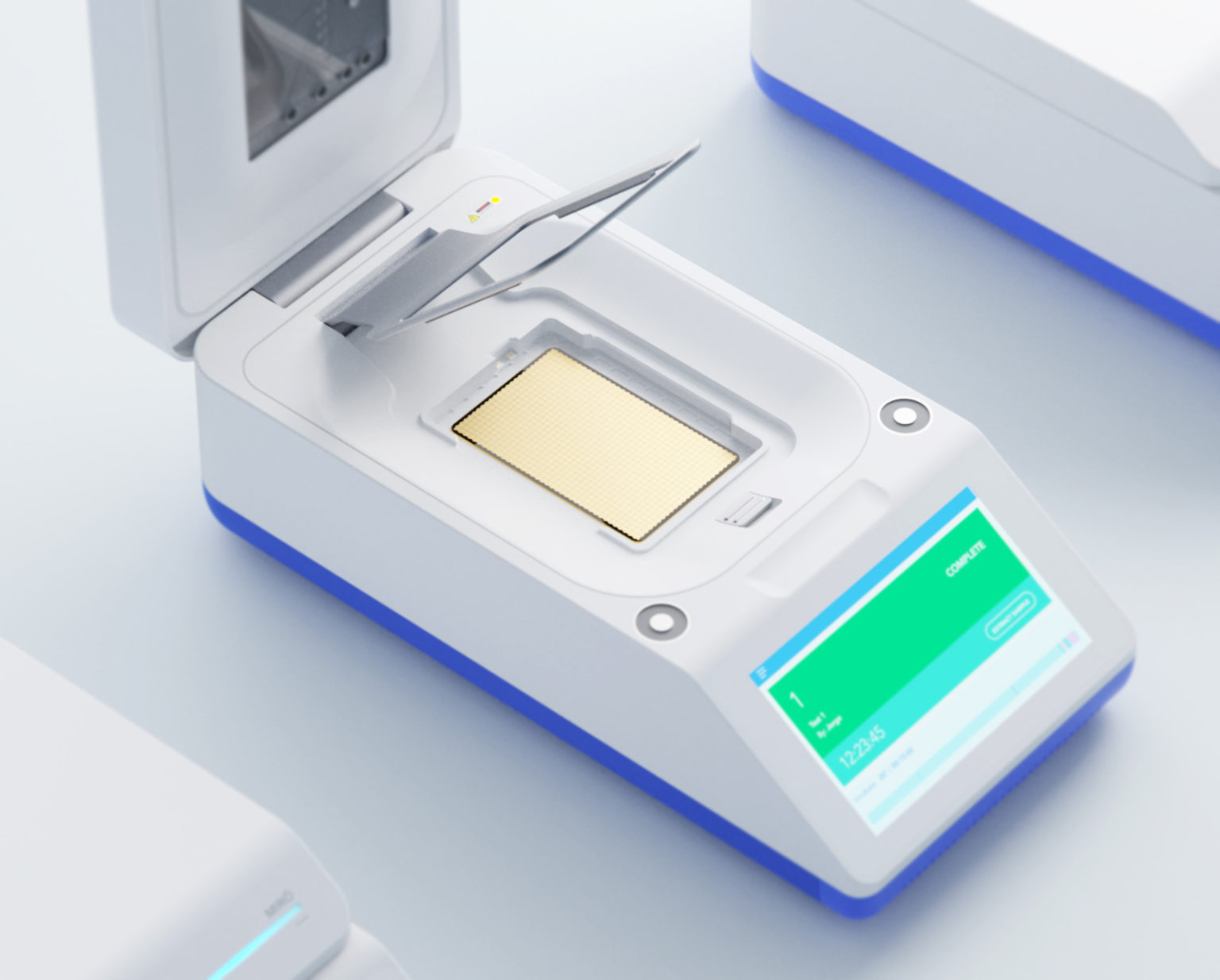


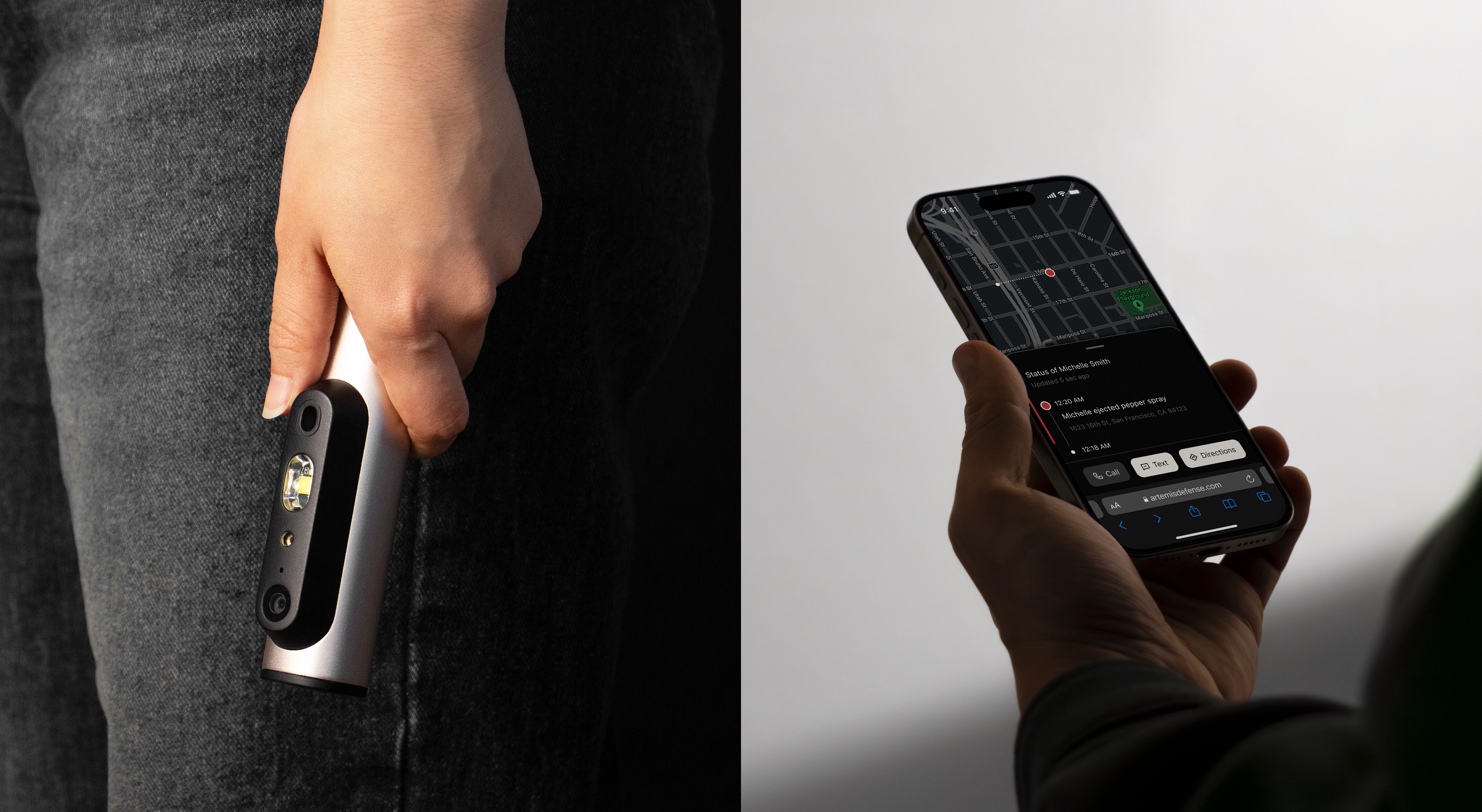
Digital product prototyping is the process of creating an interactive representation of a product before it is fully developed. Prototypes can range from simple wireframes and clickable flows to high-fidelity interfaces that simulate the final experience.
Data-driven testing adds evidence by measuring how people interact with those concepts. Depending on the product question, teams can examine task completion, navigation, errors, preferences, engagement, or other behavioral signals.
Building a digital product before testing its key assumptions can make problems expensive to fix. A prototype lets people experience an idea before it becomes code, while testing provides evidence about whether the proposed experience works.
Early validation can reveal confusing navigation, inefficient workflows, unclear content, interaction problems, or features that don't create the expected value. Those findings can change what gets built before development moves too far.
Whipsaw combines UX, interaction design, prototyping, user research, usability testing, and data analysis to validate digital product experiences. We create prototypes at the level needed to answer the product question, then use evidence to guide the next iteration.
Testing isn't a final checkpoint. It is part of the product development loop. Findings can change UX strategy, interface design, design systems, priorities, and the product itself while there is still time to act on them.


Digital product prototyping creates an interactive representation of a product before it is fully developed. Prototypes can range from simple wireframes and clickable flows to detailed interfaces that closely simulate the intended experience.
Prototypes let teams experience and evaluate an idea before investing heavily in development. They can expose problems with navigation, workflows, content, interactions, and functionality while changes are still easier to make.
Data-driven testing uses user behavior and other evidence to evaluate digital product decisions. Teams can examine task completion, navigation, errors, engagement, preferences, or other relevant signals depending on the product question.
Prototyping can happen throughout development, from early product concepts to detailed workflows and interfaces. The right fidelity depends on what the team needs to learn and how much uncertainty remains.
Testing can reveal confusing navigation, inefficient workflows, unclear content, interaction problems, and differences between expected and observed user behavior. Those findings can guide design changes before they become expensive development changes.


