


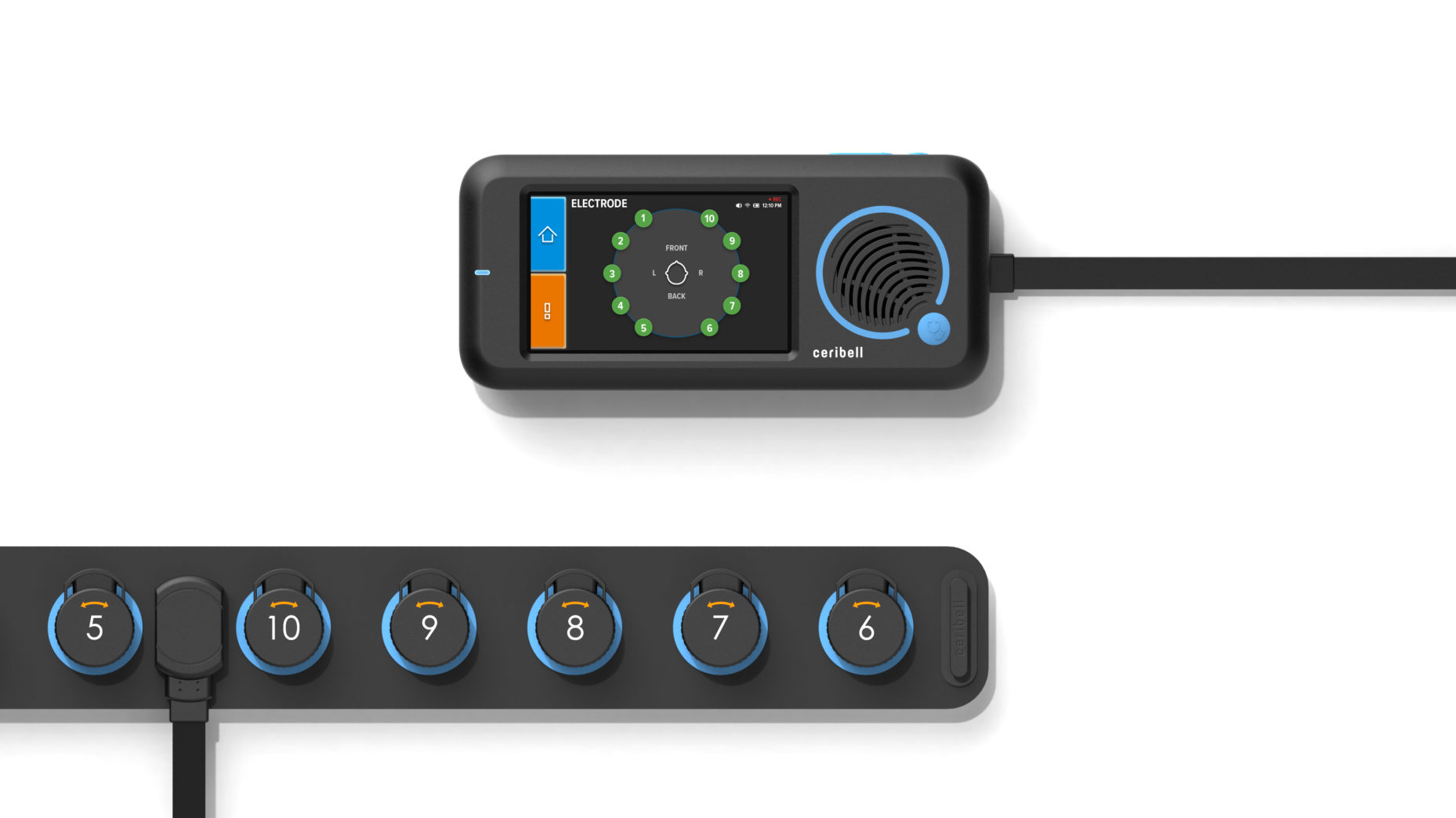
Sensor and data experience design is the process of turning information from sensors, connected devices, and digital systems into useful user experiences. It considers how data is collected, interpreted, prioritized, visualized, and communicated.
Sensor data can come from cameras, motion sensors, environmental sensors, biometric systems, connected hardware, and other systems. The design challenge is to determine which information matters and give users enough context to understand it.
More data doesn't automatically create a better product. When interfaces expose too much information or fail to highlight what matters, people can struggle to identify the signals that require attention.
Clear hierarchy, visualization, alerts, and feedback can turn complex information into something more actionable. This can help people understand system status, notice changes, monitor performance, and respond when action is needed.
Whipsaw combines UX, interaction design, data visualization, human factors, industrial design, and technology to design experiences around complex sensor and system data. We consider the path from sensing to interpretation to user action.
Prototypes and user testing help us see whether information is actually understandable. We connect those decisions to product strategy, connected products, and technical architecture so data becomes part of the product experience rather than a separate dashboard layer.


Sensor and data experience design turns information from sensors, connected devices, and digital systems into experiences people can understand and act on. It considers how data is collected, interpreted, prioritized, visualized, and communicated.
Connected products can generate large amounts of information, but users usually need only the signals that help them understand a situation or make a decision. Clear hierarchy and visualization can turn complex data into useful product feedback.
Sensor data can come from environmental sensors, motion systems, cameras, biometric systems, connected hardware, and other devices. The design challenge is to determine which information matters and how users should understand it in context.
It should communicate the information users need for the task, with appropriate context, hierarchy, feedback, and alerts. The right presentation depends on the data, user, environment, and decision the product supports.


