


Go-to-Market & Launch Strategy
Building coordinated go-to-market strategies that connect product positioning, audience, channels, launch timing, and customer acquisition.
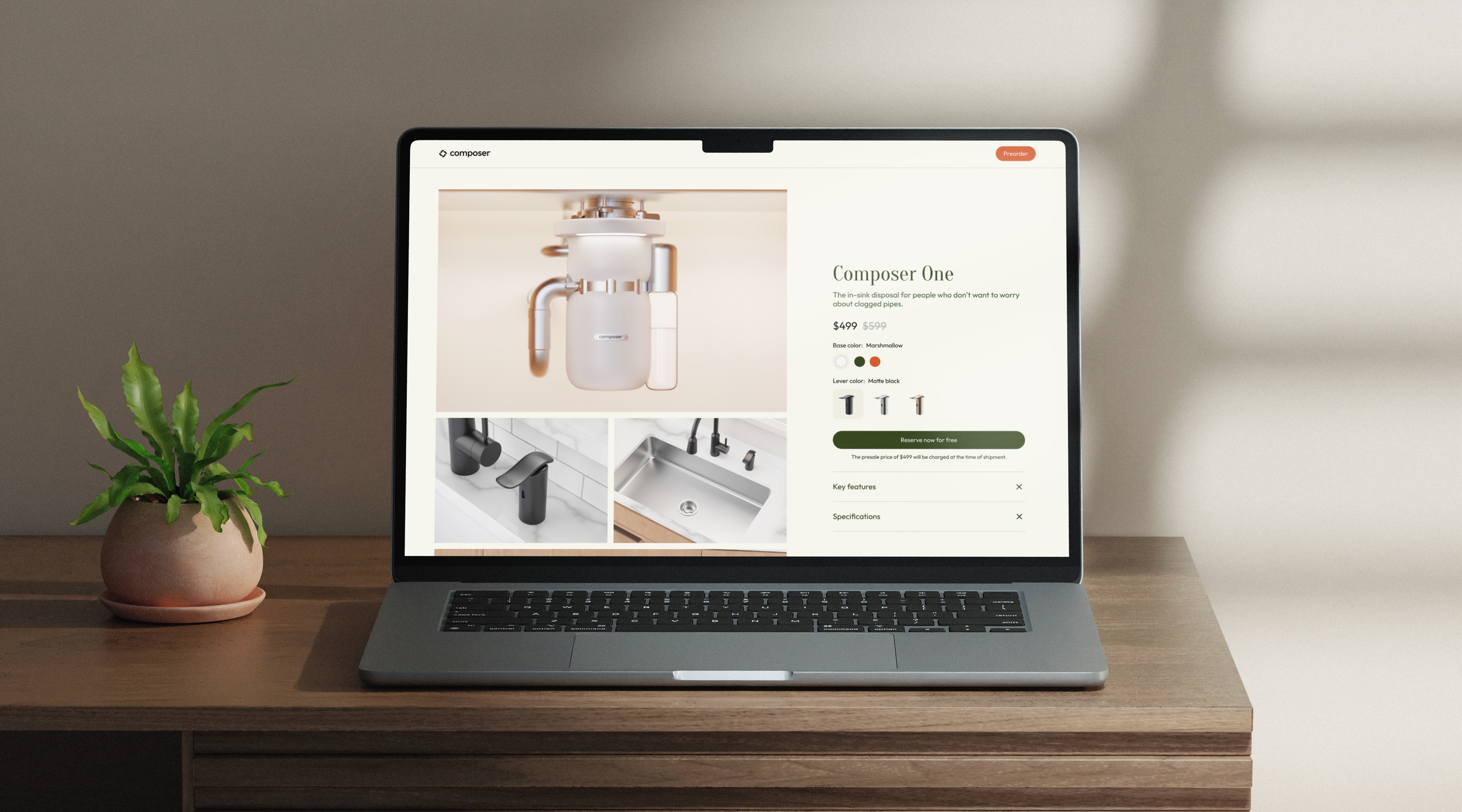
How We Work
A successful launch requires more than a campaign or a launch date. We define how the product should be positioned, who needs to hear about it, what they need to understand, where they should encounter it, and how the different launch activities should connect.
The strategy can bring together brand, product, website, e-commerce, content, paid media, email, social, and other activation channels into one launch framework.
What Does Go-to-Market Strategy Involve?
Go-to-market strategy defines how a product or service will enter a market, reach its intended audience, communicate its value, and convert interest into action.
It can include positioning, audience definition, messaging, channel strategy, launch sequencing, campaign planning, sales enablement, e-commerce, and post-launch optimization.
For physical products, the strategy may also need to account for product availability, pre-orders, inventory, retail, fulfillment, and production readiness.
Why Launch Strategy Matters
A product can be ready to ship without being ready to sell. Customers still need to understand what the product does, why it matters, why they should choose it, and how they can purchase it.
A coordinated launch strategy gives those questions clear answers across the customer journey rather than leaving each channel to develop its own approach.
Whipsaw's Launch Expertise
Whipsaw connects go-to-market strategy with brand, product, digital, creative, and marketing capabilities. This allows launch planning to remain connected to the actual product experience rather than being developed separately from it.
For brands like


FAQ
What is a go-to-market strategy?
A go-to-market strategy defines how a product will be positioned, introduced to its target audience, marketed, sold, and supported as it enters the market.
What does a product launch strategy include?
It can include audience research, positioning, messaging, channel planning, campaign development, website strategy, e-commerce, launch sequencing, and performance measurement.
When should go-to-market planning begin?
Planning should begin well before launch so positioning, messaging, creative assets, website infrastructure, commerce, and channel activity can be coordinated.
Is go-to-market strategy only for new products?
No. It can also support product relaunches, market expansion, new audiences, new channels, and major changes to an existing offering.
How does Whipsaw connect launch strategy with product design?
Whipsaw can develop product, brand, digital, and market strategy together so the launch reflects the actual product experience.
What happens after a product launches?
Post-launch activity can include performance tracking, content, paid media, email, social, e-commerce optimization, and other activities that help teams learn from market response.
Next Service
Audience Research & Channel Strategy
Audience research and channel strategy is the work of identifying who a product is for and where to reach them. We build the audience picture through demographic and psychographic profiling and behavioral research, then map it to the channels, paid, social, email, organic, that will actually move it. The point is to spend launch budget where it works, not spread it thin across channels that were never going to convert.


