

Logo & Graphic Identity
Creating distinctive visual identities that give brands a recognizable and flexible presence across products, digital experiences, and communications.
How We Work
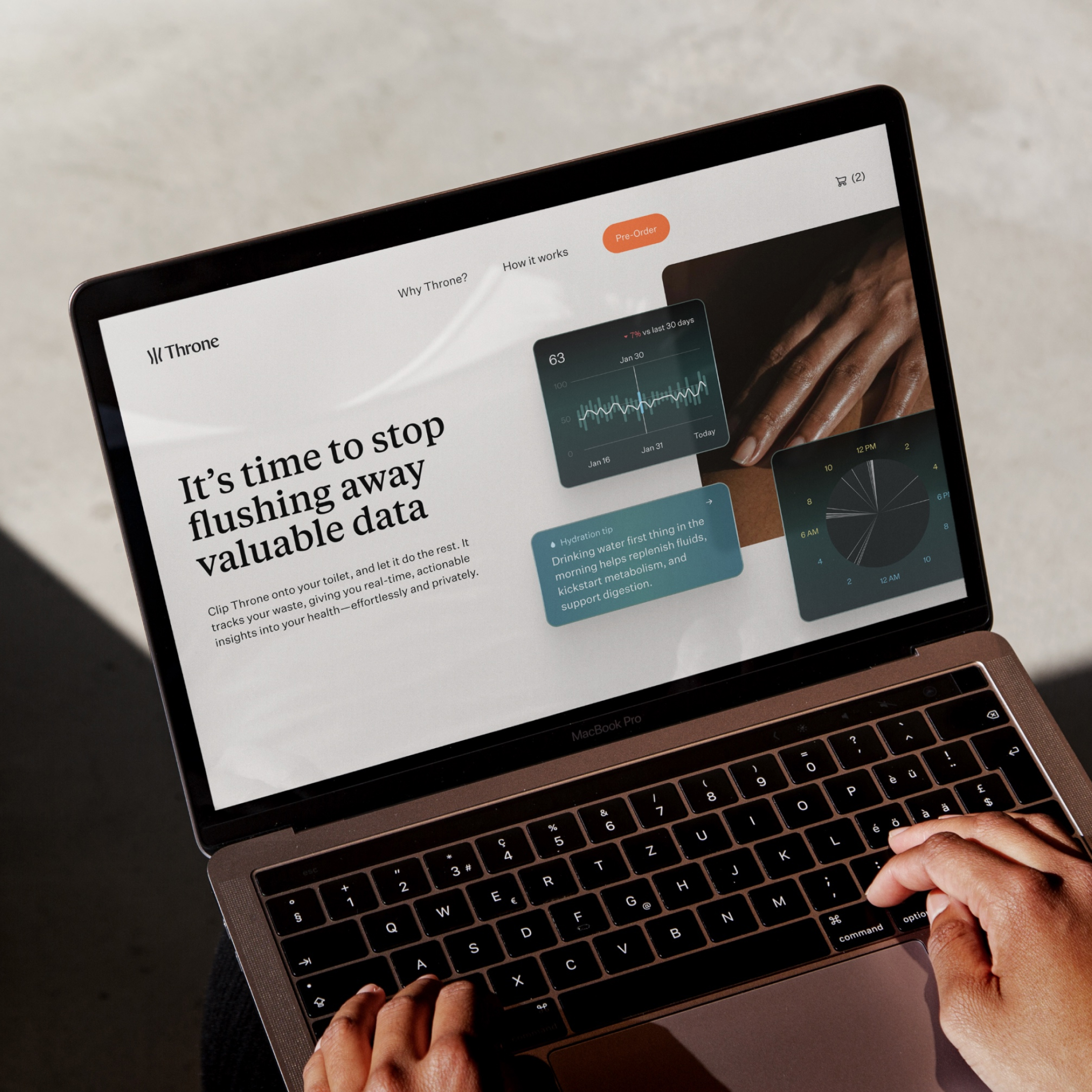
A logo is often the most recognizable element of a brand, but it works best when it belongs to a larger visual system. We explore identity concepts through typography, form, color, graphic elements, iconography, imagery, and composition, refining each element against the brand strategy and the environments where it will appear.
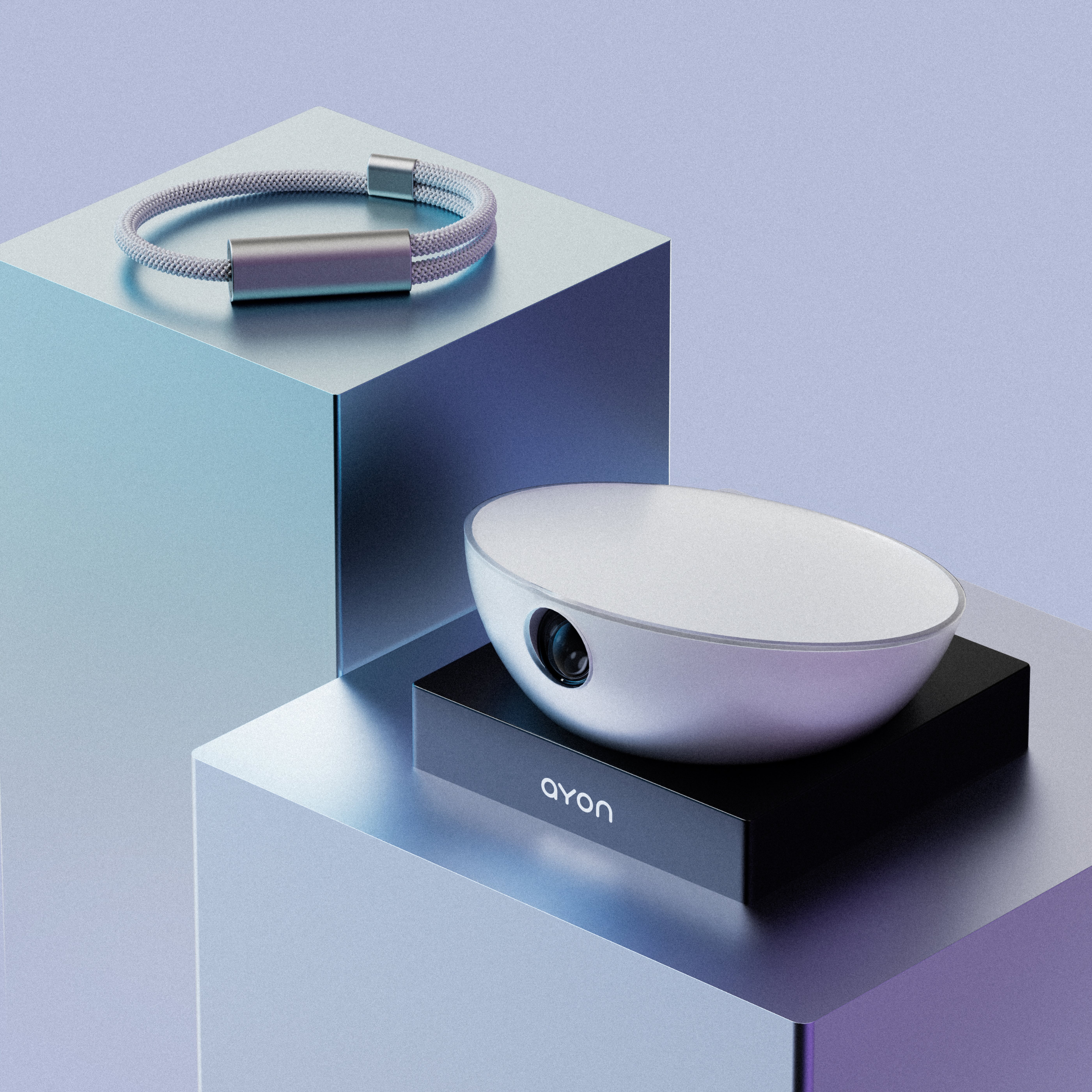
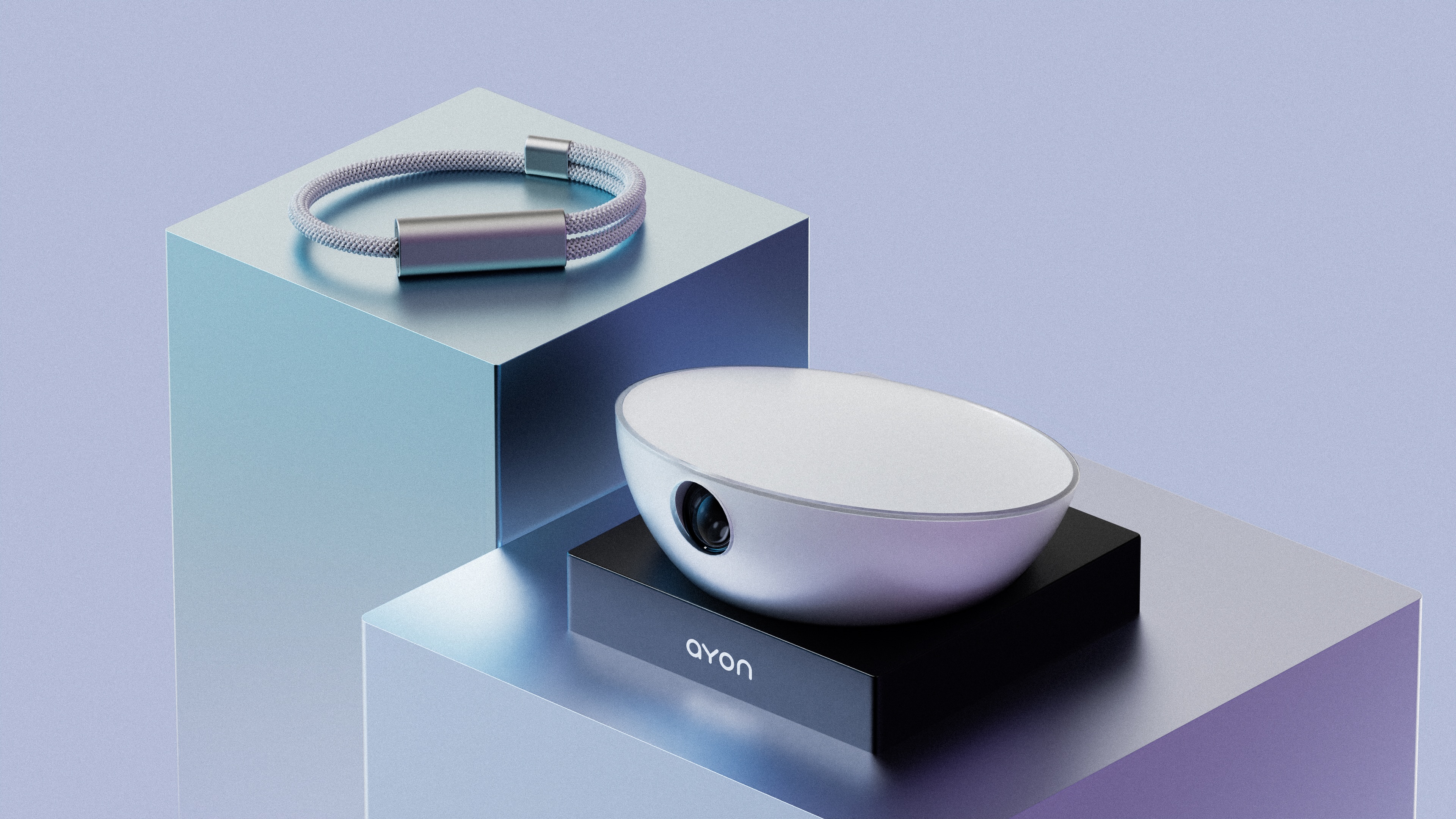
For product-driven companies, we also consider how the identity interacts with the physical product. The relationship between logo, product form, packaging, interface, and marketing can create a more cohesive brand experience than any individual asset can achieve.
What Makes Up a Logo & Graphic Identity?
Logo and graphic identity design establishes the visual foundation through which a brand becomes recognizable.
The logo is one component of that system. A complete identity can also define typography, color, graphic devices, iconography, illustration, photography, layout principles, and other visual behaviors.
The goal is to create a system that can adapt to different applications while maintaining a recognizable character. A logo needs to work on a website header, but it may also need to work on a product, package, mobile interface, presentation, or small digital icon.
Why a Strong Visual Identity Matters
A visual identity has to perform across many contexts. A system that looks compelling in a presentation may become difficult to use when it is reduced, animated, printed, manufactured, or placed alongside other information.
Designing the identity as a connected system helps solve those challenges early. It also gives internal teams and external partners a clearer foundation for future brand communication.
Whipsaw's Approach
Whipsaw develops logo and graphic identity systems through exploration, iteration, and application. Visual decisions are considered alongside the company's positioning, product experience, audience, and broader brand language.
This product-aware approach is particularly useful for companies where the physical or digital product is an important part of the brand itself.
For brands like


FAQ
What is logo and graphic identity design?
Logo and graphic identity design creates the visual system used to identify and communicate a brand, including the logo and supporting elements such as typography, color, graphics, imagery, and iconography.
Is a logo the same as a brand identity?
No. A logo is one element of a brand identity. A complete identity defines how the brand looks and behaves across different applications.
When should a company redesign its logo?
A redesign can make sense when a company is repositioning, entering a new market, launching a substantially different product portfolio, or working with an identity that no longer performs effectively across current applications.
How does Whipsaw develop a logo?
Whipsaw explores multiple visual directions based on the brand strategy, evaluates them across relevant applications, and refines the strongest direction into a broader identity system.
Can logo design be connected to product design?
Yes. For product companies, Whipsaw can consider the relationship between the logo, product form, CMF, packaging, interface, and broader visual language.
What does a graphic identity system include?
Depending on the project, it can include logo design, typography, color, graphic elements, iconography, imagery direction, illustration, layout principles, and application guidance.
Next Service
Speculative Design & Brand Futures
Speculative design and brand futures is the practice of envisioning where a brand could go, using future-state concepts to provoke strategic conversation today. Through trend forecasting, scenario development, and speculative concept artifacts, we help leadership teams think past incremental change and explore what the brand could be in three, five, or ten years. These futures aren't predictions. They're tools for making sharper decisions in the present.


