

3D Product Visualization & Marketing Assets
Creating high-fidelity product visuals and marketing assets before, during, and beyond physical production.

How We Work
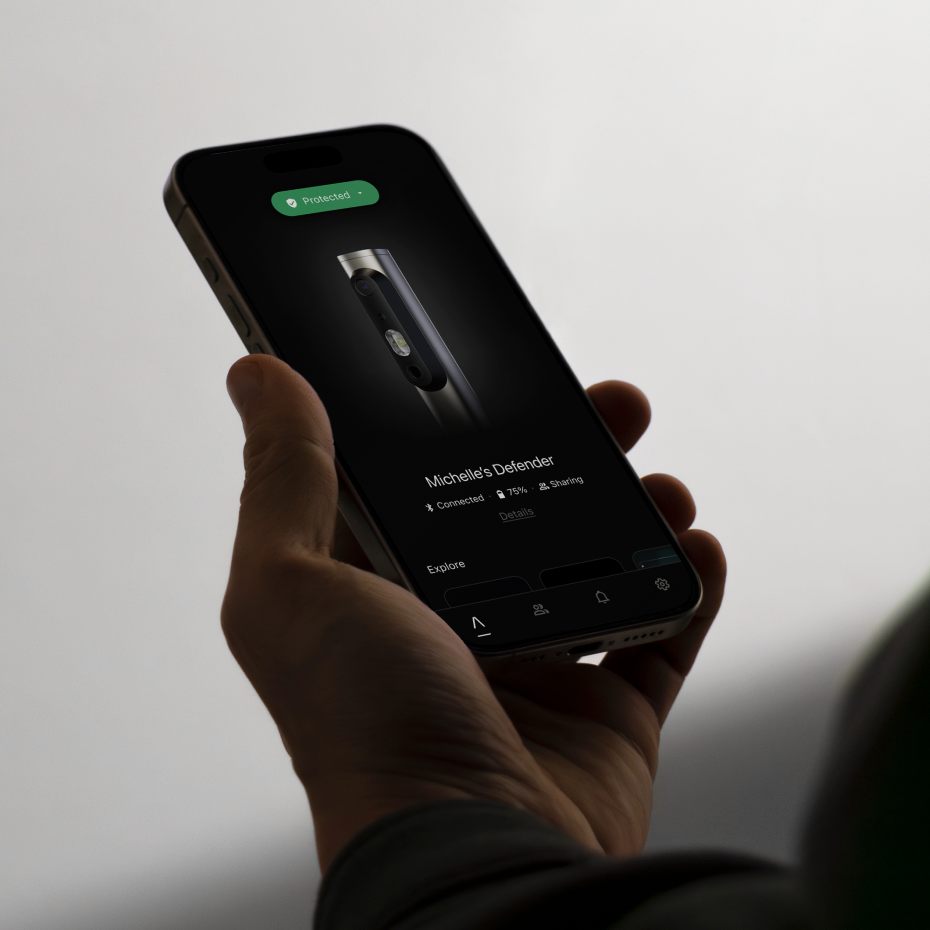
3D visualization allows product teams to communicate a product before every physical marketing asset is available. We create digital models, photorealistic renders, animations, exploded views, and other visual assets that can be adapted across launch channels.
The work can support websites, presentations, advertising, crowdfunding, retail, social content, and product education.
What is 3D Product Visualization?
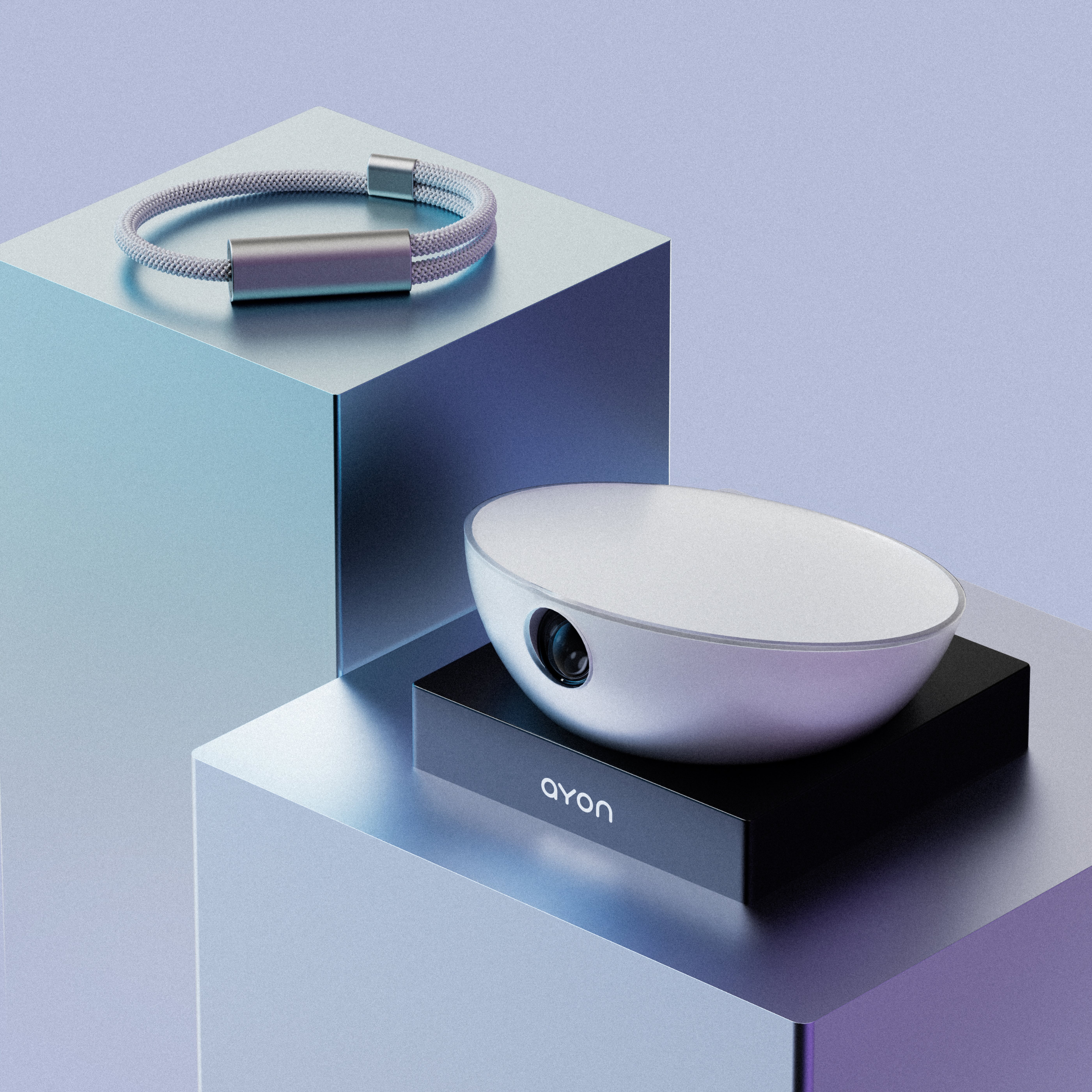
3D product visualization uses digital models and rendering to create realistic images, animations, and demonstrations of a product.
It can communicate the finished exterior, internal components, materials, finishes, configurations, or product interactions. Because the assets are digitally constructed, they can also show views or sequences that would be difficult to capture through conventional photography.
Why Use 3D Product Visualization?
Physical products often need marketing assets before production photography is available. A product may still be moving through engineering, tooling, manufacturing, or supply-chain stages while the marketing team needs visuals.
3D visualization can bridge that gap and create a consistent visual library that can be reused across multiple launch applications.
Whipsaw's Expertise
Whipsaw creates product renders, animations, exploded views, cinematic visuals, and other marketing assets as part of product and launch engagements.
Because the visualization work can be informed by the actual product design, the resulting assets can communicate both product details and brand character.
For brands like


FAQ
What is 3D product visualization?
3D product visualization creates digital representations of products that can be rendered as still images, animations, demonstrations, or other marketing assets.
Why use 3D renders instead of product photography?
3D renders can be created before final production photography and can show product configurations, internal components, or viewpoints that may be difficult to photograph.
Can 3D visualization be used before a product is manufactured?
Yes. Digital visualization can communicate a product while it is still being developed or prepared for manufacturing.
What marketing assets can be created with 3D?
Assets can include photorealistic renders, animations, exploded views, product demonstrations, campaign visuals, website imagery, and presentation graphics.
Can 3D assets be used across multiple marketing channels?
A well-planned asset library can support websites, advertising, social content, presentations, crowdfunding, retail, and other communications.
Does Whipsaw create both the product and its 3D visuals?
Depending on the engagement, Whipsaw can connect product design with visualization so the marketing assets accurately reflect the product being developed.
Next Service
Go-to-Market & Launch Strategy
Go-to-market and launch strategy is the plan for how a product enters its market and wins it, the positioning, messaging, channels, and timeline that carry it from announcement to first customer. We develop the positioning and messaging, define the launch narrative, sequence the moments that build toward it, and pressure-test the plan against competitive launches. Pre-order push, retail debut, or direct-to-consumer launch, this is the strategy every other piece points back to.


