Experience Innovation

How We Work
We help companies define what to build next — and why it matters.

Our experience innovation practice uses design thinking and human-centered design to turn ambiguity into validated product opportunities through research, systems thinking, and rapid concept development.

Our process connects consumer insights, competitive intelligence, emerging technology, and strategic foresight into a clear new product development roadmap your team can act on with confidence.
Systems Thinking & Service Design
We map the full ecosystem around your product or service — users, stakeholders, technology, business model, channels, and competitive context — to understand how the pieces connect before deciding where to intervene. Service blueprinting reveals gaps and friction across every touchpoint, ensuring that physical, digital, and human interactions work together as a cohesive experience.
Competitive Benchmarking & Market Analysis
We audit competitive and adjacent categories to identify best practices, white space, and emerging signals. Our market analysis includes landscape mapping, social listening, and trend identification — giving your team a clear picture of where the market is today and where it's heading, so innovation efforts are grounded in real opportunity.
User Research, Ethnography & Voice of the Customer
We uncover what surveys and analytics miss. Our qualitative research methods include in-depth user interviews, contextual inquiry, observational field studies, Jobs-to-be-Done analysis, preference mapping, and behavioral ethnography. This voice-of-the-customer research reveals unmet needs, workarounds, and motivations that become the foundation for meaningful innovation.
Innovation Workshops, Design Sprints & Co-Creation
We bring your users and stakeholders into the design process through structured workshops, design sprints, and participatory co-creation sessions. From half-day sprints to multi-week innovation programs, we generate concepts grounded in real needs — building alignment and buy-in while ideas are still taking shape.
Design Opportunity Definition & Prioritization
We translate research into prioritized innovation territories. Through opportunity mapping, impact-feasibility scoring, and design principle development, we define where to focus — giving your team a clear framework for deciding which ideas to pursue, which to shelve, and which to explore further.
Concept Ideation, Development & Validation
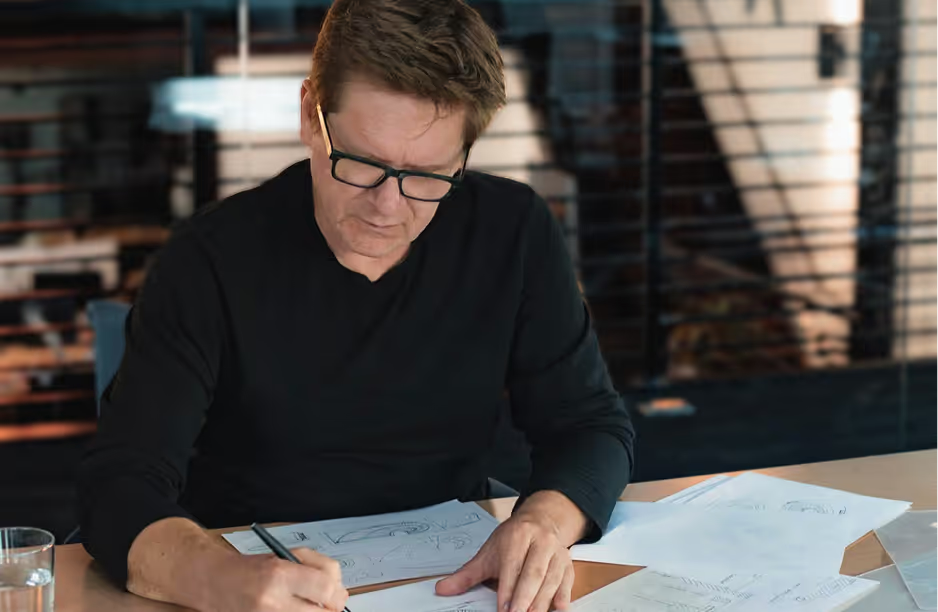
We generate and develop new product concepts rapidly — through sketching, storyboarding, 3D CAD, and early-stage rendering. Concepts range from near-term improvements to visionary future-state products. We validate promising directions through concept testing with target users, ensuring that what moves forward has evidence behind it — whether it's an early NPD concept or a minimum viable product direction.
Emerging Technology Discovery & Integration
We scan the technology landscape to identify capabilities that could transform your product experience. From sensors and AI to new materials, spatial computing, and advanced manufacturing methods, we evaluate emerging technologies for feasibility, user impact, and competitive advantage — connecting what's newly possible to what your customers actually need.
Physical UX Innovation & Prototyping
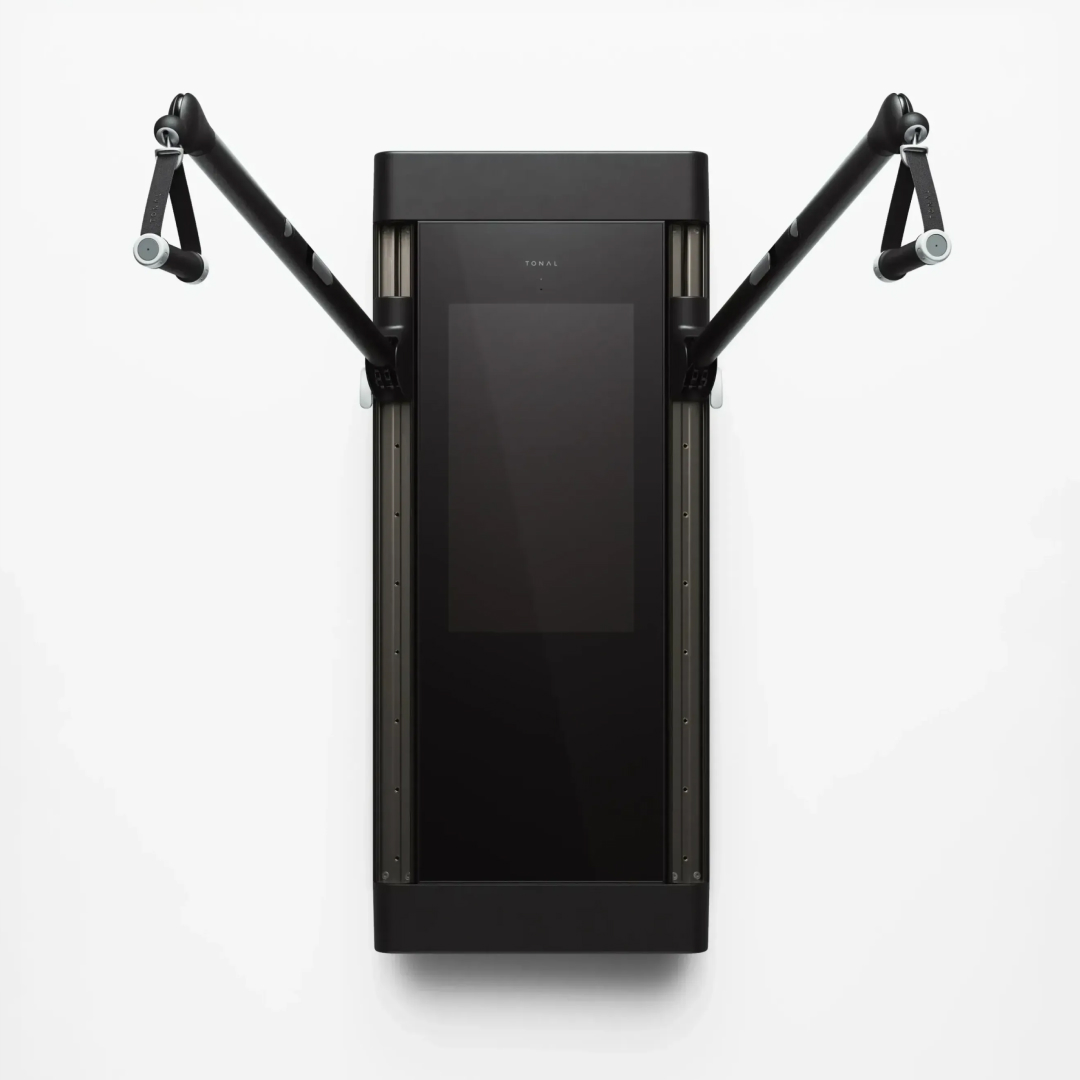
We reimagine how people physically interact with products and environments — exploring new form factors, interaction mechanisms, spatial configurations, and sensory feedback. We prototype and test novel physical experiences using 3D printing, functional rigs, and appearance models, differentiating your product in ways digital alone cannot achieve.
Strategic Foresight, Trend Forecasting & Speculative Design
We use strategic foresight and speculative design to envision possible futures and provoke strategic conversation. Through trend forecasting, scenario development, and future-state concept artifacts, we help leadership teams think beyond incremental improvement — exploring what could exist in three, five, or ten years to inform the decisions they make today.
Product & Innovation Roadmapping
We help you sequence innovation over time. Our roadmapping work structures a phased plan from near-term product improvements through long-term platform bets — aligning stakeholders around priorities, timelines, investment decisions, and go-to-market sequencing. The result is a roadmap that connects today's business to tomorrow's product vision.
Innovation Strategy & Portfolio Planning
We help leadership teams define an innovation strategy that connects product vision to business objectives. This includes portfolio planning across core, adjacent, and transformational initiatives — balancing risk, resource allocation, and market timing so your innovation investment is deliberate rather than scattered.
We map the full ecosystem around your product or service — users, stakeholders, technology, business model, channels, and competitive context — to understand how the pieces connect before deciding where to intervene. Service blueprinting reveals gaps and friction across every touchpoint, ensuring that physical, digital, and human interactions work together as a cohesive experience.
We audit competitive and adjacent categories to identify best practices, white space, and emerging signals. Our market analysis includes landscape mapping, social listening, and trend identification — giving your team a clear picture of where the market is today and where it's heading, so innovation efforts are grounded in real opportunity.
We uncover what surveys and analytics miss. Our qualitative research methods include in-depth user interviews, contextual inquiry, observational field studies, Jobs-to-be-Done analysis, preference mapping, and behavioral ethnography. This voice-of-the-customer research reveals unmet needs, workarounds, and motivations that become the foundation for meaningful innovation.
We bring your users and stakeholders into the design process through structured workshops, design sprints, and participatory co-creation sessions. From half-day sprints to multi-week innovation programs, we generate concepts grounded in real needs — building alignment and buy-in while ideas are still taking shape.
We translate research into prioritized innovation territories. Through opportunity mapping, impact-feasibility scoring, and design principle development, we define where to focus — giving your team a clear framework for deciding which ideas to pursue, which to shelve, and which to explore further.
We generate and develop new product concepts rapidly — through sketching, storyboarding, 3D CAD, and early-stage rendering. Concepts range from near-term improvements to visionary future-state products. We validate promising directions through concept testing with target users, ensuring that what moves forward has evidence behind it — whether it's an early NPD concept or a minimum viable product direction.
We scan the technology landscape to identify capabilities that could transform your product experience. From sensors and AI to new materials, spatial computing, and advanced manufacturing methods, we evaluate emerging technologies for feasibility, user impact, and competitive advantage — connecting what's newly possible to what your customers actually need.
We reimagine how people physically interact with products and environments — exploring new form factors, interaction mechanisms, spatial configurations, and sensory feedback. We prototype and test novel physical experiences using 3D printing, functional rigs, and appearance models, differentiating your product in ways digital alone cannot achieve.
We use strategic foresight and speculative design to envision possible futures and provoke strategic conversation. Through trend forecasting, scenario development, and future-state concept artifacts, we help leadership teams think beyond incremental improvement — exploring what could exist in three, five, or ten years to inform the decisions they make today.
We help you sequence innovation over time. Our roadmapping work structures a phased plan from near-term product improvements through long-term platform bets — aligning stakeholders around priorities, timelines, investment decisions, and go-to-market sequencing. The result is a roadmap that connects today's business to tomorrow's product vision.
We help leadership teams define an innovation strategy that connects product vision to business objectives. This includes portfolio planning across core, adjacent, and transformational initiatives — balancing risk, resource allocation, and market timing so your innovation investment is deliberate rather than scattered.

Throughout my career leading consumer electronics teams, I’ve consistently turned to Whipsaw for design support on complex challenges. They’ve repeatedly delivered innovative, award-winning solutions.

-
Chris Wheaton
Product Engineeering Manager @Meta

“Vision without execution is imagination. Execution without vision is noise. Experience Innovation bridges both—turning bold thinking into meaningful, market-ready experiences.”

- Laura Ogle, Lead Design Strategist

FAQ

What is Experience Innovation?

Experience Innovation is the practice of designing products, services, and systems that deliver seamless, meaningful experiences across every touchpoint — physical, digital, and brand. It goes beyond making something functional or attractive; it ensures every interaction feels intentional, cohesive, and valuable for the end user.

How is Experience Innovation different from design thinking or product design?

Design thinking is a problem-solving framework, and product design focuses on creating a specific item. Experience Innovation integrates strategy, industrial design, UX/UI, and brand into a single, end-to-end process — turning insights into market-ready solutions that connect with customers on functional, emotional, and brand levels.

Why is Experience Innovation important for businesses today?

In crowded markets, products compete not only on features and price, but on the overall experience they provide. Experience Innovation helps companies differentiate, build brand loyalty, and stay relevant by creating offerings that resonate deeply with customers and adapt to changing needs.

How does Whipsaw combine physical, digital, and brand design in Experience Innovation?

We design these elements in parallel — not in silos. This means your physical product, digital interface, and brand story are developed together, ensuring consistency in function, feel, and messaging. The result is a cohesive experience that delights customers and strengthens brand equity.

What are the steps in an Experience Innovation project?

While every project is unique, our process typically includes:

1. Research & Insights – Understanding users, markets, and competitive landscapes.

2. Strategy Definition – Aligning on opportunity areas and success criteria.

3. Experience Design – Creating integrated concepts across physical, digital, and brand touchpoints.

4. Refinement & Validation – Testing and iterating with stakeholders and users.

5. Execution & Delivery – Finalizing designs, preparing for manufacturing or launch, and ensuring readiness for market.

How does Whipsaw ensure Experience Innovation outcomes are market-ready?

We design with manufacturability, technical feasibility, and market fit in mind from day one. Prototyping, user testing, and technical strategy run in parallel to creative development, so there are no surprises at the end of the process.

How long does an Experience Innovation project take, and how much does it cost?

Projects range from 8–12 weeks for focused sprints to several months for multi-phase programs. Costs vary by scope and deliverables; we create custom proposals to match your goals, ensuring the investment delivers lasting value.