Industrial Design

How We Work
We help clients explore, refine, and visualize new product ideas, moving quickly from abstract thinking to tangible, aligned concepts.

Our process balances creative exploration with practical industrial design engineering, ensuring every idea is anchored in purpose and potential.
Product Design Ideation & Refinement
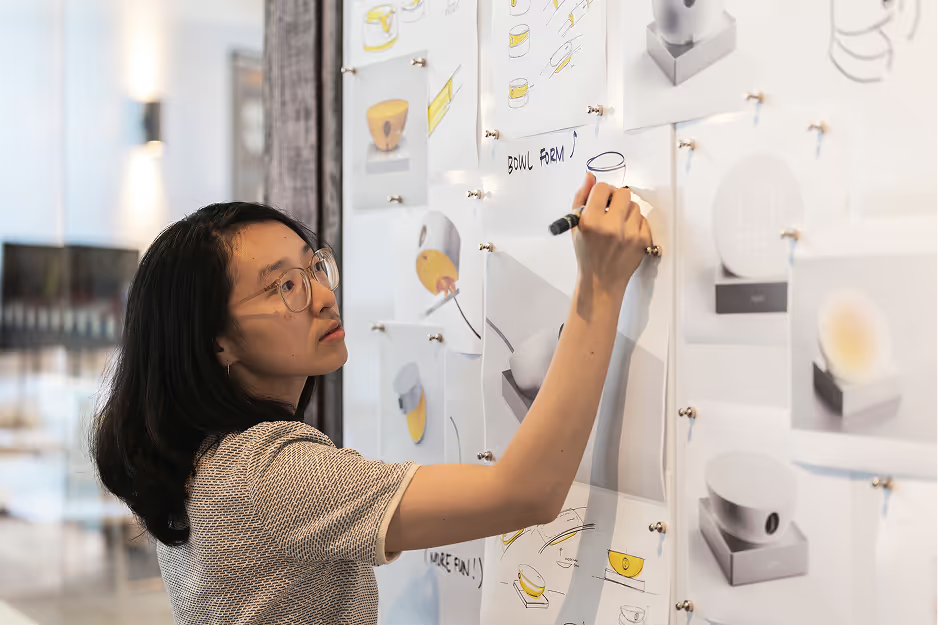
We generate a wide range of concepts through sketching, 3D CAD, and rapid rendering — then refine through component architecture analysis and stakeholder alignment. The goal is to move from abstract opportunity to a compelling product direction that balances form, usability, brand expression, and technical feasibility.
Human Factors & Ergonomics
We design products around the people who use them. Our human factors work includes in-house usability testing with full-scale models, anthropometric analysis, grip and reach studies, and accessibility evaluations. From handheld medical devices to commercial robotics, we integrate ergonomic thinking from day one.
Model-Making & Prototyping
Physical prototypes reveal what screens can't. We build models at every stage — from rough foam studies and 3D-printed concepts to high-fidelity appearance prototypes that look and feel like production parts. Capabilities include FDM, SLA, SLS printing, CNC machining, and painted appearance models for user testing and stakeholder reviews.
Color, Materials, Finish & Detail Specification
We explore and specify colors, materials, and finishes — from soft-touch coatings and anodized metals to textured polymers and sustainable bio-materials — to create a sensory experience that reinforces brand identity. Our CMF specs include material callouts, texture references, Pantone and RAL standards, and finish tolerances, documented for manufacturing partners.
Design Engineering
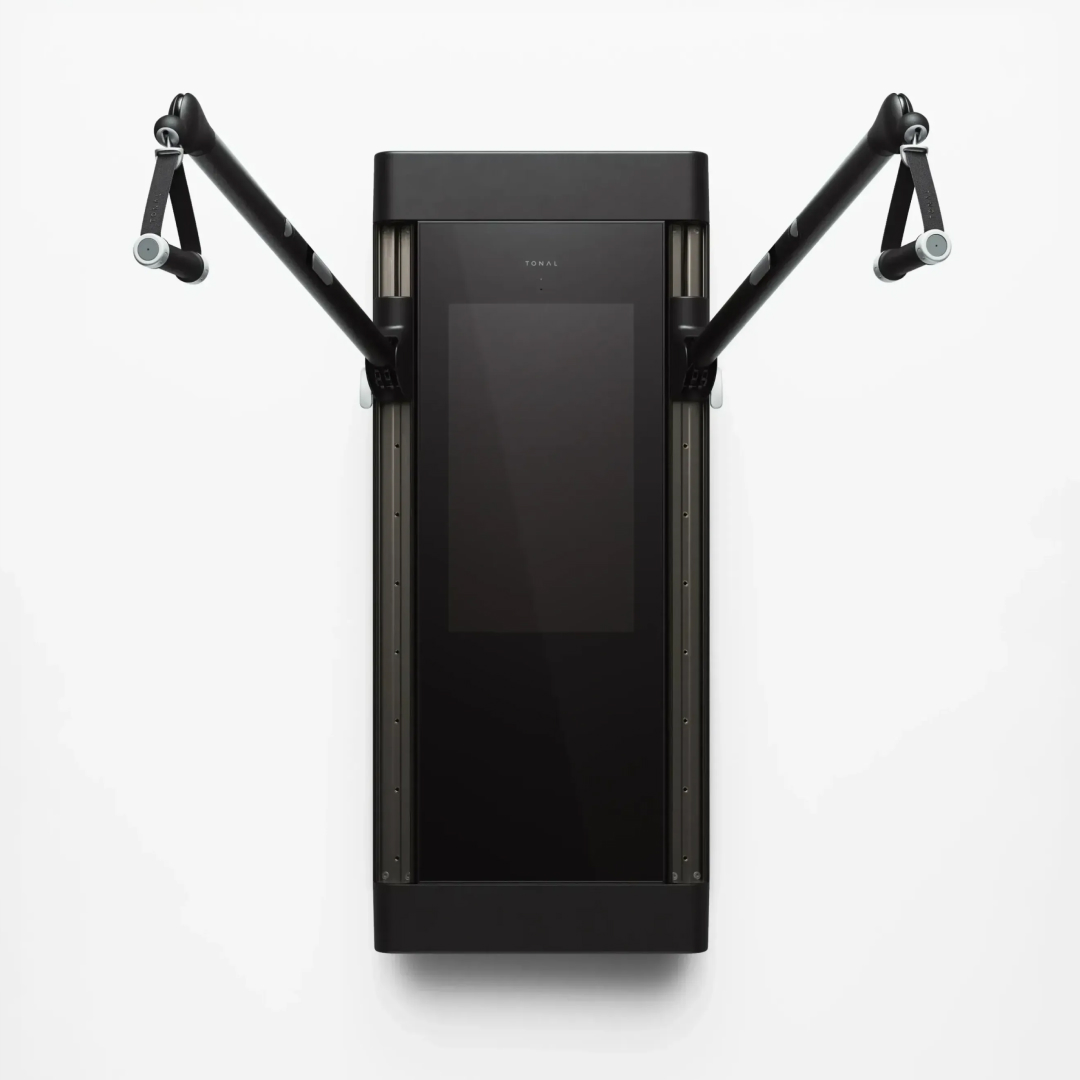
Our design engineering team bridges industrial design intent and manufacturing reality. We develop detailed 3D CAD surface models, define component architecture, and collaborate with mechanical and electrical engineering teams through DFM optimization, EVT/DVT review, and production tooling guidance.
Physical UX Design, Engineering & Prototyping
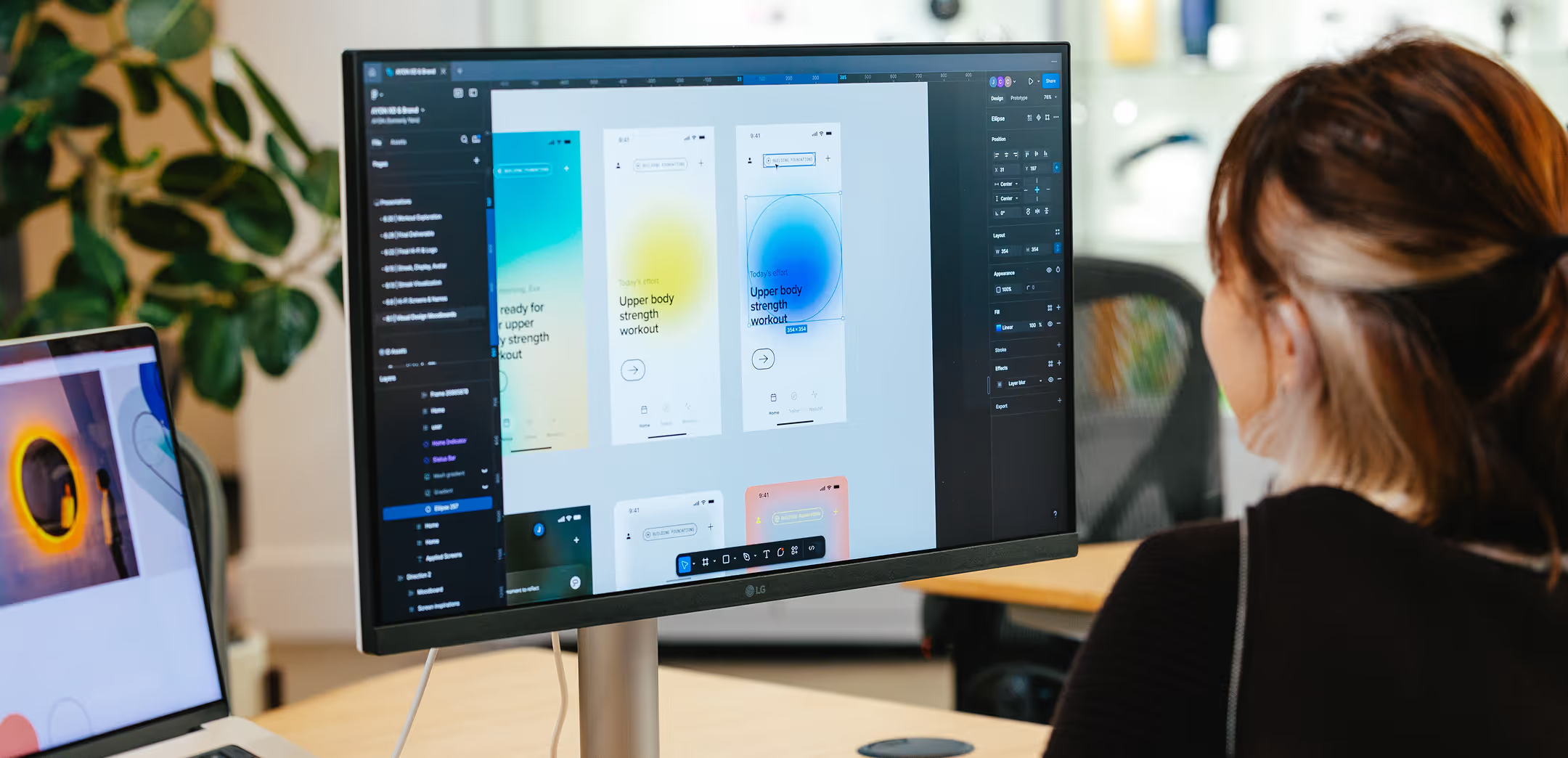
How a button clicks, how a lid opens, how a light communicates status — the physical experience matters as much as form. We design and prototype hardware interaction states including buttons, switches, lights, and haptic feedback, iterating hands-on until the interaction is right.
User Testing
We test with real people throughout the process, not just at the end. Methods include in-house ergonomic evaluations, remote and in-person usability sessions, A/B preference testing across concepts, and observational studies in real-use environments. The result is a product shaped by evidence, not assumption.
Sustainable Design
We help clients make material and manufacturing choices that reduce environmental impact without compromising quality. This includes specifying recycled and bio-based materials, designing for disassembly and recyclability, minimizing material waste, and evaluating regional sourcing and low-emission manufacturing processes.
Packaging Design
Packaging is the first physical touchpoint with your customer. We design from the inside out — structural exploration, unboxing experience mapping, brand integration, graphic design, and materials specification. Our work includes 3D modeling, physical prototyping, dieline development, sustainability analysis, and vendor coordination through production.
We generate a wide range of concepts through sketching, 3D CAD, and rapid rendering — then refine through component architecture analysis and stakeholder alignment. The goal is to move from abstract opportunity to a compelling product direction that balances form, usability, brand expression, and technical feasibility.
We design products around the people who use them. Our human factors work includes in-house usability testing with full-scale models, anthropometric analysis, grip and reach studies, and accessibility evaluations. From handheld medical devices to commercial robotics, we integrate ergonomic thinking from day one.
Physical prototypes reveal what screens can't. We build models at every stage — from rough foam studies and 3D-printed concepts to high-fidelity appearance prototypes that look and feel like production parts. Capabilities include FDM, SLA, SLS printing, CNC machining, and painted appearance models for user testing and stakeholder reviews.
We explore and specify colors, materials, and finishes — from soft-touch coatings and anodized metals to textured polymers and sustainable bio-materials — to create a sensory experience that reinforces brand identity. Our CMF specs include material callouts, texture references, Pantone and RAL standards, and finish tolerances, documented for manufacturing partners.
Our design engineering team bridges industrial design intent and manufacturing reality. We develop detailed 3D CAD surface models, define component architecture, and collaborate with mechanical and electrical engineering teams through DFM optimization, EVT/DVT review, and production tooling guidance.
How a button clicks, how a lid opens, how a light communicates status — the physical experience matters as much as form. We design and prototype hardware interaction states including buttons, switches, lights, and haptic feedback, iterating hands-on until the interaction is right.
We test with real people throughout the process, not just at the end. Methods include in-house ergonomic evaluations, remote and in-person usability sessions, A/B preference testing across concepts, and observational studies in real-use environments. The result is a product shaped by evidence, not assumption.
We help clients make material and manufacturing choices that reduce environmental impact without compromising quality. This includes specifying recycled and bio-based materials, designing for disassembly and recyclability, minimizing material waste, and evaluating regional sourcing and low-emission manufacturing processes.
Packaging is the first physical touchpoint with your customer. We design from the inside out — structural exploration, unboxing experience mapping, brand integration, graphic design, and materials specification. Our work includes 3D modeling, physical prototyping, dieline development, sustainability analysis, and vendor coordination through production.

Throughout my career leading consumer electronics teams, I’ve consistently turned to Whipsaw for design support on complex challenges. They’ve repeatedly delivered innovative, award-winning solutions.

-
Chris Wheaton
Product Engineering Manager @ Meta

“Good design begins with purpose. It feels inevitable, like it always belonged here. It has a sense of clarity in the solution, where every detail contributes to the whole.”

Dan Harden, Principal Designer

FAQ

What is Industrial Design, and why is it important?

Industrial Design involves creating and developing concepts for physical products that are both functional and visually appealing. It’s essential because it enhances user experience, boosts product appeal, differentiates your brand, and ultimately drives market success. Great industrial design drives user engagement, and in a world where the most successful products cultivate fandom, it’s more important than ever.

How does the Industrial Design process work?

The process typically includes user and competitive research, analysis, and concept exploration. This is achieved through 2D sketching, 3D modeling, physical prototyping, testing, and refining. Collaboration with clients is key at every stage, ensuring the final product aligns with business goals and user needs. Designers also iteratively test products with users to continuously validate their concepts.

How long does an Industrial Design project usually take?

The timeline can vary based on complexity, typically ranging from 2-4 months, though it is not uncommon to have engagements that span a full year or more. Simple products can be completed relatively fast, while more complex projects involving multiple prototypes and rigorous testing may take longer. The integration of design and engineering is complex, time-consuming, and it’s something we are exceptional at doing, whether the engineering is on the client team, a third party, or in-house at the client. Engineering timelines often affect the overall timeline of Industrial Design.

Can you help with prototyping and manufacturing?

Yes. We manage the prototyping process, whether it’s in-house or with a trusted partner. Prototyping can range from simple 3D printed models to semi-functional appearance models. Our Industrial Design team also collaborates closely with manufacturers to ensure design integrity is maintained and your final product meets quality, performance, and user experience standards.

Do you protect the intellectual property of my design?

Absolutely. Your confidentiality and intellectual property rights are prioritized throughout our collaboration. NDAs (non-disclosure agreements) are always signed, and any design created during the project is entirely yours upon completion, with payment in full. We can advise on patent attorneys and often develop significant IP in the course of our engagements.

What industries do you specialize in?

We work across multiple sectors, including consumer electronics, home appliances, health and wellness, robotics, furniture, networking, mobility, industrial, life sciences, surgical, medical devices, and more. Our versatile approach ensures customized, innovative solutions tailored to your specific industry needs, and the depth of our experience ensures that solutions are truly innovative - often inspired by sparks outside our clients’ industries.

How much does an Industrial Design service cost?

Cost depends on project scope, complexity, and timeline. We provide transparent pricing after discussing your project goals and requirements, clearly outlining each phase to ensure clarity, affordability, and value. We understand the capital constraints and fundraising cycles of early-stage startups and the complexity of contracting with enterprises of all sizes. Our clear aim is to partner with our clients to find the right path forward.