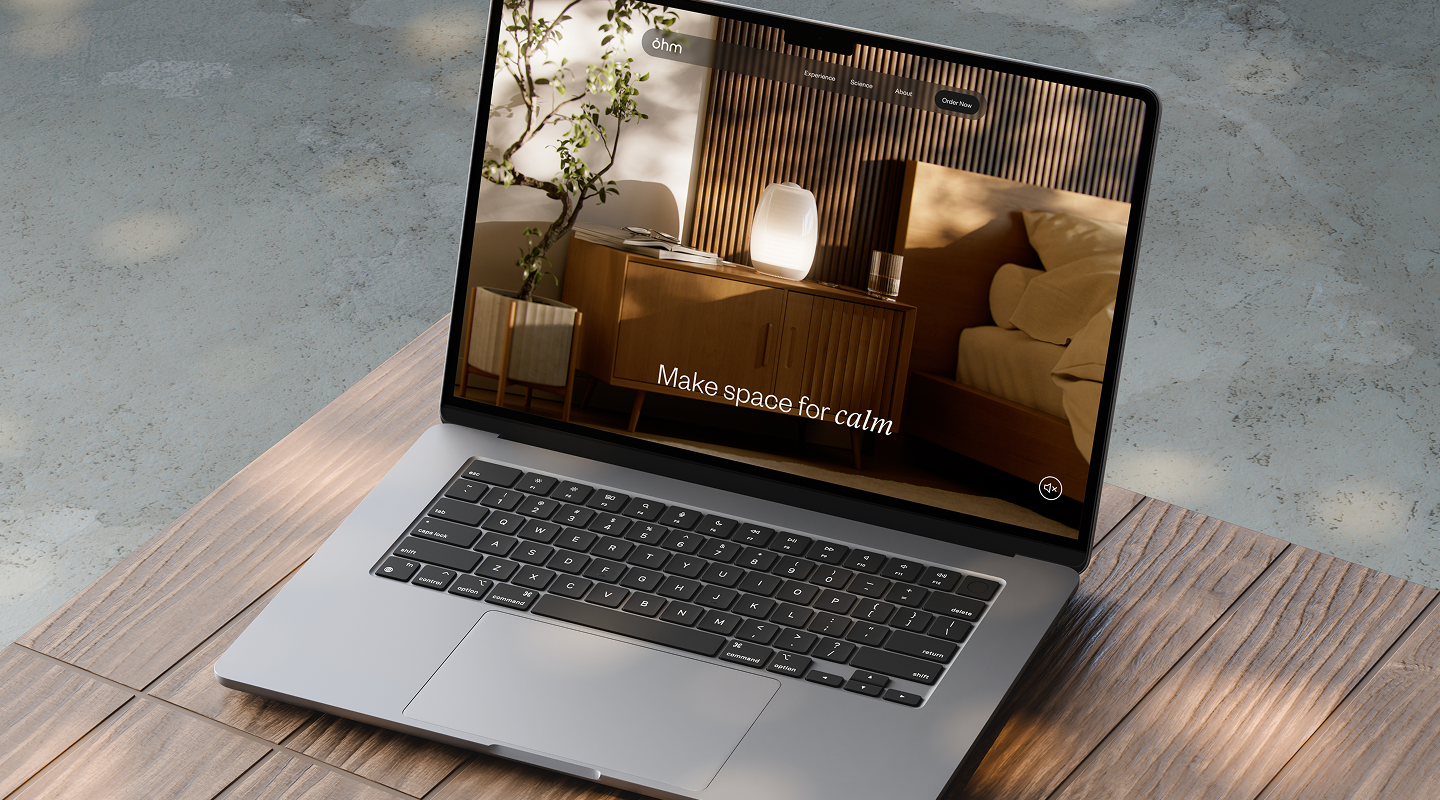
Digital strategy and roadmapping is the early work of deciding what to build and in what order, before any screens get designed. We use strategic foresight, market analysis, and competitive review to set a clear direction, then turn it into a roadmap that sequences features and releases against real priorities. The point is to head into design and development knowing why each piece matters, not figuring it out mid-build.
User research and usability testing is the practice of grounding digital decisions in real user behavior, throughout the process rather than just at the end. We run user research and market analysis up front, then validate with usability sessions, A/B preference testing, and analytics review as the product takes shape. Decisions get made on what people actually do, not on what the team assumes they'll do.
Journey mapping is the practice of charting how people actually move through a product, identifying pain points, decision moments, and opportunities across every touchpoint. It aligns your team around a shared understanding of the experience before a single screen is designed. We map real behavior, not the idealized path, so UX decisions downstream are grounded in how people use a product rather than how we wish they would.
Product architecture and technical discovery is the early technical work that makes sure what gets designed can actually be built at scale. We evaluate technology stacks, define system architecture, map API and data requirements, and assess build-versus-buy decisions. Doing this early reduces development risk and keeps design ambition aligned with engineering reality, instead of discovering the gap halfway through a build.
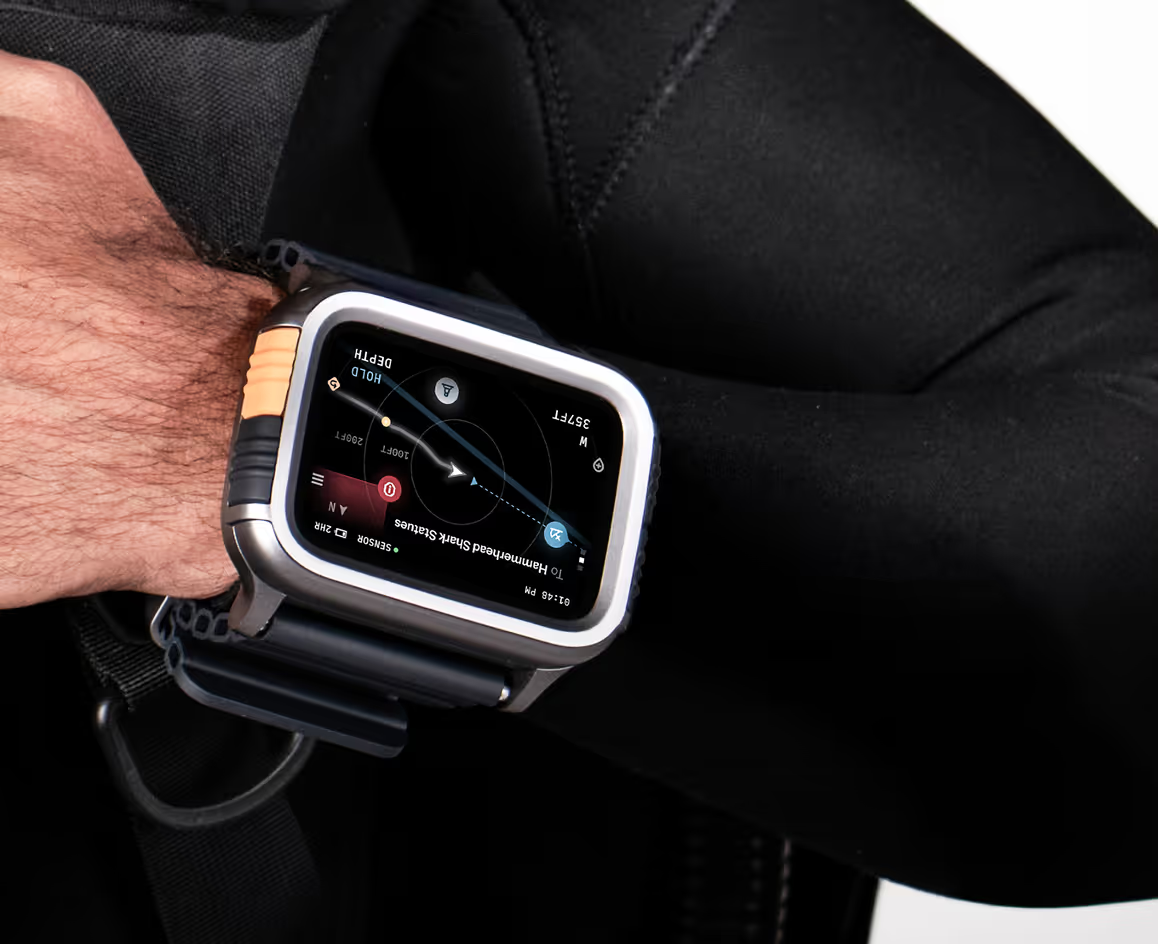
Human-machine interaction design is the design of how people communicate with hardware, robots, vehicles, and other physical systems through digital interfaces. We design the controls, displays, and feedback that sit between a person and a machine, making complex systems readable and safe to operate. This is interaction design for products where the screen is one part of a larger physical thing, and clarity isn't a nicety, it's the whole job.
Human-AI interaction design is the design of how people work with agents, copilots, and other AI systems, with a focus on trust, clarity, and control. We design interfaces that make an AI's behavior legible: showing what it's doing, how confident it is, where its limits are, and how a person stays in control. As AI moves into more products, the design challenge shifts from raw capability to trust calibration and explainability. We design for the moments where a person decides whether to rely on the system or not.
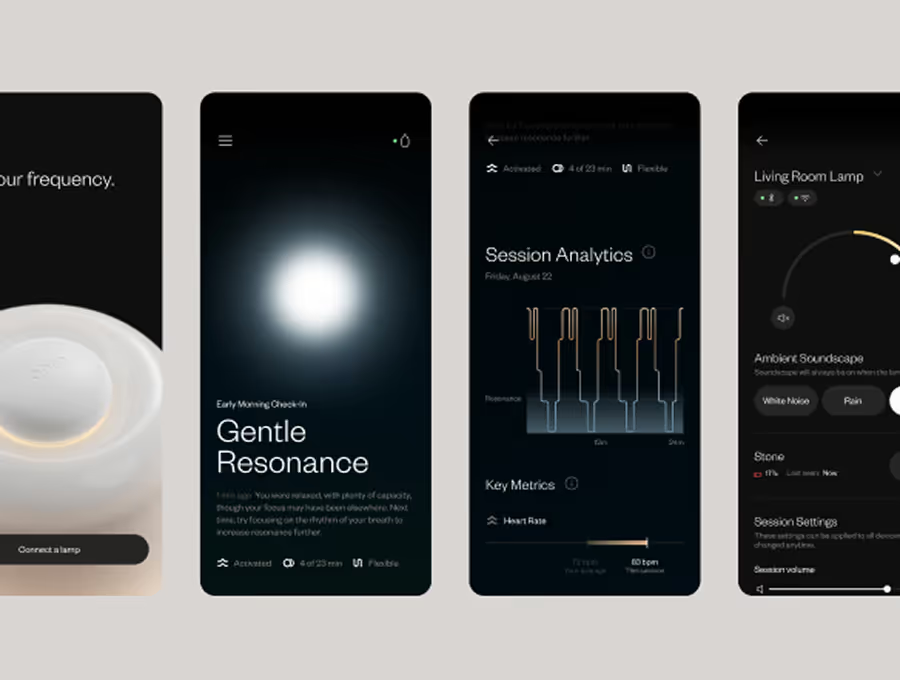
Connected product experience design is the design of digital experiences that span hardware, app, and cloud, so a connected product feels like one thing instead of several. We design across the full ecosystem: the on-device interface, the companion app, and the way they stay in sync. The work is making multi-device products feel coherent, so setup, control, and everyday use feel seamless no matter which screen a person is looking at.
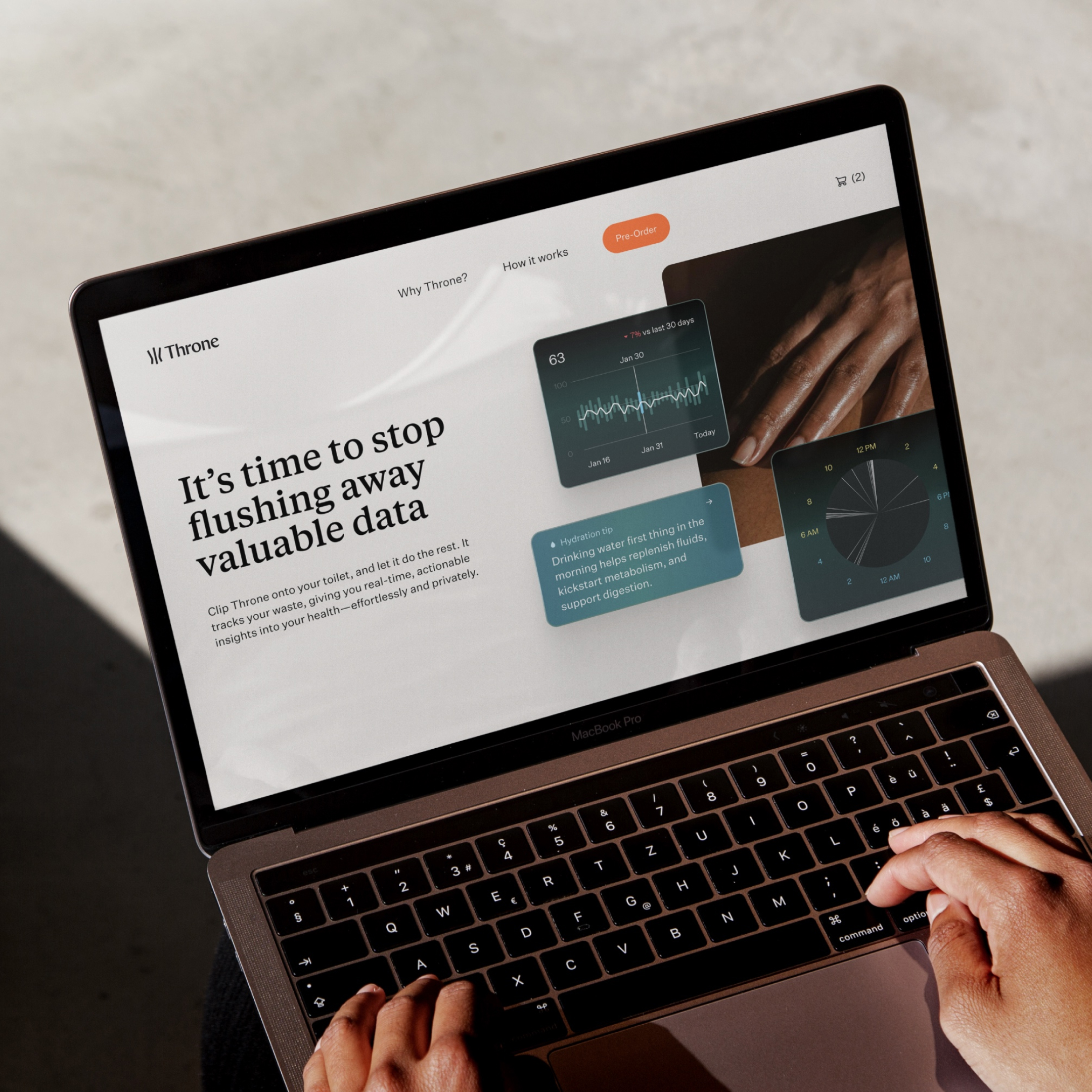
Sensor and data experience design is the work of turning raw sensor and system data into interfaces people can actually read and act on. We design the dashboards, visualizations, and data interfaces that make streams of information useful, deciding what to surface, what to hide, and how to make the meaningful signal obvious. Data is only valuable when someone can understand it and do something with it. That translation is the design problem.
Dynamic design systems are scalable component libraries and standards that keep a product visually and behaviorally consistent across web, mobile, and emerging platforms. We build reusable UI components, design tokens, interaction patterns, and documentation, increasingly built to work across multiple modes and platforms. A good system lets a development team build faster while design quality holds steady as the product grows.
Prototyping and data-driven testing is the practice of building interactive prototypes to validate ideas before committing them to development. We build from low-fidelity click-throughs to high-fidelity working prototypes, then test usability, flow, and comprehension with real users. It tells us what works, what breaks, and what to refine before a single line of production code gets written, when changes are still cheap.
Platform development and optimization covers both building digital products and improving the performance of ones already in market. On the development side, our work is tightly integrated with the UX/UI process for clean implementation and a smooth handoff to a live product. On the optimization side, we run UX audits, analytics review, and usability testing to find friction and conversion barriers, then make targeted improvements that move engagement, retention, and business outcomes.






.png)


.avif)
.jpg)