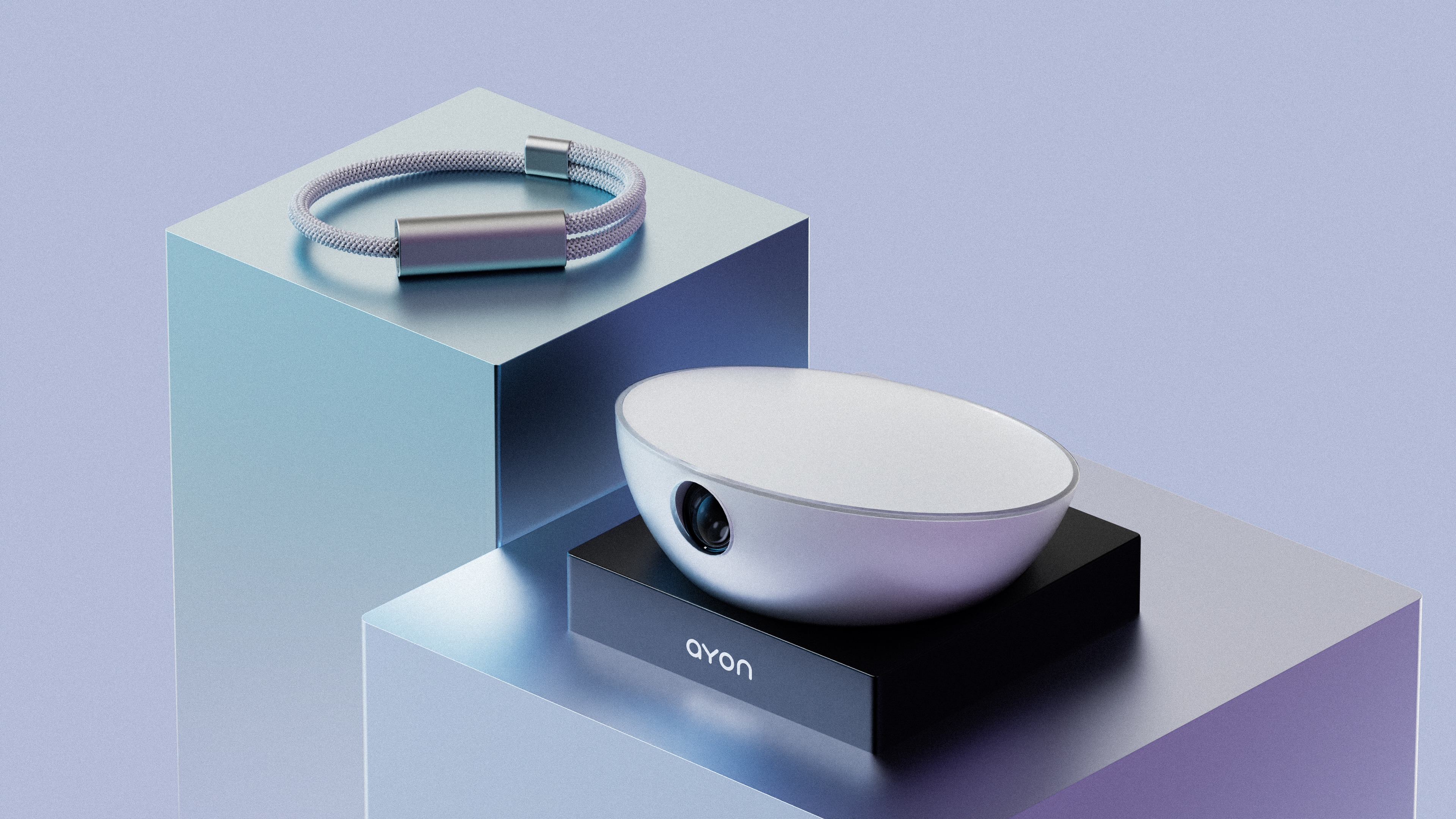


Industrial design is a discipline focused on understanding a problem, defining an opportunity and a lot more.
Industrial design shapes many of the physical products people use every day. From medical devices and consumer electronics to furniture, transportation, tools, and industrial equipment, industrial design sits at the point where human needs, technology, manufacturing, and business goals meet.
But industrial design is more than making a product look better.
It is a discipline focused on understanding a problem, defining an opportunity, developing physical solutions, and refining those solutions until they work for people, make sense for the business, and can be produced in the real world.
The Industrial Designers Society of America describes industrial design as the professional practice of designing products, devices, objects, and services, with designers typically considering appearance, functionality, manufacturability, and the broader value and experience a product creates.
For companies developing a physical product, industrial design can influence far more than form. It can shape how a product is understood, how it is used, how it is manufactured, how it is differentiated, and ultimately whether people choose it.
An industrial design project can involve researching users, defining product requirements, exploring concepts, sketching, 3D modeling, prototyping, selecting materials and finishes, developing physical interfaces, and working with engineering and manufacturing teams to bring the final product into production.
Industrial design is the discipline of designing physical products and systems around human needs, functional requirements, technical constraints, manufacturing realities, and business objectives.
The defining characteristic is not simply that an industrial designer creates something physical. It is that the designer has to balance multiple constraints at the same time.
A product has to perform its intended function. It needs to be understandable and comfortable to use. Its physical form needs to support the interaction. Materials and manufacturing processes need to make sense at the intended scale. And the final result has to create enough value for the business and its customers to justify developing it.
This is what makes industrial design a strategic discipline rather than purely a styling exercise.
An industrial designer turns product requirements and opportunities into physical product concepts that can be evaluated, refined, engineered, and manufactured.
The work can begin with research and observation, move through sketches and concept development, and continue into 3D modeling, rendering, physical prototyping, testing, engineering collaboration, and production refinement.
IDSA identifies skills commonly associated with the profession including drawing and sketching, 3D modeling and rendering, user research, visual storytelling, rapid prototyping and testing, color and materials, basic engineering and fabrication, manufacturing processes, and branding.
In practice, an industrial designer may be responsible for:
The role changes considerably depending on the industry. An industrial designer working on a medical device may spend significant time on ergonomics, human factors, regulatory constraints, and cleaning requirements. Someone working on consumer electronics may focus more heavily on compact integration, interaction, materials, brand expression, and manufacturing scale.
Industrial design and product design overlap significantly, and the terms are sometimes used interchangeably.
Industrial design traditionally focuses on physical products and the way those products are conceived, shaped, engineered, manufactured, and experienced. Product design can be broader, particularly in modern technology companies where "product design" may include digital products, software interfaces, services, and connected experiences.
For physical products, the distinction is often less important than the capabilities behind the work.
A strong industrial design process should be able to move from understanding the problem to defining a physical product that works technically, feels right in use, and can be produced. It also increasingly needs to account for the digital layer surrounding connected products.
For example, an industrial product may include a physical device, a mobile application, cloud services, and a digital interface. Designing the enclosure without considering the digital experience can produce an inconsistent product.
Designing the app without understanding the physical interaction can create a similarly fragmented experience. Industrial design therefore increasingly operates as part of a larger product ecosystem.
There is no single industrial design process that every company or project follows. The sequence changes according to the product, level of uncertainty, technical complexity, market, and manufacturing requirements.
However, most industrial design projects move through a series of connected activities.
The process begins by understanding the opportunity rather than immediately drawing solutions.
Design teams investigate users, environments, existing products, competitive offerings, behaviors, technical constraints, and business objectives. The purpose is to identify meaningful problems and opportunities that can guide the design work.
Research may involve interviews, observation, competitive analysis, product audits, market research, contextual inquiry, and hands-on evaluation of existing products.
The output is not simply a collection of research findings. It is a clearer definition of what the product needs to accomplish.
Once the opportunity is understood, the team begins establishing the product strategy and design requirements.
What should the product do?
Who is it for?
How should it behave?
What should it communicate?
What constraints cannot be compromised?
These decisions create a framework for evaluating concepts later in the process.
At this stage, industrial design begins to connect with engineering, product strategy, branding, and business considerations. A strong design direction gives the team enough freedom to explore without losing sight of the product's purpose.
Concept development is where the design space opens up.
Industrial designers explore alternative forms, mechanisms, interactions, proportions, configurations, and visual directions through sketches, diagrams, models, and other methods of rapid ideation.
The objective is not to produce one perfect idea immediately. It is to explore multiple possibilities, understand tradeoffs, and determine which concepts have the strongest combination of desirability, feasibility, and viability.
Promising concepts are developed into more detailed 3D models and visualizations.
Computer-aided design allows designers and engineers to investigate proportions, component integration, ergonomics, assembly, interfaces, and spatial relationships before committing to physical tooling.
High-quality visualization also allows teams to evaluate materials, finishes, color, lighting, and the overall product language.
Prototypes turn assumptions into something people can physically evaluate.
A prototype may be as simple as a foam model used to test size and ergonomics or as advanced as a functional prototype incorporating electronics, mechanisms, and production-representative materials.
Industrial design prototypes can answer questions that are difficult to resolve digitally. Does the product fit naturally in the hand? Is the control easy to find? Does the interaction feel intuitive? Does the product feel stable? Is its physical presence appropriate for the environment?
Testing creates evidence that feeds directly into the next round of design.
Industrial design does not happen independently of engineering.
As the concept develops, designers work with mechanical, electrical, software, manufacturing, and other engineering disciplines to make sure the product can actually be built.
This is where industrial design and engineering become deeply connected. Dimensions, materials, tolerances, component placement, thermal requirements, assembly methods, and structural constraints can all influence the design.
The best results come from collaboration early enough that design and engineering can shape one another rather than resolving conflicts at the end.
The selected direction is progressively refined through additional modeling, prototyping, testing, and engineering review.
Details become more precise. Materials are evaluated. Interfaces are refined. Manufacturing constraints are incorporated. The product is tested against the requirements established at the beginning of the project.
Industrial design is iterative by nature. A change that appears small can reveal a larger insight, which may lead to another design iteration.
A concept is not finished when it looks correct.
Industrial designers work with engineering and manufacturing teams to make sure the product can be produced consistently and economically. This can involve decisions around materials, manufacturing processes, tooling, tolerances, assembly, finishes, packaging, serviceability, and quality.
Design for manufacturing becomes especially important as production volumes increase. A solution that works perfectly for a prototype may be inefficient or expensive to manufacture at scale.
Industrial design can be applied across almost any category of physical product. The discipline changes according to the technical, commercial, and human requirements of each market.
Consumer electronics place strong demands on industrial design because products need to balance compact technology, physical interaction, manufacturing, brand identity, and rapid market cycles.
Industrial design can influence everything from enclosure architecture and controls to materials, interfaces, thermal considerations, and the relationship between the device and its digital ecosystem.
Medical devices introduce additional requirements around ergonomics, safety, cleaning, accessibility, human factors, manufacturing, and regulatory compliance.
The industrial design process has to account for clinical workflows and the different people who may interact with the product, from healthcare professionals to patients and technicians.
Industrial equipment tends to place greater emphasis on durability, usability, serviceability, environmental conditions, safety, and operator workflows.
Here, industrial design can improve not only the physical appearance of the equipment but also how efficiently and safely people interact with complex systems.
Transportation products require designers to consider ergonomics, spatial constraints, materials, safety, interaction, manufacturing, and brand identity at significant scale.
Industrial design may extend across the vehicle itself, interfaces, components, passenger environments, and supporting physical systems.
Furniture and home products demonstrate how industrial design can connect function, ergonomics, manufacturing, materials, and emotional appeal.
Small changes in geometry, material, assembly, or interaction can significantly change the experience of using an everyday object.
Emerging technologies often require industrial designers to make unfamiliar systems understandable and approachable.
Robotics, advanced computing, connected devices, and other new technologies often combine complex technology with physical interaction, creating a need for designers who can translate technical capability into a coherent human experience.
Industrial design services cover the design and development activities involved in creating or improving physical products.
Depending on the industrial design company or design agency, these services can include:
Design research: Understanding users, markets, competitive products, and opportunities.
Product strategy: Defining product direction, requirements, positioning, and design principles.
Industrial design: Developing physical form, interaction, ergonomics, materials, and product language.
Concept development: Exploring multiple solutions and evaluating them against product requirements.
3D modeling and visualization: Developing detailed digital representations of product concepts.
Prototyping: Creating physical models and functional prototypes to evaluate design decisions.
Human factors and ergonomics: Designing products around how people physically and cognitively interact with them.
Color, materials, and finishes: Defining the material and visual qualities that shape the product experience.
Design engineering: Connecting industrial design intent with mechanical and technical requirements.
Design for manufacturing: Refining designs for scalable production, assembly, cost, durability, and quality.
The breadth of these services matters because product development rarely stays neatly inside a single discipline.
Industrial design can affect business performance long before a product reaches a customer.
A better physical experience can make a product easier to understand and use. A distinctive form can strengthen brand recognition. A more efficient architecture can reduce assembly or material costs. Better ergonomics can reduce errors and improve adoption. A thoughtful manufacturing strategy can reduce production risk.
Industrial design can also create differentiation in markets where underlying technology is becoming increasingly similar.
When multiple companies have access to comparable processors, sensors, displays, materials, and manufacturing technologies, the product experience becomes one of the most visible areas in which a company can establish a meaningful difference.
That is why industrial design is increasingly connected to product strategy rather than being treated as a late-stage styling activity.
Industrial product design is the application of industrial design principles to the creation and development of physical products.
The term is often used when companies want to distinguish physical product development from other forms of design, particularly digital product design.
Industrial product design may involve research, concept development, industrial design, mechanical integration, prototyping, testing, materials, manufacturing, and commercialization.
For businesses developing physical products, industrial product design is valuable because it connects the initial idea to the realities of how the product will be experienced and produced.
The objective is not simply to create an attractive object. It is to create a product that works as a complete proposition.
The best way to understand industrial design is often to look at what it produces. The work can range from compact consumer electronics to connected products that combine physical hardware, digital experiences, and new forms of interaction.
At Whipsaw, these projects demonstrate how industrial design can solve very different problems while maintaining the same fundamental focus: making technology useful, understandable, manufacturable, and engaging.
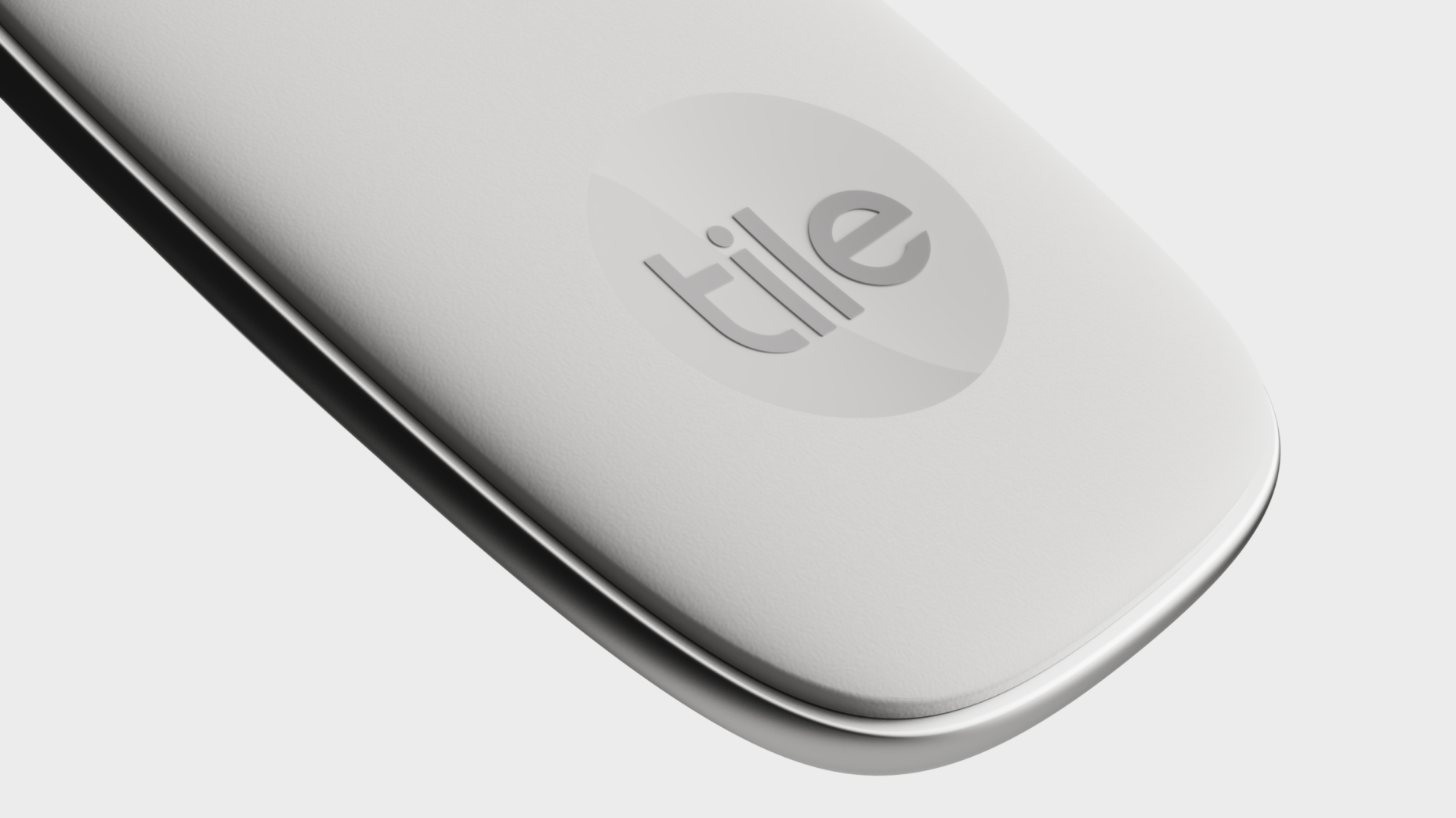
Whipsaw's work on the Tile Pro and Mate Bluetooth trackers shows how industrial design can refine an established product language while improving everyday functionality.

For Tile Pro, Whipsaw developed a solid steel frame that improves impact resistance while creating a more secure and practical attachment experience. The larger, thinner key-ring opening makes the tracker easier to use with standard keys, while the contrast between the steel frame and textured housing balances durability with a more refined appearance.
The project also extended the Tile family with Sticker, a significantly smaller tracker designed to attach directly to objects using adhesive.
The project is a strong example of industrial product design because the physical form is directly connected to functional requirements. Battery life, durability, attachment, portability, dimensions, materials, and the everyday interaction with the product all influence the design.
The Uber Driver Beacon demonstrates how industrial design can transform a relatively simple piece of hardware into a new communication layer between people and a service.
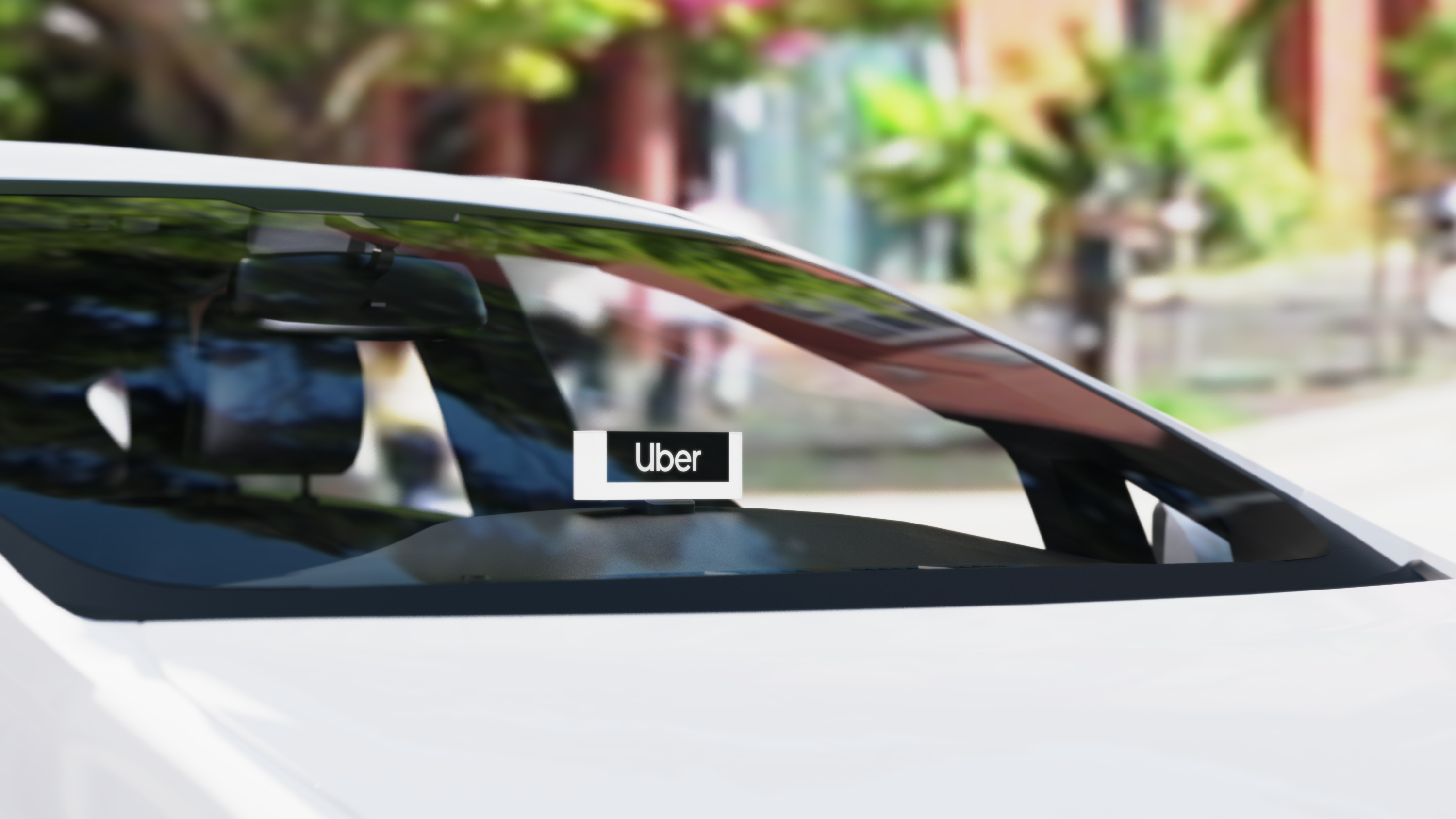
Whipsaw designed Beacon as a dashboard-mounted visual communication device that helps drivers and riders identify each other. Its distinctive U-shaped light makes vehicles easier to recognize, while the color can be controlled through the Uber app.
A rear-facing LED matrix communicates information such as safety reminders directly to riders. The device also incorporates a magnetic quick-release mount and internal sensors that improve pickup and drop-off location accuracy.
IonQ Forte Enterprise presented a very different challenge: creating a physical experience for quantum computing.
Whipsaw developed an industrial design language for the system that had to communicate advanced technology while remaining practical for installation and operation in data center environments.
The result combines a modular physical architecture with a visual language designed to make an extremely complex technology feel more approachable.

This is a useful example of industrial design operating at the intersection of technology, engineering, physical environment, and user perception.
What makes the project particularly relevant to industrial design is the way the physical product connects form, interaction, technology, and user experience. The object is not simply a branded piece of hardware. Its physical characteristics solve a specific problem within a larger service ecosystem.
Whipsaw's project also illustrates how an industrial design agency can contribute beyond aesthetics. The documented work includes research, user journey mapping, opportunity identification, concept visualization, physical user experience, model making, validation testing, and material and detail specification.
These projects demonstrate why industrial design is best understood as a multidisciplinary product development discipline. Whether refining a personal tracking device or creating a new interface between drivers and riders, the work connects human behavior, physical form, technology, materials, and manufacturing into one product experience.
Choosing between industrial design companies, industrial design firms, and an industrial design agency should begin with the product challenge rather than the agency's visual style.
Start by examining whether the company has relevant experience. A team that has successfully designed consumer electronics may have a very different strength profile from one focused on medical devices, industrial equipment, or advanced technology.
Then evaluate the scope of its capabilities.
Can the team perform research? Can it create concepts and prototypes? Does it understand engineering? Can it work with manufacturers? Does it have experience moving products from early concepts into production?
The answers matter because industrial design rarely ends with a beautiful concept.
The ideal partner can connect product strategy, research, industrial design, engineering, prototyping, manufacturing, and commercialization into one coherent development process.
The best industrial design companies combine creative thinking with the ability to make ideas real.
They understand that industrial design is not simply about styling. They know how to research, generate concepts, build prototypes, work with engineering, evaluate materials, think about manufacturing, and iterate based on evidence.
They also understand that every product has a context.
The right industrial design solution for a consumer device may be completely wrong for laboratory equipment. The right solution for a medical product may be inappropriate for a luxury consumer product.
Relevant experience therefore matters.
So does the ability to collaborate. Industrial design touches engineering, research, manufacturing, branding, software, and business strategy. The strongest teams know how to operate across these disciplines without losing the clarity of the physical product.
Industrial design is ultimately about translating possibilities into physical products.
It connects what people need with what technology allows, what manufacturing can produce, and what businesses can support. It can make an unfamiliar technology easier to understand, a complex system easier to use, or an everyday product more intuitive and desirable.
That is why the best industrial design does not stop at appearance.
It considers the person using the product, the technology inside it, the materials surrounding it, the factory producing it, and the business bringing it to market.
At Whipsaw, that integrated approach sits at the center of the practice. From creative-focused storage hardware such as Gridstack to enterprise quantum computing with IonQ Forte Enterprise and the expressive mechanics of Ravenchord, the work demonstrates how industrial design can connect technology, engineering, manufacturing, and human experience into a single product vision.
For companies developing physical products, that is ultimately the value of industrial design: not simply creating something that looks different, but creating something that works better, feels right, can be made, and earns a place in people's lives.
Industrial design is the discipline of developing physical products and systems around human needs, functionality, technical constraints, manufacturing requirements, aesthetics, and business objectives. It can include research, concept development, modeling, prototyping, testing, materials, ergonomics, and production refinement.
An industrial designer researches users and opportunities, develops product concepts, creates sketches and 3D models, builds prototypes, evaluates physical interactions, and works with engineering and manufacturing teams to bring products into production.
Industrial design services can include research, product strategy, concept development, industrial design, 3D modeling, prototyping, ergonomics, human factors, materials and finishes, design engineering, and design for manufacturing.
Industrial product design is the application of industrial design to the development of physical products. It connects user needs, physical form, function, technology, manufacturing, and business requirements throughout the product development process.
Industrial design traditionally focuses on physical products and their development, while product design can also refer to digital products and broader product experiences. In physical product development, the two disciplines often overlap substantially.
An industrial design portfolio is a collection of projects that demonstrates a designer or design company's ability to research problems, develop concepts, prototype solutions, and create finished products. A strong portfolio shows both the final outcomes and the thinking and process behind them.
Look for relevant experience, multidisciplinary capabilities, strong case studies, prototyping expertise, engineering collaboration, manufacturing knowledge, and evidence that the company has successfully taken products beyond concept development.
An industrial design firm is a professional organization that provides industrial design and, often, related product development services. The terminology varies between companies, so capabilities and project experience are more important than the label.
An industrial design agency provides industrial design services and may also offer related capabilities such as strategy, research, engineering, branding, or product development. The exact scope varies from one agency to another.
Industrial design helps transform technology and ideas into products that people can understand, use, manufacture, and value. It can influence usability, differentiation, brand perception, manufacturing efficiency, and the overall product experience.
Share this article


.svg)
.svg)