

A successful physical product is more than a compelling idea or a technically functional prototype.
A successful physical product is more than a compelling idea or a technically functional prototype. It needs to work as intended, feel intuitive to use, meet performance requirements, and be designed for reliable manufacturing. Bringing all of those elements together requires an engineering design process in which industrial design, engineering, prototyping, and manufacturing inform one another from the beginning.
At Whipsaw, we approach physical product development as one continuous effort. Industrial design shapes the product, design engineering makes it buildable, and manufacturing partnerships help bring it to production without losing the intent behind the original concept. The process is collaborative and iterative, allowing technical decisions and design opportunities to develop together rather than through a series of disconnected handoffs.
The engineering design process is the structured, iterative approach used to develop solutions that meet defined requirements and constraints. For physical products, it connects user needs and product goals with industrial design, technical architecture, engineering, prototyping, testing, and manufacturing.
Unlike a purely technical exercise, product engineering must consider the complete experience. A mechanism might perform correctly, but its controls still need to feel natural. An enclosure might accommodate every component, but its proportions, materials, and construction must also support the product's identity and intended use. A prototype might demonstrate the concept, but the design still needs a practical path to production.
The engineering design process brings these considerations together, helping teams resolve technical challenges while protecting the product's form, function, performance, and usability.
Every product has different requirements, technologies, and constraints, so the process does not follow an identical sequence in every project. Some activities overlap, and new findings can send a team back to an earlier decision. However, physical product development generally moves through several connected stages.
Before developing a solution, the team needs to understand what the product must achieve. This starts with the opportunity, the people who will use the product, and the conditions in which it needs to operate.
Product requirements translate those needs into design and engineering considerations. They can include functionality, performance, dimensions, ergonomics, materials, durability, safety, cost, manufacturing volume, and technical limitations. The team also considers the product's business objectives and the experience it should create.
Getting these requirements clear early gives industrial designers and engineers a shared direction. It also helps identify constraints that could influence the product architecture, form, or development strategy later.
With the opportunity and requirements established, the team explores possible directions. Industrial design and engineering should work together during this stage, rather than treating technical feasibility as something to check after a concept has been selected.
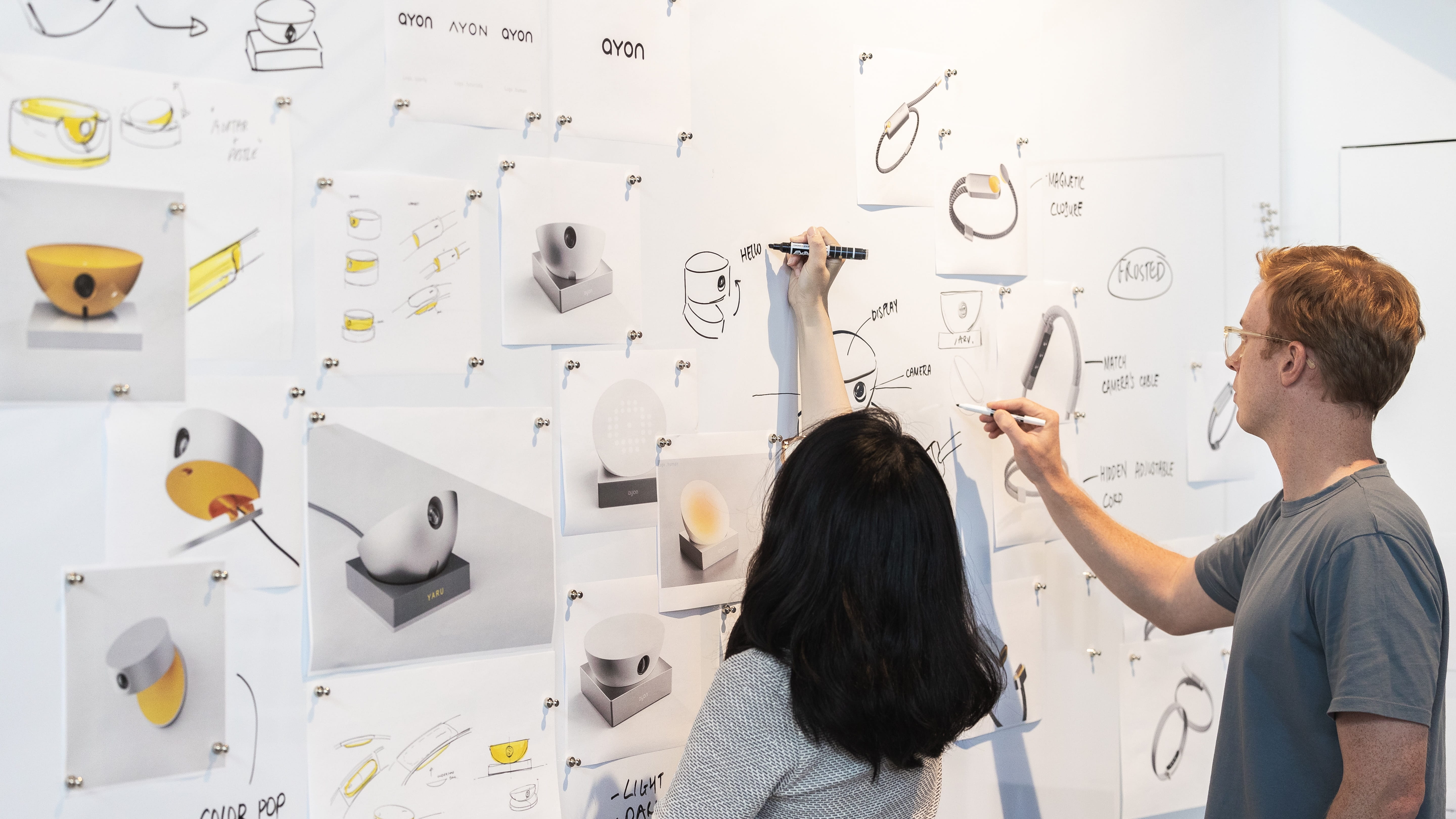
At Whipsaw, concept ideation uses sketching, 3D CAD, and rapid rendering to explore a range of possibilities before narrowing the direction. Engineering contributes an understanding of mechanisms, components, materials, and technical requirements, helping determine how ambitious concepts might become practical products.
This collaboration can reveal opportunities that would otherwise be missed. Engineering constraints may inspire a different form or interaction, while a design direction can prompt new technical solutions. The goal is not simply to make a concept possible, but to find a solution in which technical decisions strengthen the overall product.
Once a direction begins to take shape, the team works through the relationships between the product's physical elements. This can involve defining component architecture, enclosure geometry, mechanisms, materials, thermal considerations, and the interfaces between different systems.
These decisions are closely connected. Component placement affects the enclosure; enclosure geometry influences proportions and usability; mechanisms determine how a product moves or responds; and material choices affect durability, appearance, and manufacturing methods.
Creative engineering helps resolve these relationships while the design is still flexible. Detailed 3D CAD surface models, engineering exploration, and collaboration with mechanical and electrical engineering teams allow the product to develop as a coordinated system.
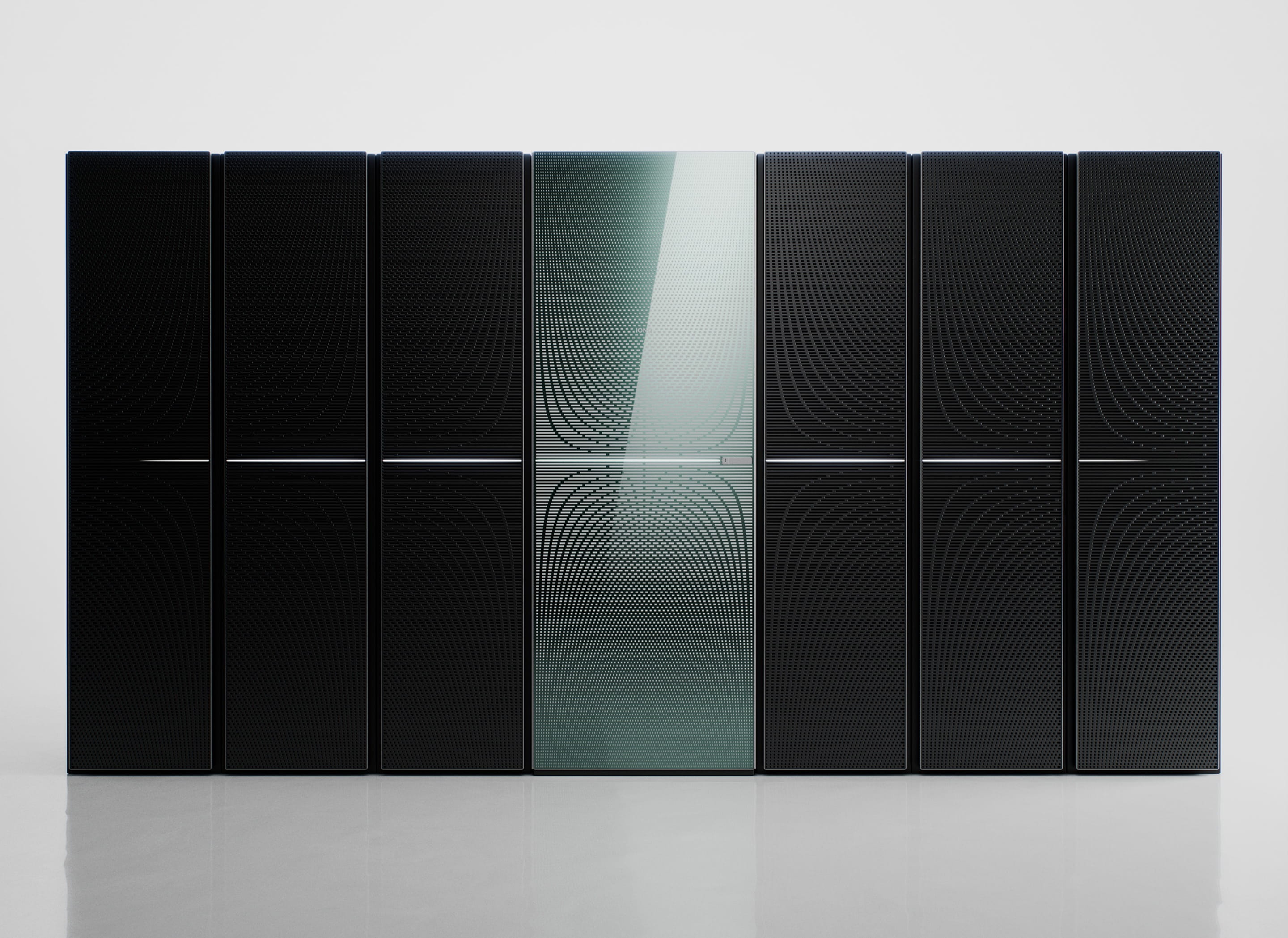
The IonQ Forte Enterprise Quantum Computer illustrates how industrial design and product development can work together on a technically complex product, connecting enclosure and mechanism engineering with design refinement, DFMA, manufacturing strategy, and cost optimization.
Digital models are essential, but they cannot answer every question about a physical product. Prototyping makes design decisions tangible, allowing teams to evaluate form, function, interaction, and technical characteristics before committing to production.
The right prototype depends on what the team needs to learn. An early foam model might reveal whether a product's proportions or grip feel right. A 3D-printed model can help evaluate geometry and component placement, while a functional prototype can explore a mechanism, control, assembly, or performance. As the design matures, higher-fidelity models become more representative of the intended product.
Whipsaw builds physical models in-house using methods including FDM, SLA, and SLS 3D printing, CNC machining, foam studies, and appearance modeling. These prototypes give designers, engineers, stakeholders, and users a shared object to examine, operate, and improve.
The Composer In-Sink Disposal System demonstrates how physical iteration can resolve details that are difficult to judge digitally. Whipsaw explored multiple lever lengths and interaction models, testing how the mechanical control would feel and fit within real kitchen environments. The resulting design connected the patented iris mechanism with a more intuitive and considered user experience.
Testing helps determine whether the product performs as intended and whether the experience works for the people using it. It can reveal problems with ergonomics, accessibility, interaction, mechanical behavior, assembly, or other technical requirements that may not be apparent in a CAD model or rendering.
For physical products, human factors and usability are particularly important. Whipsaw uses full-scale models, anthropometric analysis, grip and reach studies, accessibility evaluations, usability sessions, preference testing, and observational research to understand how people actually interact with products.
The Symphony Thrombectomy System is a strong example of this integrated approach. Whipsaw worked closely with physicians to understand the procedure and refine the device's ergonomics, industrial design, fluidics, and mechanical engineering. The team iterated between procedural and industrial design decisions, balancing usability with technical and manufacturing constraints.
Testing is not simply a final check. It provides information that guides the next round of refinement, helping teams improve the product while changes are still manageable.
A working prototype is an important milestone, but it does not automatically mean a product is ready for production. The design must also be engineered to be manufactured efficiently, consistently, and at the required scale.
Design for Manufacturing (DFM) and Design for Manufacture and Assembly (DFMA) bring production considerations into product development. Reviews can examine part consolidation, wall thickness, snap-fit and fastener strategy, tolerance stack-ups, material selection, assembly methods, tooling, production volume, and quality requirements.
Whipsaw integrates DFM into design and engineering rather than leaving manufacturing decisions until the end. The team also works with suppliers and manufacturing partners to evaluate production capabilities and develop a practical manufacturing strategy.
The objective is to reduce avoidable complexity and production risk while preserving the product's intended form, function, and experience. A successful engineering design process does not just produce a prototype that works; it prepares a product that can be made reliably.
Physical products bring together many interdependent decisions. A change to a mechanism can affect the enclosure, a material choice can influence durability and tooling, and user testing can reveal that an interaction needs to be reconsidered. These discoveries are a normal part of product development.
Iteration gives teams the opportunity to respond to new information rather than forcing an early decision through every subsequent stage. Prototypes make assumptions visible, testing provides evidence, and engineering analysis helps determine which refinements are technically and commercially practical.
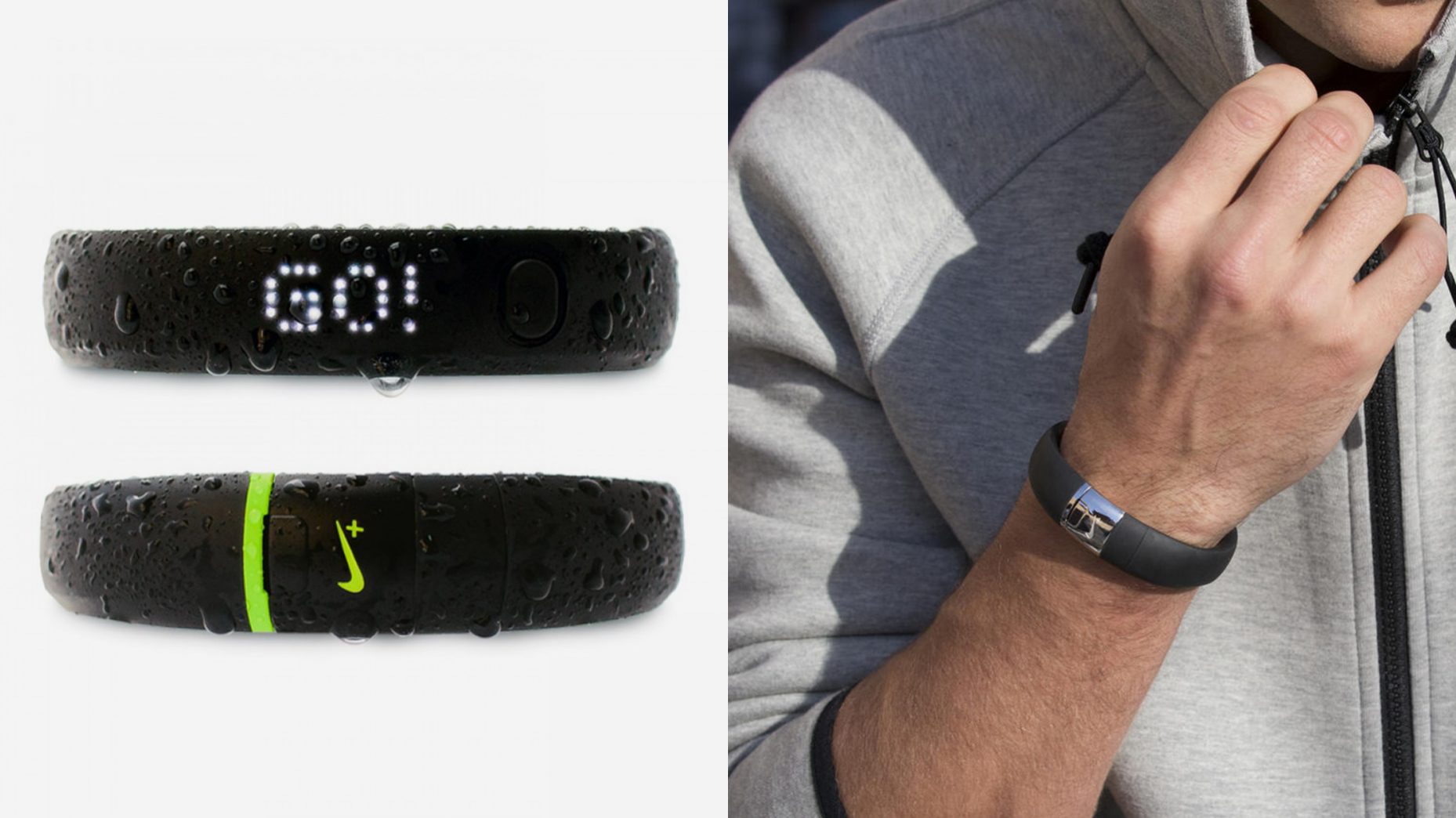
Whipsaw's work on the Nike FuelBand demonstrates the relationship between product design, engineering, and manufacturing. Developing the wearable required close attention to its physical architecture and interaction, with engineering decisions supporting the product's distinctive form and everyday use.
The strongest results emerge when design and engineering remain connected throughout development. Instead of treating engineering as a final approval step, teams use it to discover possibilities, solve problems, and improve the product as a whole.
The engineering design process for physical products is ultimately about turning a product vision into something people can use and manufacturers can build. It connects requirements, industrial design, engineering, prototyping, testing, and manufacturing through an ongoing cycle of exploration and refinement.
Whipsaw brings these disciplines together through industrial design, creative engineering, human factors and usability, model-making and prototyping, design refinement, and design for manufacturing. By considering technical feasibility and the product experience together, the team helps ambitious ideas become practical, considered products ready for the real world.
For physical product development, the process commonly includes defining requirements, exploring concepts, developing product architecture, building prototypes, testing and refining the design, and preparing it for manufacturing. These stages often overlap and repeat as the team learns more about the product.
Prototyping allows teams to evaluate a product in physical form before committing to production. It can reveal issues with proportions, ergonomics, mechanisms, controls, assembly, materials, and performance that may not be apparent in digital models alone.
Industrial design focuses on shaping the product around human needs, usability, form, and experience. Engineering develops the technical solutions that make the product function and become buildable. In effective product development, the disciplines collaborate throughout the process so neither works in isolation.
Manufacturing considerations should influence product development early, while the design still has room to change. Evaluating materials, components, tolerances, assembly, tooling, and production requirements before the design is finalized can help reduce costly revisions later.
Whipsaw combines industrial design, creative engineering, human factors and usability, physical prototyping, design refinement, and design for manufacturing. The team works across these disciplines to develop products that balance user experience, technical performance, and production requirements.
Share this article