

This piece draws from a full year inside Whipsaw’s business development and proposal practice, where we engaged with scores of teams across medtech, robotics, consumer products, education, wellness, and emerging AI ventures. Proposal work is a reliable early indicator of where the world is heading. It reveals what clients are imagining and what pressures they face. When you zoom out across that landscape, a clear portrait of industrial design’s next era comes into focus.
Designers are being asked to interpret and shape intelligent behavior rather than simply sculpt form. As AI-powered systems become more common, the challenge is to define the emotional and relational qualities that make them feel trustworthy. Industrial design is shifting from object-making to behavior-shaping.
This theme repeatedly came up with our robotics clients, who understand that integration and adoption of intelligent hardware products into the fabric of our world requires establishing trust. Software itself must communicate through a hardware medium, so the emotionality and expressiveness of the physical hardware itself were a primary consideration.
There are inherent contradictions, and clients also acknowledge some discomfort with humanizing technology. Clients want products to feel alive, not cute; smart, not smug. Designers must dial in emotion and restraint without slipping into gimmicks or uncanniness.
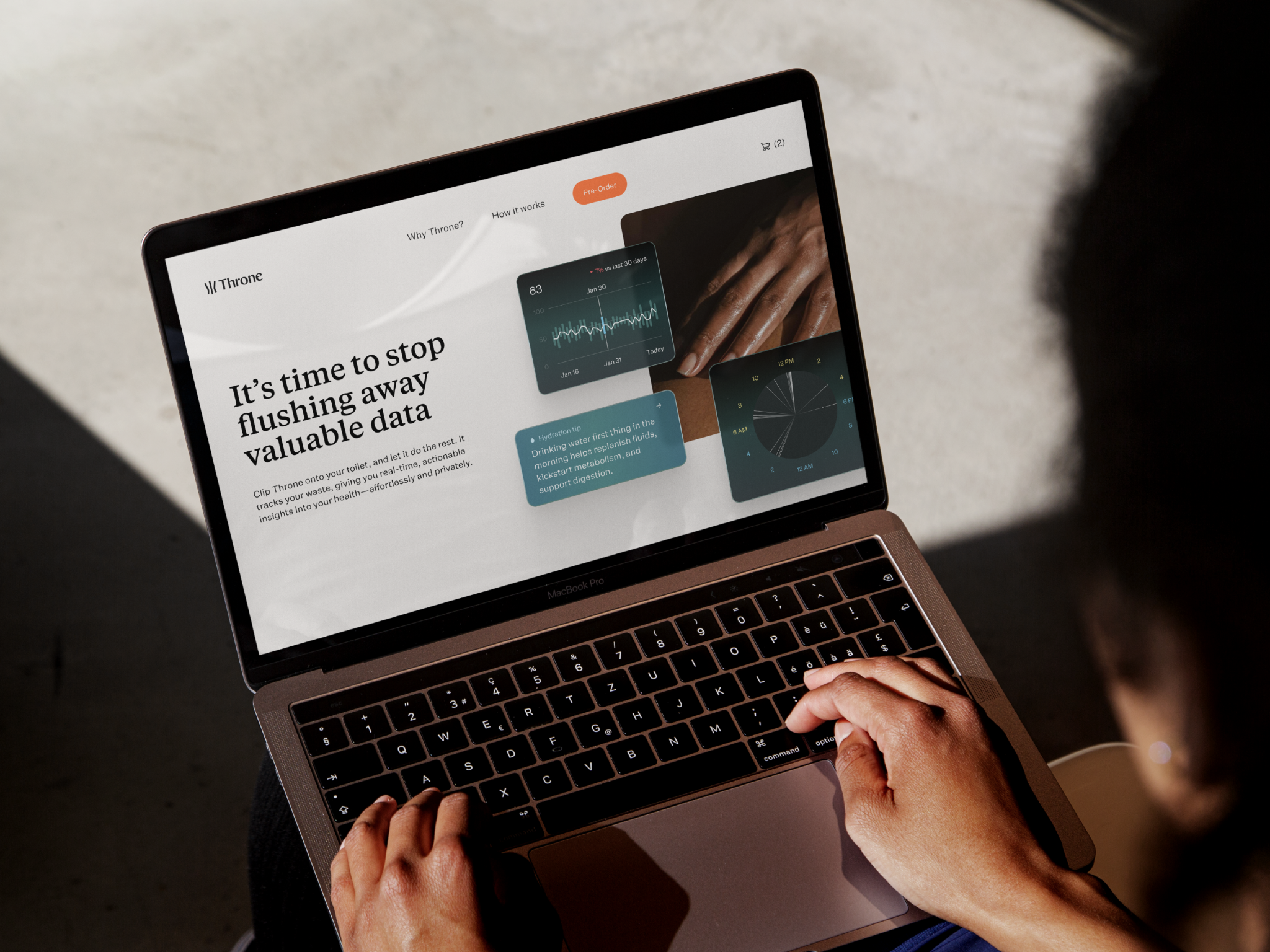
A major industry trend is the rapid consumerization of medtech and scientific devices. Clinical-grade tools now need aesthetic refinement, emotional resonance, and intuitive ergonomics. The bar for comfort and clarity is rising. Clinical heritage pushes toward compliance and sterility. Consumer expectations push toward comfort, beauty, and approachability. These values often clash at the edges. Designers are shaping how people welcome medical experiences into their homes and personal routines.
We wrote more about this in Transforming Health Tech from Fragmentation to Flow
We are increasingly being invited into deeper strategic work. Leaders are asking, “given this set of strategic advantages and these competitive pressures, what makes sense to build? How might we derisk those potential products as early as possible to justify the investment in product development?” Teams want clarity before committing to engineering. They ask for help defining opportunity spaces, product architectures, and experience principles. This is design as risk reduction and vision formation, not decoration.
This strategic work helps to clarify the right product, the right architecture, the right brand expression, and the emotional contract with users. This marks a shift toward design as a strategic capability that shapes both vision and viability. We are curious whether there might be a swing back towards in-house CDO roles, after the shedding of enterprise-level design leadership over the last few years.
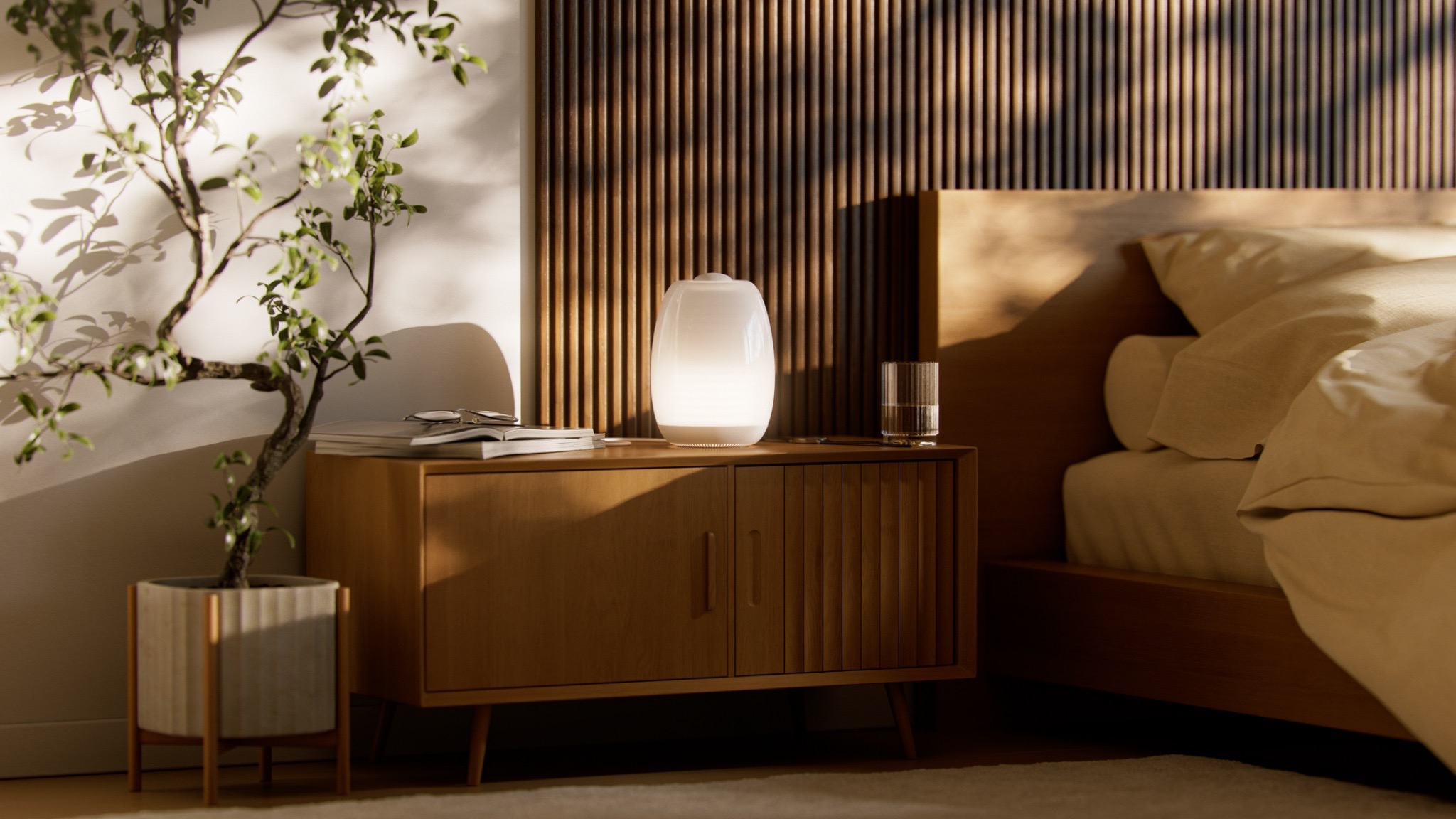
After years dominated by digital platforms, physical products are experiencing a renaissance. Clients want objects with character, tactility, and emotional presence. People crave physical delight, but costs force discipline with design decisions. Designers are revisiting materiality and mechanical elegance with renewed joy.
As AI upends software development, it’s apparent that there’s a renewed desire for engagement in the physical world. Fashion trends shifting toward vintage and repurposed materials indicate that consumers have not lost their appetite for customization and craftsmanship. Even in our work, designing for scale and mass production, founders have been asking for easter eggs or nods to the humanity involved in the design process.
We see an acceleration in material storytelling, sensory design, and technical elegance. Over-indexing on the digital layer as the sole experience layer is out.
Products no longer live alone. They exist inside networks of software, cloud services, packaging, onboarding, and brand storytelling. Industrial design is evolving into a multi-layered practice that spans physical, digital, and experiential design. Companies and consultancies that can choreograph entire ecosystems harmoniously are leading the field, but that stands in tension to the silos in larger organizations, particularly between product and brand.
Clients seek partners who navigate complexity with humility, creativity, and clarity. We believe that success comes through listening deeply, challenging thoughtfully, and collaborating energetically. Trust is no longer a soft value. It is a strategic differentiator. Ambitious products require shared courage, and we find that clients want us to push them without overwhelming them. Designers must calibrate honesty with optimism.
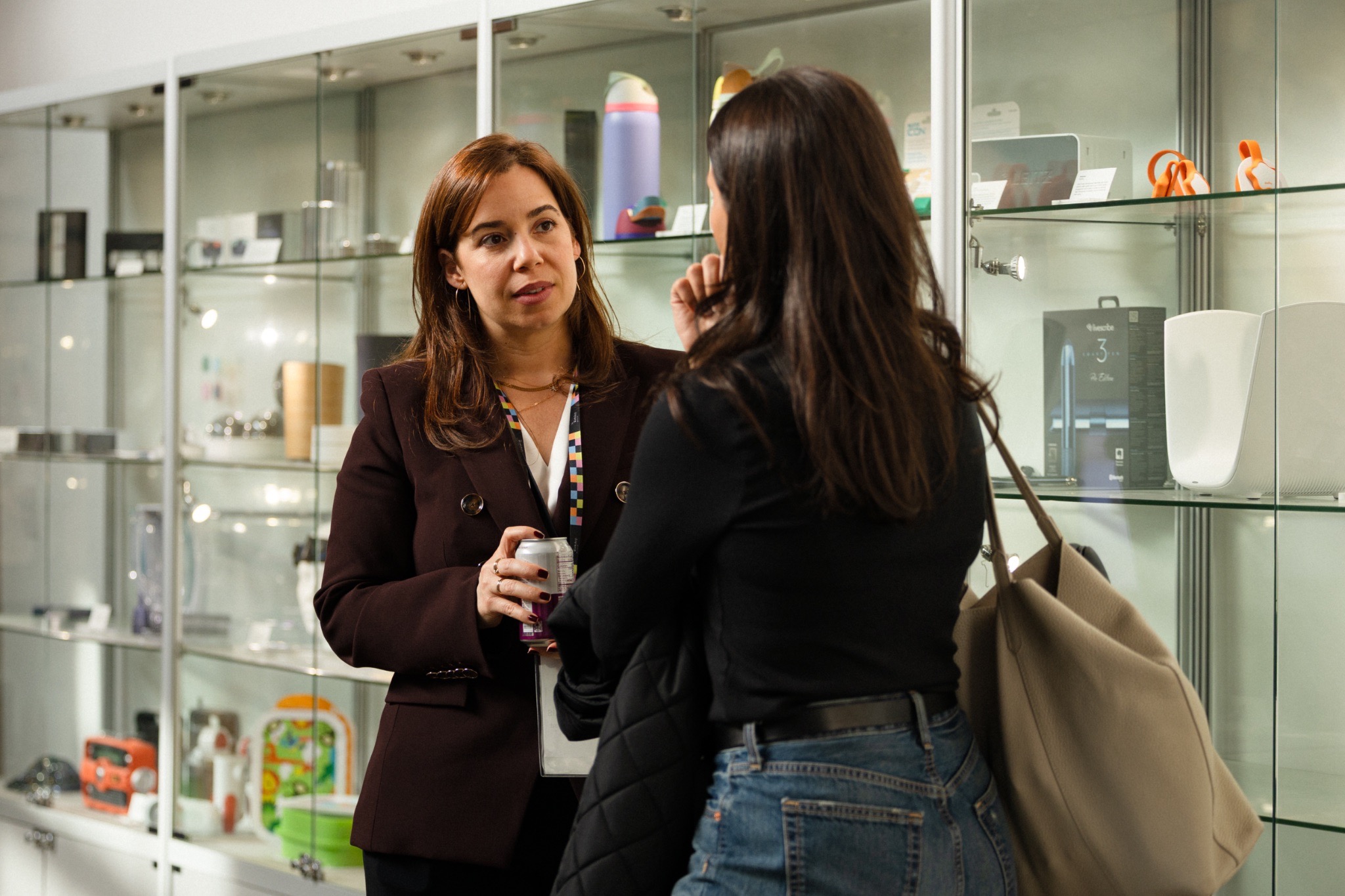
These shifts are not abstract. They reshape how studios must operate, who we hire, how we collaborate, and what we make. A large design agency cannot meet the moment simply by doing what worked a decade ago. The nature of the work is expanding, drawing the discipline into new terrain.
New skillsets
The rise of intelligent systems makes behavior and experience design as important as form. Teams need people who understand machine learning enough to shape how it shows up in the world, who can design micro-behaviors, social cues, lighting rhythms, and personality arcs. Industrial designers are becoming part-storyteller, part-systems thinker, part-digital choreographer. Human factors, workflow fluency, and ecosystem mapping are now core skills rather than niche specializations.
New org structures
Studios are blending hardware, software, research, brand, and strategy into more fluid teams. The old model of discreet lanes is giving way to cross-functional pods that can move between physical, digital, and behavioral layers without disjointed handoffs. The most effective teams create small, multi-disciplinary groups early in a program so strategy is not separated from design and design is not separated from technical reality.
New business models
Starting with discreet discovery and definition engagements is becoming a powerful offering. This pushes agencies to structure engagements around clarity and imagination rather than deliverables alone. It invites models that mix fixed-fee exploration with modular execution paths. It also creates room for aligned incentives, where design plays an early-shaping role in exchange for equity participation or a long-term partnership.
We’ve responded to this shift with The Workshop. It gives early-stage teams a way to access world-class design while preserving capital and reducing uncertainty. Instead of asking founders to commit to a full program before the idea is fully formed, The Workshop creates a structured sprint where teams explore product architecture, brand foundations, user insights, commercial strategy, and early prototypes. It is a hybrid model that blends advisory, design, and venture studio thinking. The Workshop turns design into a catalytic investment in the company’s future rather than a transactional line item. It is a signal of where the industry is heading: design as a force multiplier, not a cost center.
New artifacts in the design process
As intelligence, behavior, and emotion become core design variables, the artifacts we produce must evolve. Behavior scripts, decision maps, emotional journey diagrams, mobile diary studies, AI personality principles, and ecosystem choreography models are joining CAD, CMF boards, and prototypes. Designers are prototyping conversations, micro-movements, and algorithmically driven UI states. The work is becoming more narrative, more temporal, and more multimodal.
These shifts do not dilute industrial design. They expand it. They place our discipline at the intersection of intelligence, emotion, and physical experience. They ask studios to become both broader and deeper, to embrace complexity without losing craft, and to hold a larger portion of the product vision than ever before.
Industrial and experience design are expanding in every direction. The boundaries of the discipline are dissolving, ushering in an era defined by breadth, empathy, and the craft of meaningful human experience.
Share this article


.svg)
.svg)