

As AI and robotics grow more autonomous, a new design challenge emerges: how to build trust when control fades? This question shaped a conversation hosted by iF Design USA and industrial design studio WHIPSAW during San Francisco Design Week.
As AI and robotics become more autonomous, a new design challenge comes into focus: how do you create trust when users no longer feel fully in control? As products evolve from static objects into autonomous, AI-driven systems, design is taking on a new responsibility. It no longer shapes experience alone — it shapes safety, perception, and the decisions people make. In this new landscape, trust is emerging as one of design’s most critical challenges.
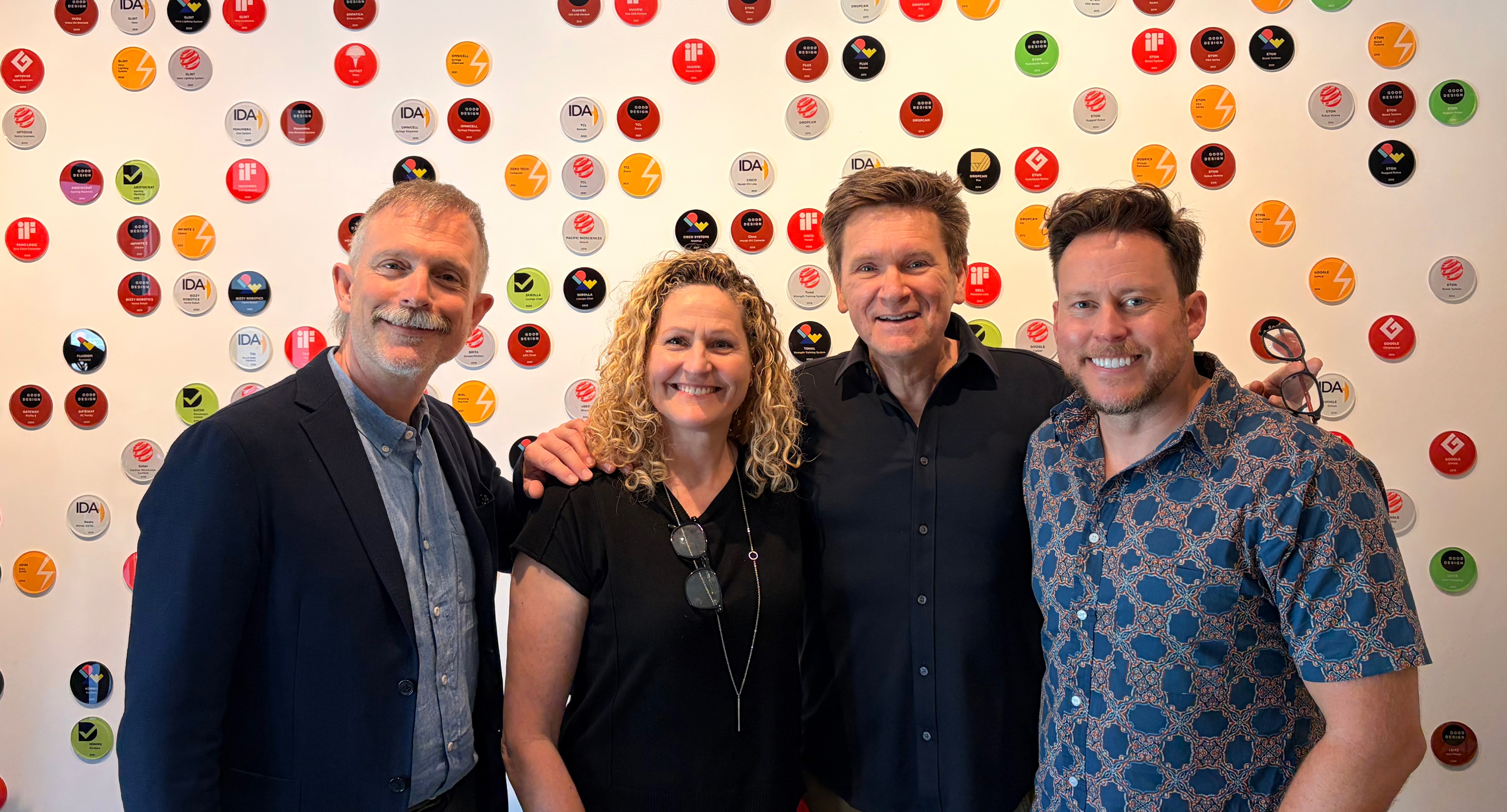
This question was at the center of a recent conversation in San Francisco, hosted by iF DESIGN USA and multiple iF DESIGN AWARD winner Whipsaw.
Dan Harden of Whipsaw and Ryan Williams of three-time iF DESIGN AWARD winner Intuitive, explored what it really takes to build trust - especially in environments where failure is not an option. Read below a short summary of the ideas discussed at the event.
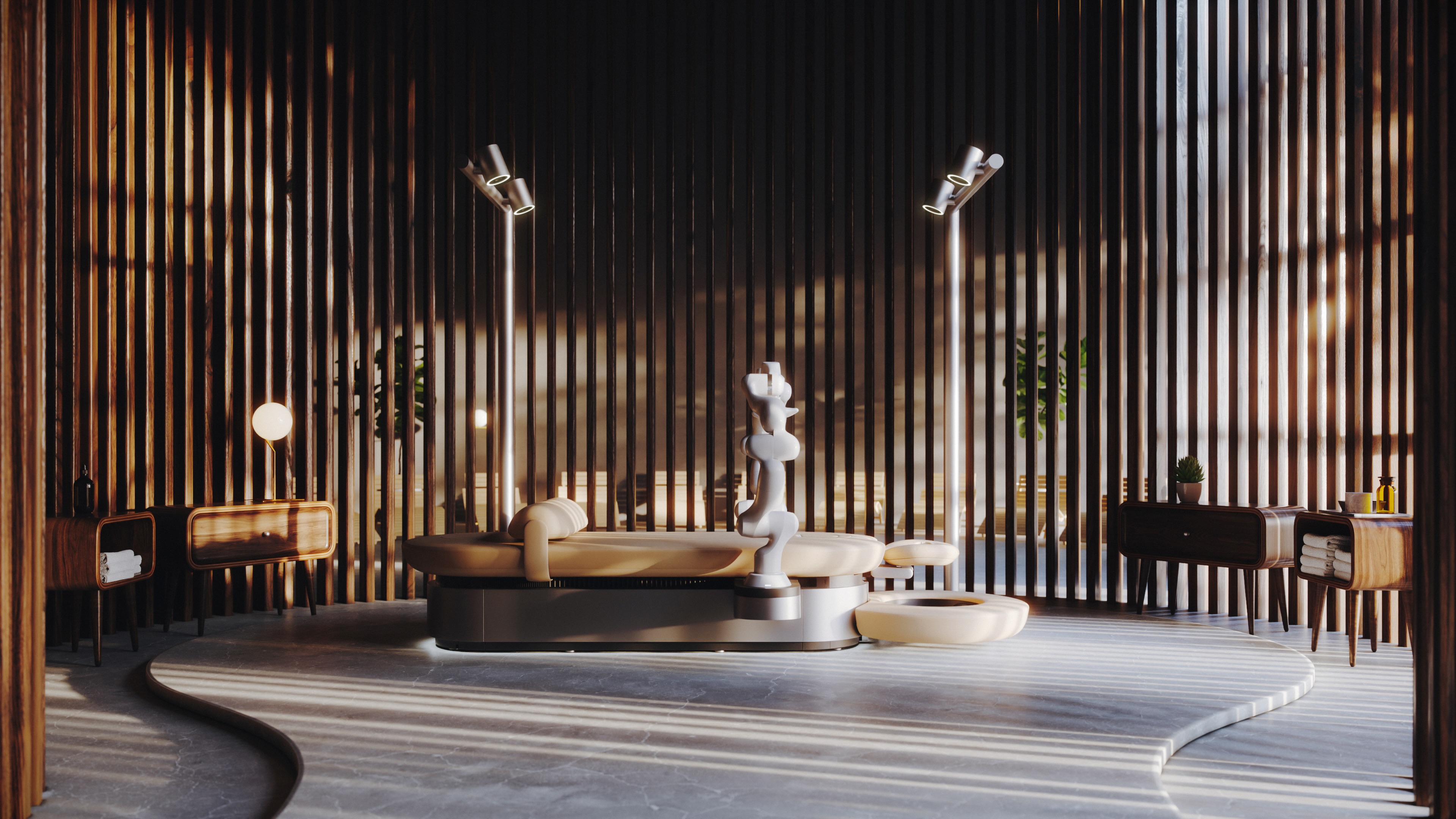
Trust is not an abstract idea, it has to be designed into every detail. It takes shape through form, behavior, and interaction. Proportions, movement, materials, and responsiveness all become subtle signals that users read instinctively. The moment a system begins to act - especially autonomously - people start to interpret intention, even personality. Every design decision suddenly carries more weight.
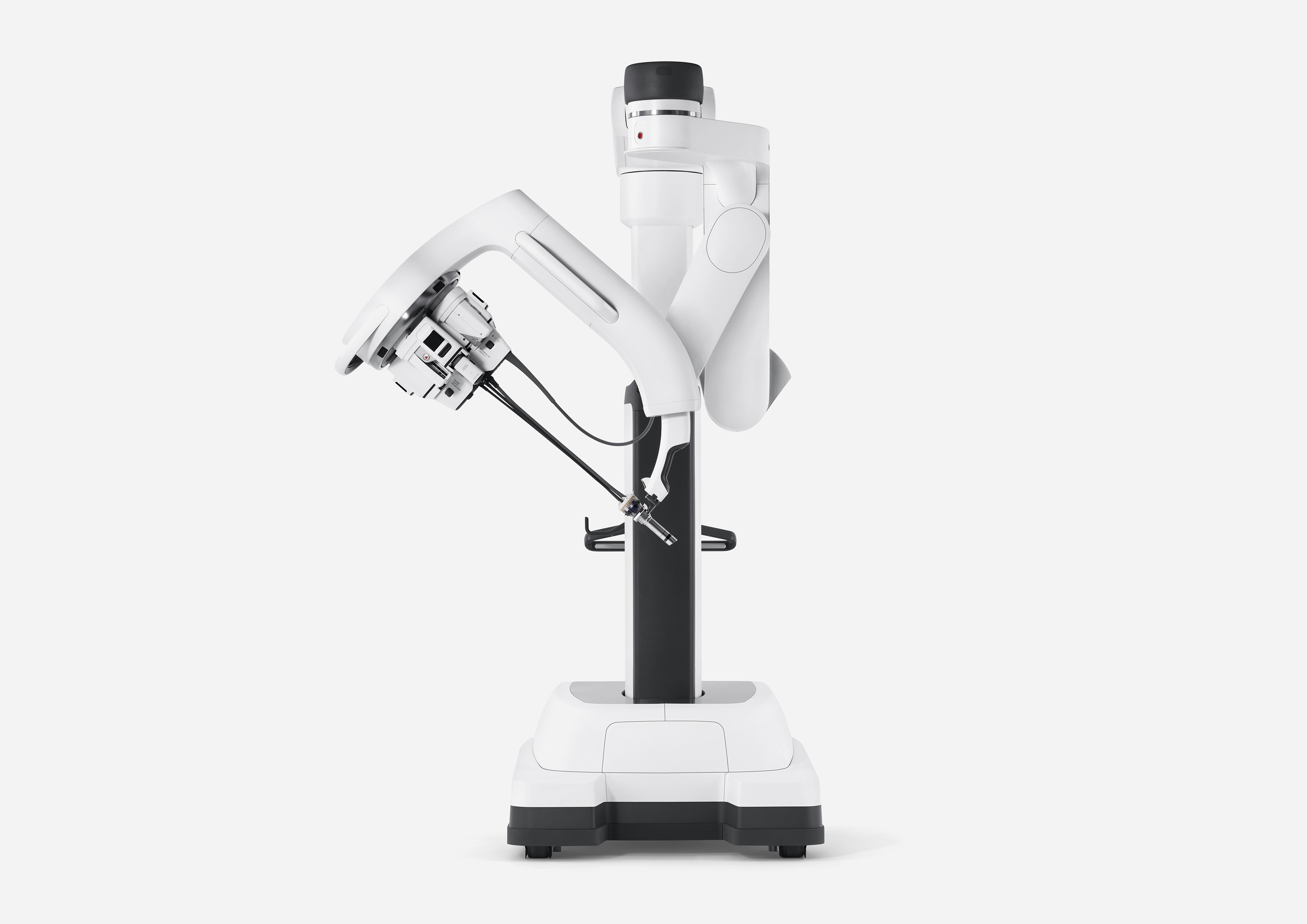
At Intuitive Surgical, where Ryan Williams leads Product Interaction Design, this principle is embedded at the deepest level. The company’s surgical robots are built on a simple but powerful premise: the patient could be you — or someone you love. This mindset changes everything. It creates a design culture defined by long development cycles, constant simulation, strict regulation, and a relentless focus on simplification.
The level of rigor is striking: Intuitive Surgical's da Vinci 5 surgical system, for example, took over a decade to develop. In this context, trust doesn’t come from expressive aesthetics or strong visual character. It grows out of something quieter and far more demanding: precision, reliability, consistency, and seamless performance in use. As Ryan Williams puts it, “we try to stay out of the way, so the surgeon can focus entirely on the procedure.” At its best, design almost disappears. The system feels so natural, so predictable, that it becomes an extension of human ability and not something that needs to be managed, but something that simply works.
“Trust doesn’t come from technology alone. It comes from how a system behaves - how calm it feels, how predictable it is, and whether people sense that it was designed with human needs in mind.”
-Dan Harden, CEO and Principal Designer at Whipsaw
Trust doesn’t happen in a single moment—it builds over time across an entire ecosystem. From onboarding to service and even failure recovery, every touchpoint matters. As Ryan Williams notes, even mistakes can preserve trust if responses are transparent, competent, and reassuring—especially in areas like autonomous mobility.
This reflects a broader shift: products are no longer isolated objects, but connected systems evolving over time. For designers in medical and wellness contexts, responsibility extends far beyond the device to include onboarding, real-time use, feedback, and recovery. In high-stakes environments, simplicity is more than a usability goal - it is a safety requirement. The discussion repeatedly returns to the same principle: complex systems must feel simple, even when they are technologically advanced.
“When branding, expectations, and actual system capabilities fall out of sync, trust doesn’t just fail — it can turn into a risk.” -Ryan Williams, Intuitive Inc.

The speakers challenge the idea of maximizing trust, proposing instead “productive distrust.” For Dan Harden, doubt drives better outcomes—especially in safety-critical systems. Too much trust breeds complacency; carefully designed friction keeps users alert and supports better decisions. Trust, then, isn’t about removing doubt, but calibrating it. Ryan Williams even points out: “When branding, expectations, and actual system capabilities fall out of sync, trust doesn’t just fail — it can turn into a risk.”
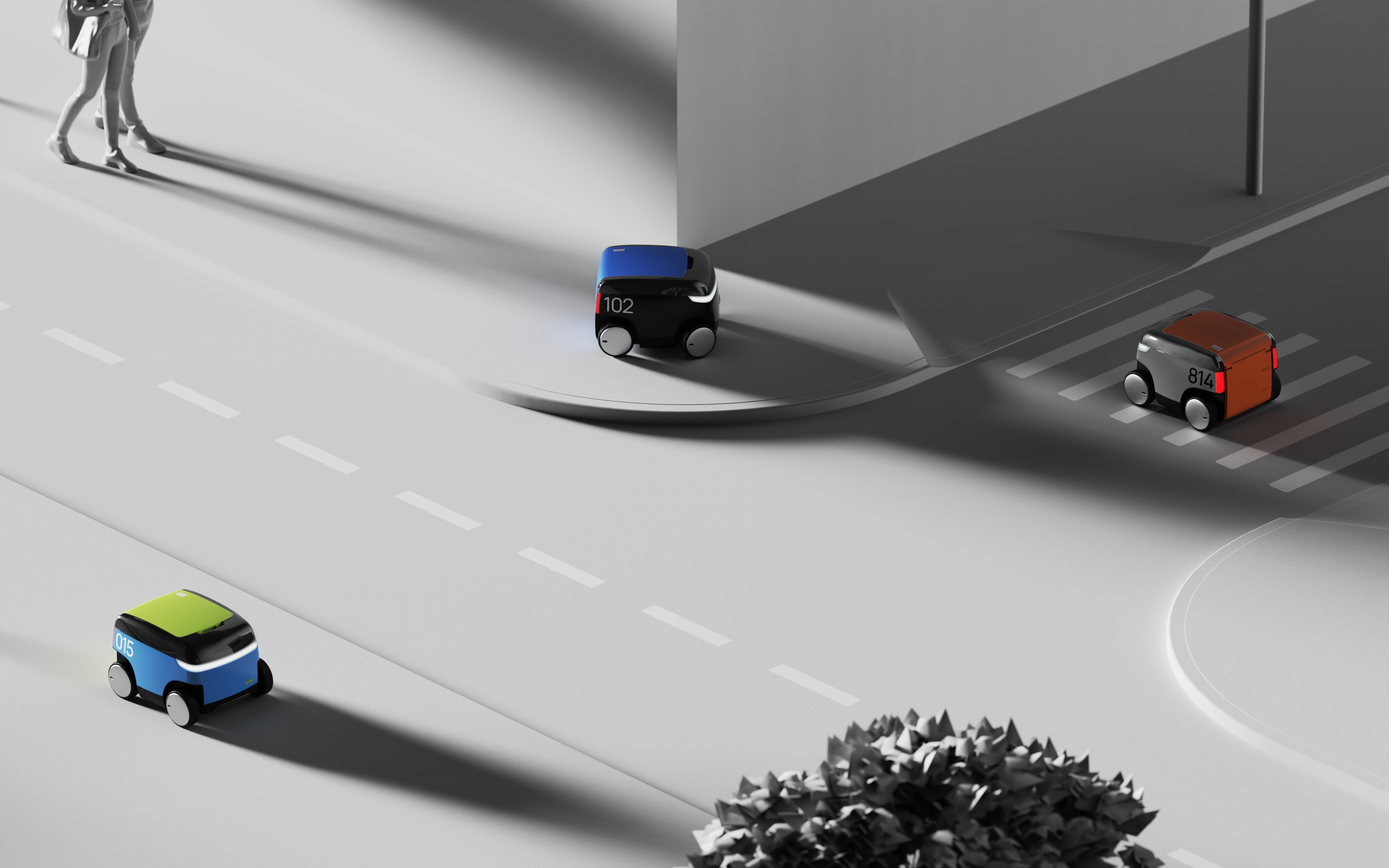
One idea resonated throughout the discussion: trust doesn’t simply emerge from good design - it must be intentionally created. For Dan Harden, this represents a fundamental shift: “Trust doesn’t come from technology alone. It comes from how a system behaves - how calm it feels, how predictable it is, and whether people sense that it was designed with human needs in mind.”
Future "systems" may require new ways of asserting control — not through switches and menus, but through more intuitive, behavioral interactions such as gestures or context-aware commands.
Intelligent systems must become responsive participants in shared space, not just tools to operate. This points to a new frontier for design — one where trust is no longer built through objects alone, but through ongoing relationships between humans and intelligent systems.
Originally published by iF Design.
Share this article


.svg)
.svg)