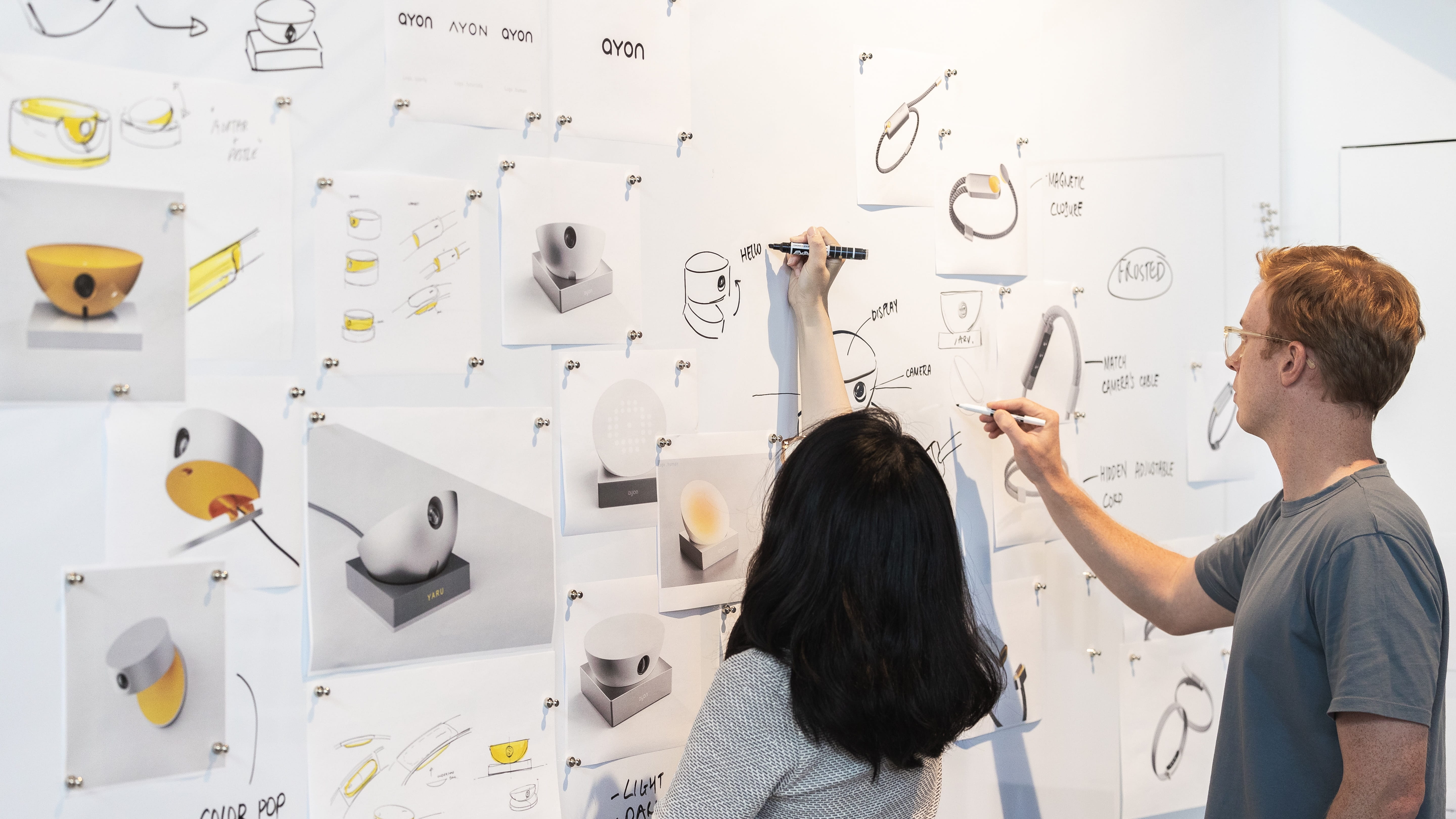


A product can work exactly as intended and still be difficult to use.
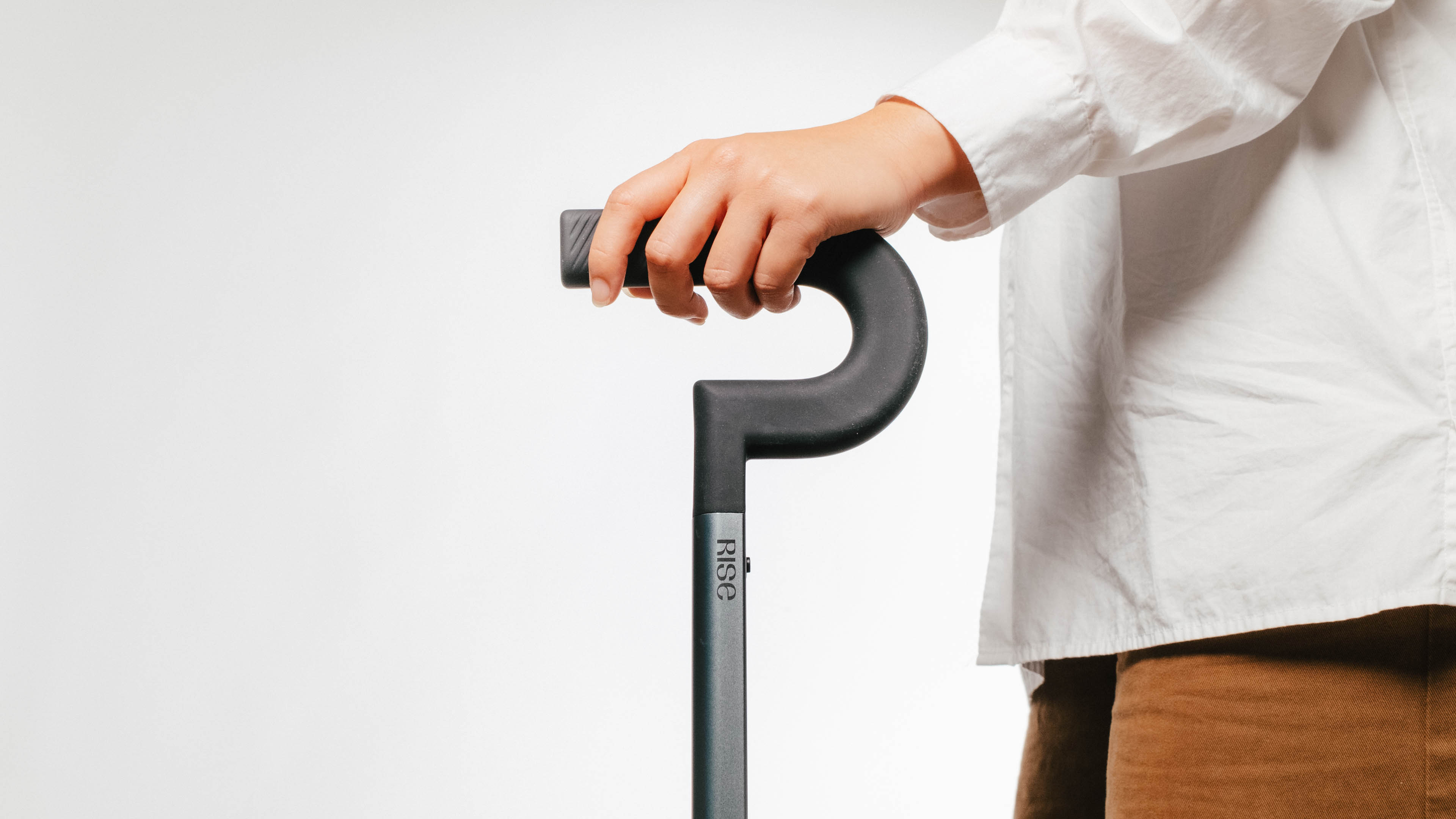
A control may be hard to reach. A handle may feel uncomfortable after repeated use. An interface may ask too much of the person operating it. These are not minor details to resolve after the design is finished. They are fundamental questions about how a product performs in the hands of the people it is meant to serve.
Human factors engineering brings the capabilities, limitations, behaviors, and needs of people into the product development process. It examines how people interact with physical products, their controls, feedback, and operating environments, then uses those insights to shape safer, more intuitive, and more effective experiences.
For physical products, this means looking beyond appearance and mechanical function. It means understanding how a product is held, reached, operated, understood, and maintained in real conditions. When human factors are considered early, they can influence the product's form, architecture, mechanisms, and interaction model before those decisions become difficult or expensive to change.
Human factors engineering is the discipline of designing products, systems, and environments around the people who use them. It applies knowledge of human physical, cognitive, and sensory capabilities to improve usability, safety, comfort, and performance.
In product development, human factors engineering considers the relationship between three elements: the user, the product, and the environment in which the product is used. A product must work technically, but it must also make sense to the person operating it. Its size, weight, controls, feedback, and physical arrangement all influence whether an interaction feels natural or creates unnecessary effort.
The discipline overlaps with ergonomics and usability engineering, but each term emphasizes a slightly different perspective. Ergonomics often focuses on physical interaction, including posture, reach, grip, and repetitive movement. Usability engineering examines how effectively and efficiently people can achieve their goals when using a product. Human factors engineering brings these considerations together, accounting for both physical and cognitive aspects of the experience.
For industrial designers and engineers, this is not a separate layer added at the end. It is a way of making design decisions with a clearer understanding of the people who will live with the result.
Physical products create interactions that cannot always be understood through screens, renderings, or technical specifications. People apply force, change position, move through spaces, interpret physical feedback, and use products under varying conditions. A control that appears clear in a CAD model may be awkward to operate. A device that fits one person's hand may be uncomfortable for another.
Human factors engineering helps reveal these issues while the design is still flexible.
Usability and intuitive interaction. Products should communicate how they work. The placement, shape, and behavior of controls can help users understand what to do without relying on extensive instruction. Clear feedback also matters: people need to recognize when an action has registered, when a process is complete, or when something requires attention.
Ergonomics and physical comfort. Grip diameter, reach distance, operating force, product weight, posture, and repeated movement all affect the experience. Product ergonomics is not simply about making something feel comfortable in a showroom. It is about supporting the range of people and situations the product is designed for, including extended or repeated use.
Safety and error prevention. A confusing control or poorly communicated product state can lead to mistakes. Human factors design considers how people interpret information, where errors may occur, and how the product can help prevent or reduce their consequences. In medical and other high-stakes applications, these questions are especially important.
Accessibility and variation between users. People differ in body dimensions, strength, dexterity, sensory abilities, experience, and familiarity with technology. A product designed around a single assumed user may create barriers for others. Considering a broader range of users can lead to more inclusive and adaptable products.
These factors are connected. A control's location may affect reach, visibility, and the likelihood of accidental activation. A product's size may influence both portability and grip. Good human factors engineering considers these relationships as part of the whole product experience.
Human factors in product design involve more than measurements. They include the physical, cognitive, and sensory conditions that influence how people interact with a product.
Anthropometry is the study of human body measurements and proportions. It helps designers understand the range of body sizes and dimensions a product may need to accommodate. In physical product development, this can inform handle dimensions, control placement, viewing angles, clearances, and reach zones.
Grip and reach studies help translate those measurements into design decisions. A handle must be sized and positioned for the intended task. A frequently used control should be accessible without forcing an uncomfortable posture. Full-scale models can make these relationships easier to evaluate than a digital model alone.
People need to understand what a product is doing and what it expects them to do next. Labels, visual cues, sounds, tactile feedback, and the arrangement of controls all contribute to that understanding.
When a product presents too much information, hides important feedback, or makes different functions difficult to distinguish, it increases cognitive effort. Human factors engineering looks at how information is presented and how interactions unfold, with the goal of making operation more understandable and predictable.
A product rarely exists in ideal conditions. It may be used in low light, in a crowded workspace, while wearing gloves, during movement, or under time pressure. The surrounding environment can change what users can see, reach, hear, or comfortably operate.
Understanding the context of use helps teams make more realistic decisions about product form, controls, materials, visibility, and interaction. It also helps prevent a design from being optimized for a demonstration rather than the conditions in which it will actually be used.
Human factors engineering is most effective when it informs the design process from the beginning and continues through prototyping and refinement. The methods used depend on the product, its users, and the questions the team needs to answer.
The process begins with understanding who will use the product, what they need to accomplish, and the conditions in which they will operate it. Research may include interviews, observational studies, task analysis, and conversations with subject-matter experts.
The objective is to understand actual behavior, not just assumed behavior. Watching someone perform a task can reveal workarounds, awkward movements, points of confusion, and environmental constraints that may not emerge in a requirements document.
Research becomes useful when it informs specific design decisions. Findings can shape requirements for reach, grip, visibility, operating force, control placement, feedback, accessibility, and workflow.
These requirements help connect the human experience to the engineering of the product. They also give the team criteria against which concepts and prototypes can be evaluated.
Industrial design and engineering teams can use sketches, CAD, mockups, and full-scale physical models to explore how a product might look and function. At this stage, human factors considerations influence the overall form as well as the details of interaction.
A model can help answer practical questions: Can a user reach the control? Does the handle support the intended grip? Is the display visible from the expected operating position? Can the product be used comfortably in its intended environment?
Physical prototypes allow teams to evaluate interactions that are difficult to judge on screen. Users can hold the product, operate its controls, move through a task, and respond to its feedback. Observing these interactions can reveal issues in proportion, ergonomics, comprehension, and operation.
Testing should be connected to clear questions. An early model might evaluate grip and reach, while a more functional prototype can examine control behavior, operating sequences, or mechanical interaction. The right prototype is the one that helps the team learn what it needs to know at that stage.
Whipsaw explores this relationship between design intent and real-world use in Why We Test: Bridging the Gap Between Design and Reality.
Testing is valuable because it gives the team evidence to act on. Findings may lead to changes in geometry, control placement, interaction sequences, materials, feedback, or product architecture. The revised design can then be evaluated again.
This cycle of observation, testing, and refinement helps resolve problems before production tooling and manufacturing commitments limit the available options. It also makes human factors an ongoing part of product development rather than a final usability check.
The value of human factors engineering becomes clearer when it is applied to products with real operational demands.
Consider a medical device. Its design must account for the people using it, the sequence of clinical tasks, the surrounding equipment, and the pressures of a medical environment. Controls and components need to support clear, reliable operation. The physical arrangement must make sense within the procedure, not simply within the product enclosure.
In its work on the Symphony Thrombectomy System, Whipsaw collaborated on the procedural model, ergonomics, industrial design, fluidics, and mechanical engineering. The work involved understanding how the device would be used during a procedure and translating that understanding into the product's physical and functional design.
A consumer product presents a different set of human factors questions. A wearable, for example, must account for how it sits on the body, how people interact with its controls, and how information is communicated during everyday activity. Whipsaw's work on the Nike FuelBand brought industrial design and engineering together around a wearable activity-tracking experience.
These examples illustrate an important point: human factors engineering is not a single design technique. It is a way of connecting the product's technical requirements to the realities of use.
When human factors are introduced late, teams may discover that a fundamental product decision is working against the user experience. A control may be difficult to reach because the enclosure is already fixed. A handle may require a larger mechanical assembly. A display may be poorly positioned because the product architecture has already been established.
Addressing these issues can require changes to tooling, components, assembly, or the overall product form.
Considering human factors earlier gives designers and engineers more room to explore alternatives. It allows user needs to influence the product architecture, mechanical layout, and interaction model while those elements are still being developed.
This is also where human factors engineering connects closely with design for manufacturing. A product must be usable, but it must also be practical to produce consistently. The best outcome considers both: a product that supports the intended experience and can be manufactured to deliver it reliably.
Human factors engineering is ultimately about making products work better for the people who depend on them. It brings physical capabilities, cognitive needs, behavior, and context into decisions about form, function, and engineering.
At Whipsaw, human factors and usability are part of a broader physical product development practice that connects industrial design, engineering, prototyping, and manufacturing considerations. Through research, physical evaluation, and iterative refinement, the team works to ensure that what is designed makes sense not only as an object, but as an experience.
Because a product is not finished when it works in theory. It is finished when people can use it as intended.
Ergonomics often focuses on physical interaction, including posture, reach, grip, comfort, and repetitive movement. Human factors engineering takes a broader view, considering physical, cognitive, and sensory factors as well as the environment in which a product is used. The disciplines overlap and are often applied together in product development.
Usability engineering focuses on how effectively and efficiently users can complete tasks with a product or system. Human factors engineering includes usability but also considers physical capabilities, ergonomics, perception, cognition, and environmental conditions. Both help teams design products that are easier and more reliable to use.
Human factors should be considered from the earliest stages of product development. Early research can influence product requirements, form, architecture, and interaction decisions. Prototyping and user testing then help evaluate and refine those decisions as the product develops.
Methods can include user research, task analysis, anthropometric analysis, grip and reach studies, full-scale models, observational studies, and usability testing. The appropriate methods depend on the product, its intended users, and the risks and questions being evaluated.
Medical devices are used in complex environments and often involve specialized tasks, time pressure, and consequential decisions. Human factors engineering helps teams understand how clinicians and other users interact with a device, identify potential use errors, and improve the clarity and reliability of the user experience.
Share this article