


The secret to achieving brand evangelism? It’s not marketing. It’s not messaging. It’s the experience engineered into every product interaction.
How do you design a product that inspires the kind of obsessive ownership that turns customers into evangelists - people who tell their tribe not just what they bought, but why they love it?
What drives the viral success of certain products and the brands behind them?
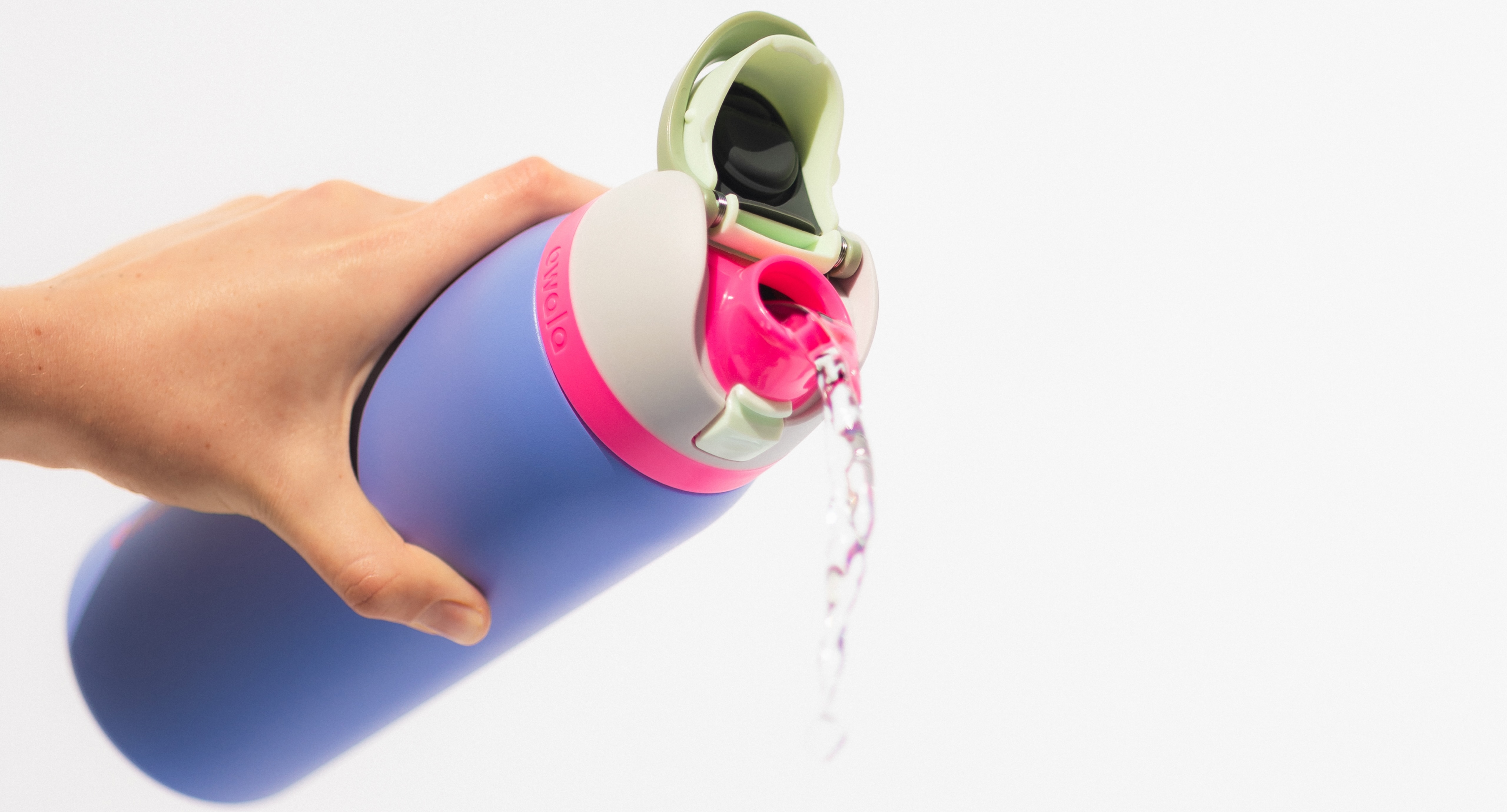
I take physical user experience seriously. Maybe too seriously. Just ask my long-suffering family, who endure my repeated clicking, pressing, sliding, gripping, folding, opening, and closing as I dissect the mechanics behind daily interactions for future recall. The products I get excited about using, or anxious about losing, are the ones where design and engineering are co-authors of the experience. Everything clicks, moves, and operates exactly the way you want it to. There isn’t a pain point in sight. Ask someone what they love about a product, and chances are they’ll describe how it feels to use, even if aesthetics were what first drew them in. Take Owala’s water bottles. Their success isn’t just about the playful form language or the broad palette of colors that invite personalization. They’re sticky because the experience is different: a lid that flips open with one hand, a spout that lets you sip or swig without thinking, a design that quietly eliminates frustrations people didn’t realize they were tolerating. The novelty isn’t cosmetic. It’s behavioral.
The visceral experience these products create when we interact with them delivers a subtle dopamine hit that keeps us coming back. Over time, we begin to trust the brand behind that experience, trusting it will deliver that feeling again, perhaps in new and surprising ways. Just as brands can be built on exceptional digital experiences, the physical product experience can become a cornerstone of a brand’s DNA. After all, it’s the most tangible and immediate expression of what that brand stands for.
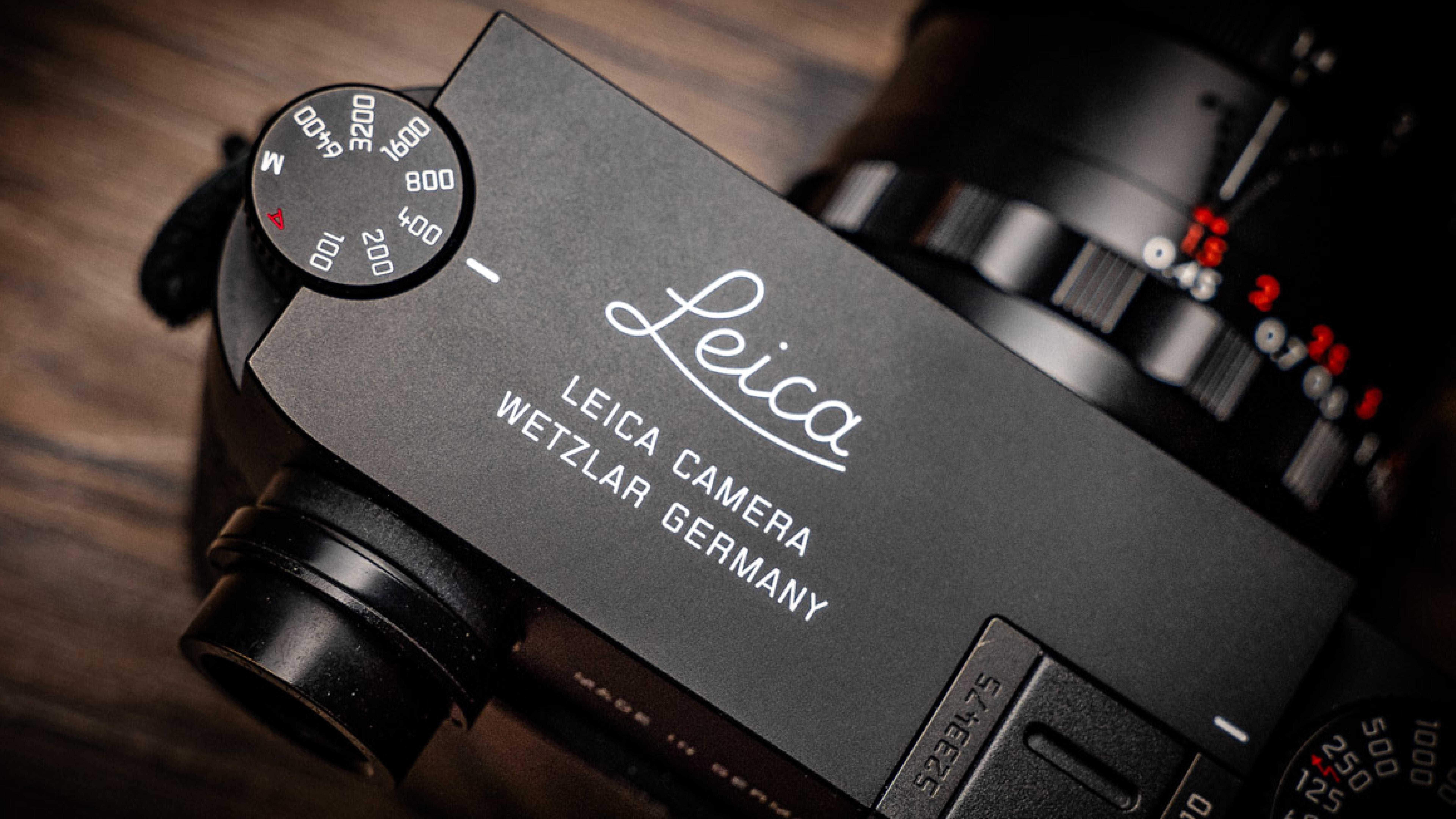
Consider what sustains the desirability and price of something like an old Leica camera or a Porsche. It’s not just the performance they promise, but how they behave each time you engage with them. With the Leica, it’s the cool knurled metal of the dials, the measured resistance of the focus ring, the crisp, decisive click of the shutter - each interaction precise and intentional, expressed through its restrained form and honest materials. With the Porsche, it’s the solid, damped action of the door handle, the defined detents of the switches, the deliberate click of the ignition button - every movement controlled and assured, reinforced by the sculpted surfaces, the material contrasts, the way light moves across metal and leather. The materials matter. But so does the way each mechanism moves, returns, and resolves with consistency and intent - form and behavior working as one. That choreography of motion and material elevates the experience from functional to exceptional, reinforcing, with every interaction, why the brand commands the premium it does.
Most companies can’t devote the resources that brands like Leica or Porsche invest in crafting every touchpoint, and of course, our world is full of products that don’t measure up to that standard. For example, airline interiors offer little beyond the aesthetic presentation and some modicum of comfort. The function is transactional rather than experiential - designed to work, but not to delight. Aside from comfort and service metrics, there’s rarely much pleasure in the many physical interactions you have in a seat you are forced to occupy for hours. The lesson isn’t about whether companies have the budget to do things right; it’s about their intent in the first place. Pleasure, when engineered with intent, isn’t indulgence, it’s strategy.
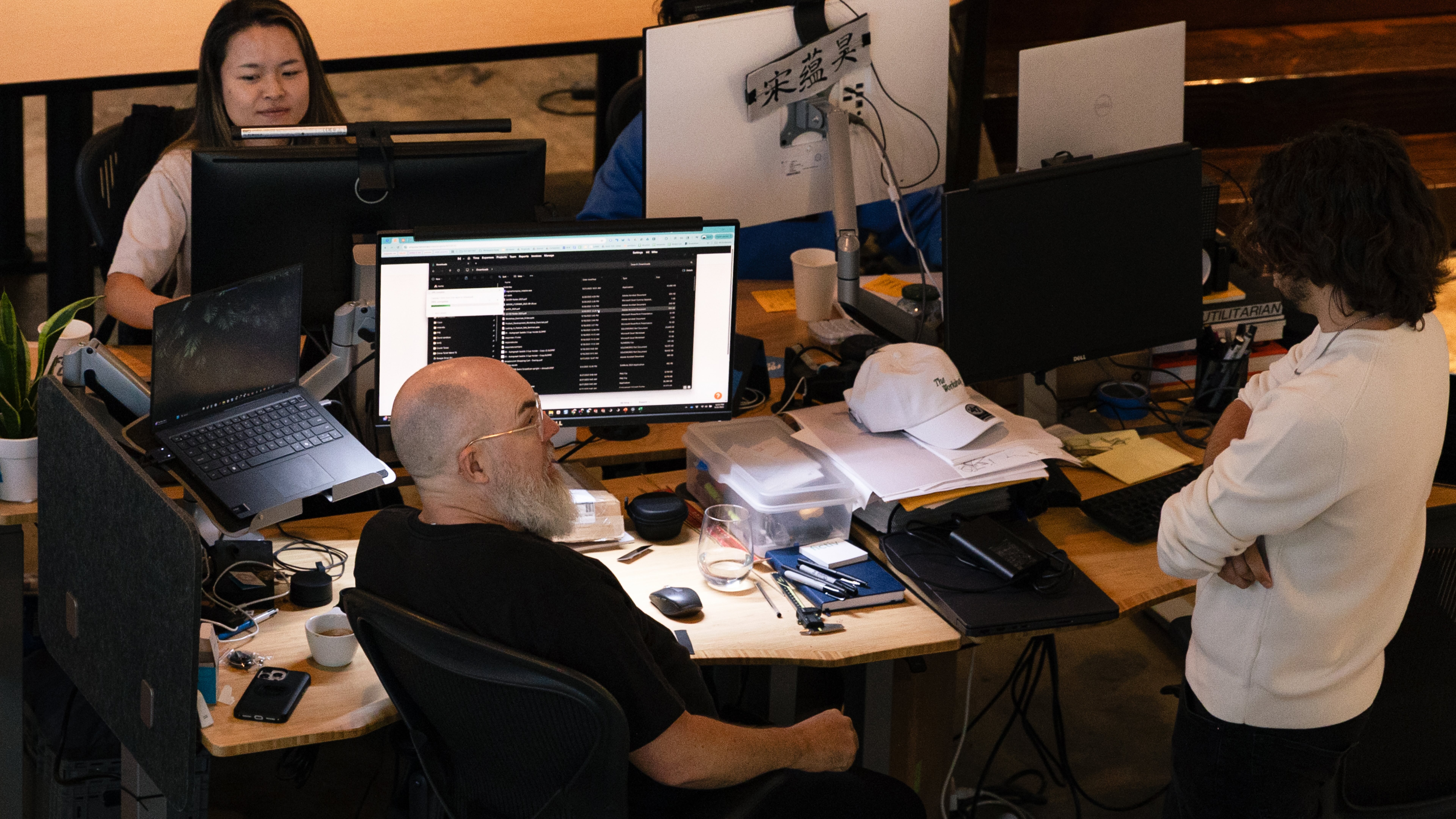
The shortcut to enrichment is a design team that recognizes the power of physical user experience in shaping a complete product. A team willing to challenge category norms and pursue meaningful, ambitious improvements. Imagining elevated physical experiences requires a particular kind of creativity, grounded in mechanical engineering and inventive thinking as much as in aesthetic sensitivity and deep empathy for the user and the context. This only happens when industrial designers and creative engineers work in true lockstep, advancing the solution together and respecting how cross-disciplinary collaboration strengthens the outcome. In that environment, countless possibilities can be rapidly distilled into solutions that feel effortless to use, disciplined in their engineering, and unmistakable expressions of the brand.
As consumers, we’ve come to expect design in nearly everything around us. But introduce an unexpected layer of ingenuity or pleasure to the interaction - something that goes beyond what the category demands - and that’s when customers fall in love with a brand and emphatically tell the world about it.
Share this article


.svg)
.svg)