
The Power of Personality: How We Use Archetypes to Build Brands That Resonate

Walker Harden
·
Laura Ogle
·
March 20, 2026

Most early-stage brands can tell you what they do. Fewer can tell you who they are. And that gap — between a clear product story and a distinctive brand personality — is where many otherwise good companies lose their audience.

This is where brand archetypes come in. At Whipsaw, they've become a central tool in our brand strategy process — not as a shortcut to a personality, but as a shared language for a harder, more important conversation: not just what your brand offers, but how it shows up in the world.

Archetypes work because they tap into stories people already believe

The concept draws from the work of Carl Jung, who identified universal character patterns that recur across cultures, mythologies, and storytelling throughout human history: the Hero, the Sage, the Caregiver, the Explorer, the Creator, and others. Brand strategists Margaret Mark and Carol S. Pearson later applied this to marketing in their book The Hero and the Outlaw, with a straightforward insight: brands that align with archetypal patterns tap into cultural stories and emotional associations people already carry. We're not creating new meaning — we're connecting to meaning that already exists and is deeply embedded in our cultural consciousness.

That's what makes archetypes more than a branding exercise. They operate at the level of emotion and belief, not just logic and product features. When a brand gets its archetype right, people don't just understand its value — they feel it.

The most resonant brands aren't one thing — they're a layered character

Trying to fit a brand into a single archetype is a mistake. Real brands — like real people — are more complex than that. The most compelling personalities draw from two or three archetypes in a clear hierarchy: a primary that anchors the core character, and secondary archetypes that add dimension. This layering does something important — it makes the brand feel alive, and gives customers multiple points of entry, multiple ways to see themselves.
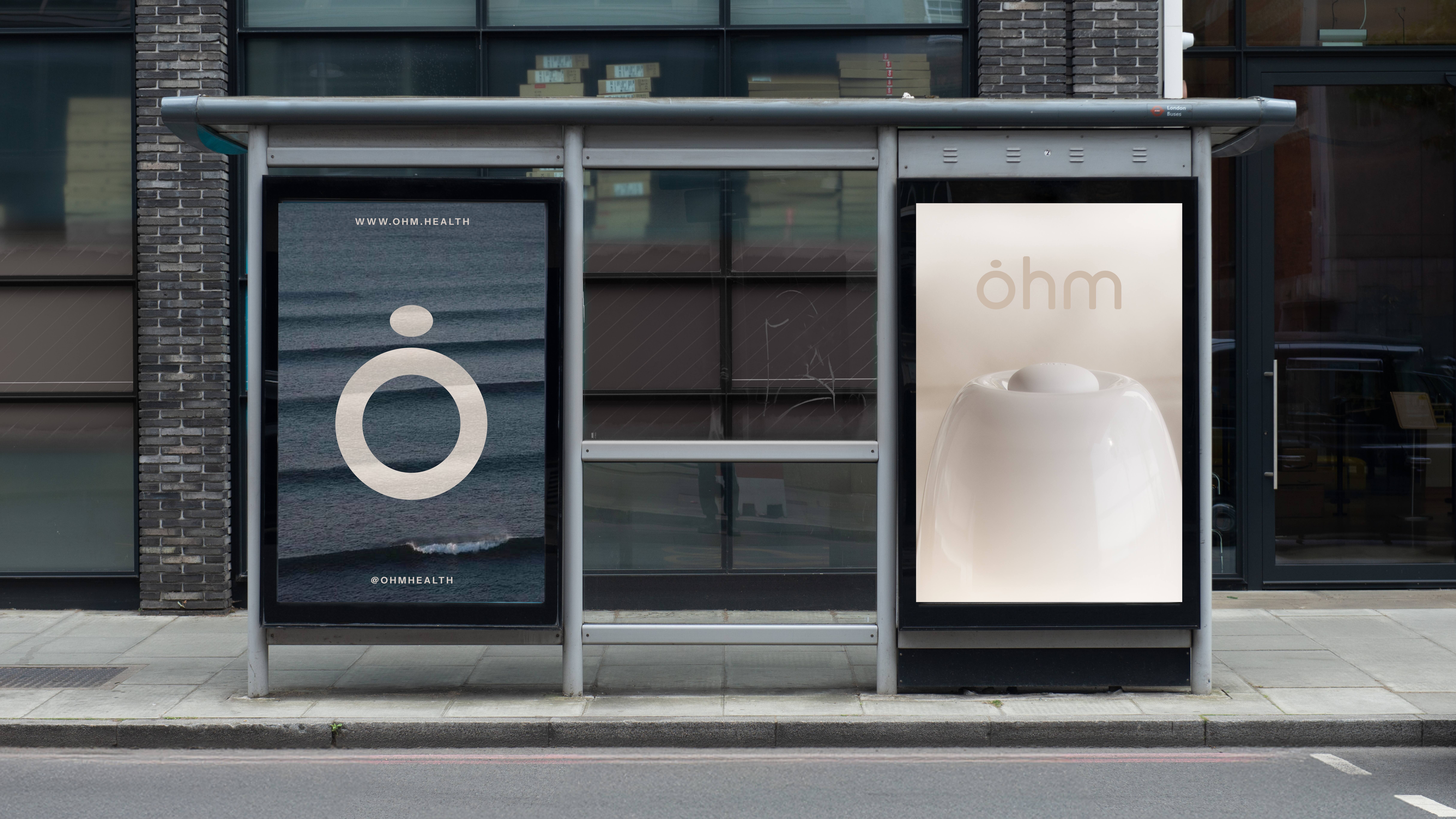
Take Ohm, a breathwork device for nervous system regulation. The science behind it is real and specific — vagus nerve research, resonance-frequency breathing, HRV data — but Ohm isn't just a health tool. It's designed to live in your home as a beautiful object, something closer to a sculptural lamp than a medical device. Leading with clinical credibility alone would have told only half the story. We landed on The Sage × The Caregiver: Sage in the lead for credibility and clarity, Caregiver underneath for warmth and ease. That combination let the brand say "A softer signal in a louder world" and have it feel both intelligent and genuinely human.

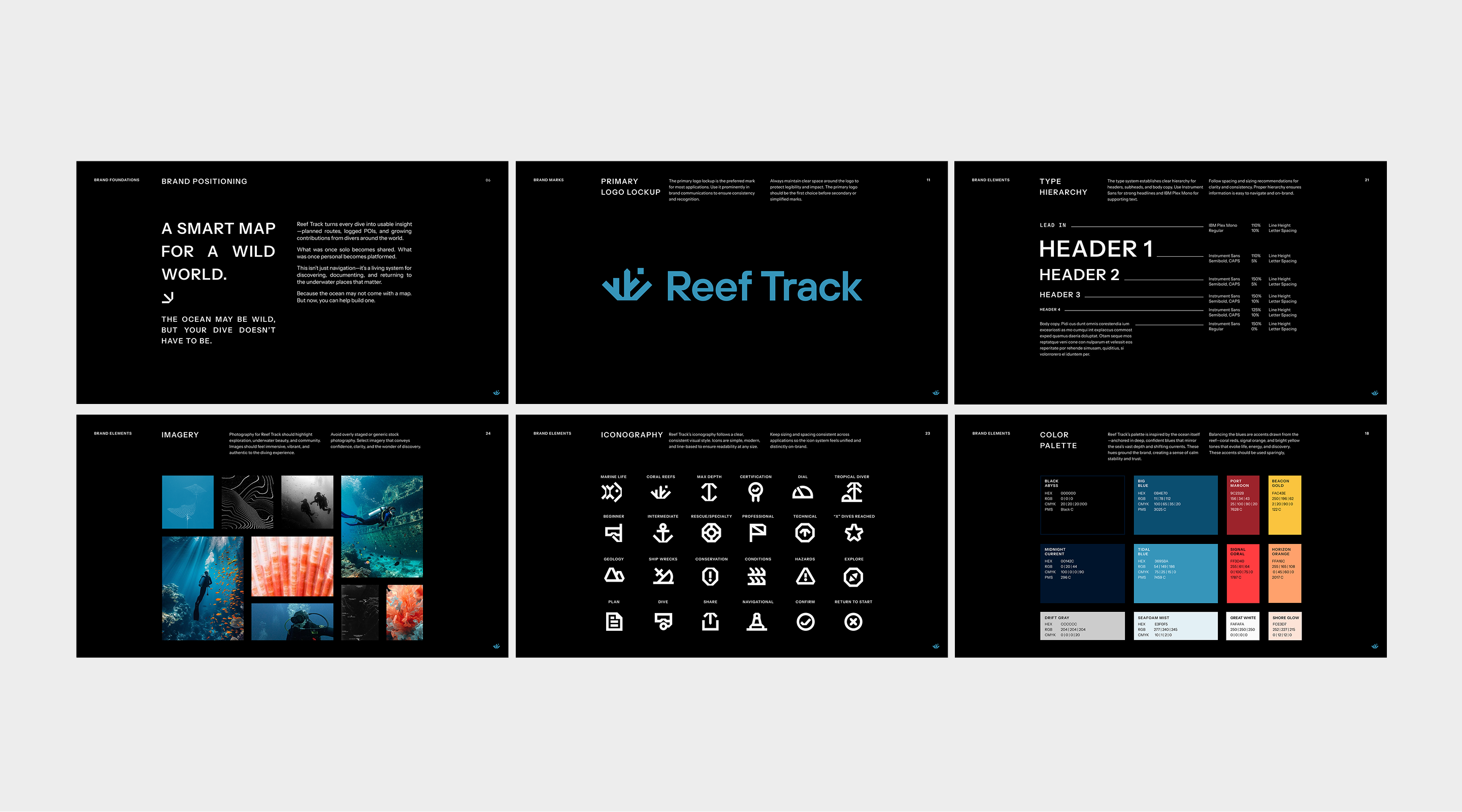
For Reef Track, an underwater navigation system for scuba divers, the blend shifted entirely: The Explorer with elements of The Sage. The Explorer led — this is a brand for people who seek freedom and a deeper connection with uncharted environments. The Sage added the intelligence layer: Reef Track isn't just an adventure tool, it's a precision navigation platform powered by communal data. That combination produced a voice with the confidence of earned experience — "The map that gets smarter every time you dive" — rather than the bravado of ego.
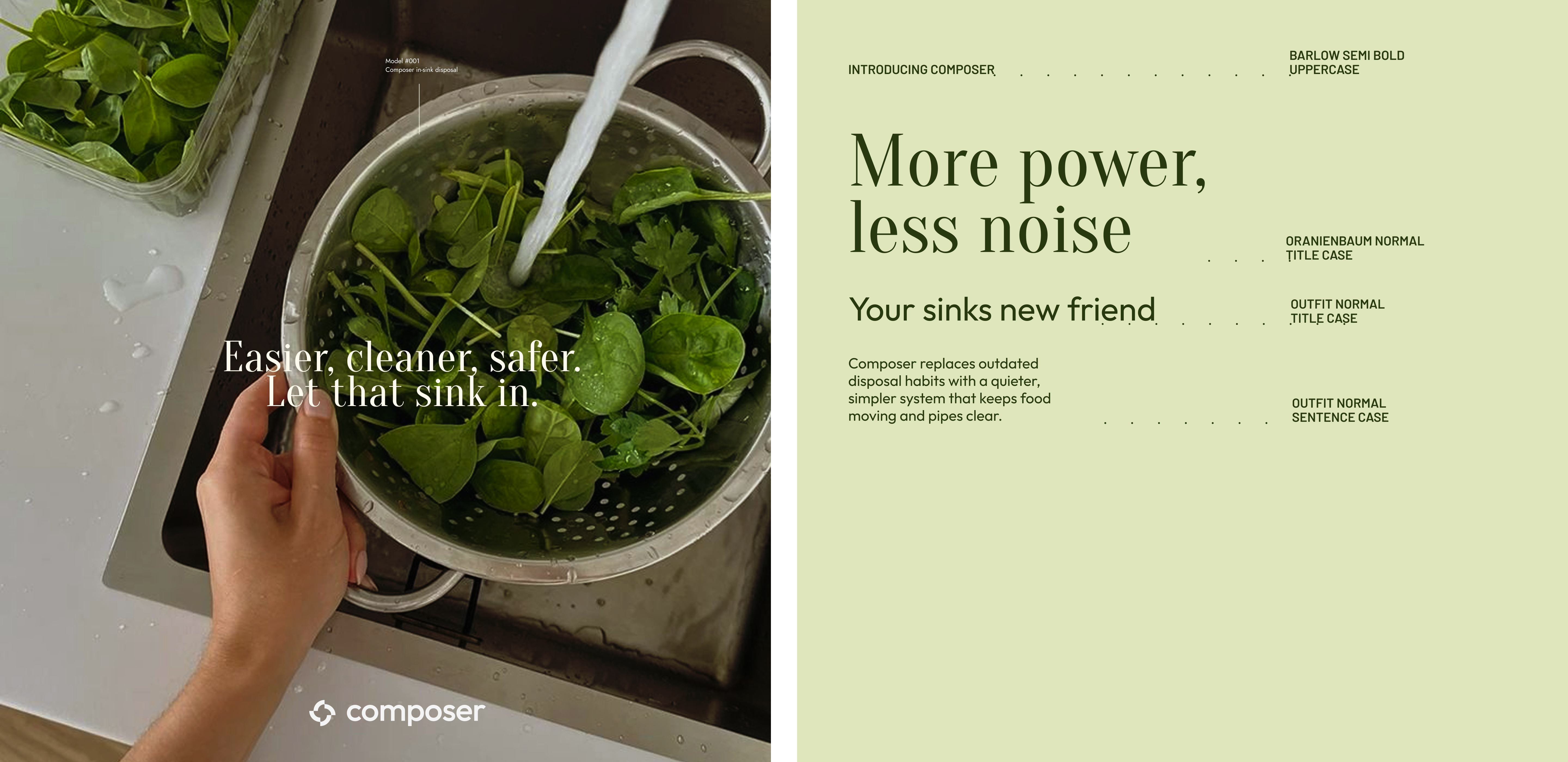
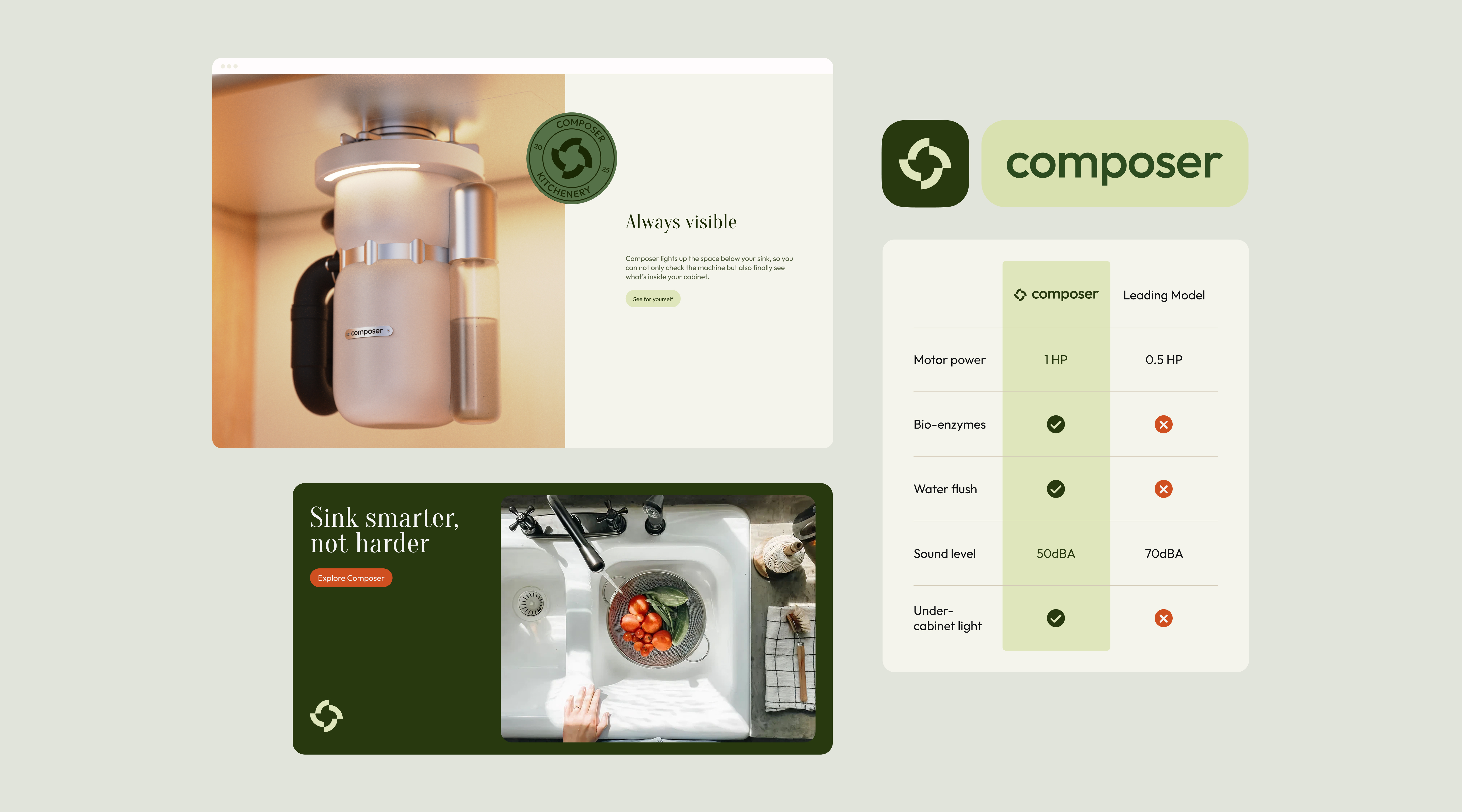
Composer, a reimagined in-sink disposal system, arrived at what we called The Caregiver Creator — a hybrid archetype that captured a brand driven to design what should have always existed. The Caregiver impulse to protect (hands, pipes, the planet) combined with the Creator's commitment to purposeful engineering. The result was a personality that could be both earnest and quietly funny — confident without arrogance, precise without being boring. "Hard on scraps. Easy on pipes."

All three do the same thing in different registers: connect a product truth to a story that the audience already knows how to feel.

The right archetype is one your client sees as true, not just strategic

In our brand strategy work, archetypes come into play after the foundational work is complete — mission, vision, values, market research, and a defined positioning. Once we know where a brand sits and who it's for, we develop multiple positioning routes, each with its own distinct personality and archetype blend, and present them side by side.

This exploration serves a purpose beyond finding the right tone of voice. It helps clients understand what kind of business they're actually building — and what they can genuinely stand behind. The archetype doesn't have to mirror the founder's own personality. But it needs to resonate as something true about the product they're creating and the brand they're going to sell.

With Ohm, we built out three directions before landing on the final one. One leaned into transformation — composed, almost meditative. Another leaned into warmth and emotional resonance, screen-free and soothing. A third prioritized credibility and precision, translating complex science into something personal. Each came with its own personality breakdown, tone descriptors, and example language. The goal wasn't to present options — it was to make the decision tangible, so the team could feel the difference between directions rather than just evaluate them on paper.

That's when personality stops being abstract and starts sounding like someone

Vision and values tell you what a brand believes. Positioning tells you where it sits in the market. Personality tells you who it is — and that's what people actually connect with.

We push this work beyond abstract descriptors by developing concrete tone-of-voice examples in every exploration: language that might appear on a homepage, in a social caption, or on packaging. An archetype might sound right in a strategy deck, but when you try to write a product tagline with it, you find out fast whether it actually works. The lines we wrote for Ohm, Reef Track, and Composer aren't interchangeable — and that specificity is the point.

That's how a brand stops occupying a position and starts feeling alive

Archetypes work because they tap into something deeper than product features or market positioning — the myths, metaphors, and stories that cultures have always used to make sense of the world. When a brand gets this right, it earns a place in how people understand themselves and what they value.

That's what we're building toward: a brand that feels well-rounded, alive, and recognizably itself across every touchpoint. Not a persona bolted onto a product, but a character that grows from the inside out. If you've done the foundational work and you're wondering what comes next — this is it. Figure out who your brand is, not just what it does. Everything else follows from there.

Continue reading to explore the archetypes.

The 12 Brand Archetypes: Find Your Combination

As you read through the twelve archetypes below, resist the urge to pick just one. Notice which two or three resonate most — and start imagining how they might work together. Which one leads? Which adds nuance? Where does your brand's character naturally live?

The Innocent "The one who believes the world can be good — and acts like it."

  • Brand promise: A simpler, more honest way forward.
  • Core drive: Safety, optimism, and the desire to do things right.
  • Personality: Pure, warm, hopeful, unpretentious, trustworthy.
  • Audience: People who value authenticity and are skeptical of hype.
  • Watch out for: Naivety — the Innocent can read as out of touch if the brand doesn't acknowledge real complexity.

The Sage "The one who believes the truth will set you free."

  • Brand promise: Clarity and understanding in a confusing world.
  • Core drive: Knowledge, truth, and the pursuit of wisdom.
  • Personality: Credible, articulate, measured, intelligent, precise.
  • Audience: People who want to understand, not just be told what to think.
  • Watch out for: Distance — without warmth, the Sage can feel cold or inaccessible.

In our work: The Sage anchored Ohm's brand identity, grounding its breathwork science in clarity without tipping into clinical detachment.

The Explorer "The one who believes the best things are found off the beaten path."

  • Brand promise: The freedom to discover who you are on your own terms.
  • Core drive: Adventure, autonomy, and the thrill of the unknown.
  • Personality: Independent, curious, restless, bold, open.
  • Audience: People who define themselves by their willingness to forge their own path.
  • Watch out for: Directionlessness — without purpose, the Explorer can feel unfocused or romanticized.

The Rebel "The one who sees what's broken and refuses to play along."

  • Brand promise: A better alternative for those who feel underserved by the status quo.
  • Core drive: Liberation, disruption, and the courage to challenge convention.
  • Personality: Rebellious, provocative, fearless, raw, magnetic.
  • Audience: People who feel the existing options don't speak to them or serve them.
  • Watch out for: Posturing — forced rebellion reads as inauthentic fast, and audiences will notice.

The Magician "The one who makes the impossible feel within reach."

  • Brand promise: A transformative experience that changes how you see the world.
  • Core drive: Transformation, vision, and the power of possibility.
  • Personality: Visionary, wonder-inducing, mysterious, inventive, captivating.
  • Audience: People who are open to change and hungry for experiences that feel genuinely new.
  • Watch out for: Overpromising — the Magician must deliver real transformation, not just the feeling of it.

The Hero "The one who rises to the challenge and inspires others to do the same."

  • Brand promise: The tools, inspiration, and belief to achieve something that matters.
  • Core drive: Mastery, courage, and the drive to prove what's possible.
  • Personality: Bold, determined, empowering, competitive, action-oriented.
  • Audience: People motivated by challenge and defined by their ability to overcome it.
  • Watch out for: Exhaustion — an unrelenting Hero tone can feel demanding or exclusionary over time.

The Lover "The one who believes that beauty and connection are what make life worth living."

  • Brand promise: An experience that makes you feel truly seen and deeply satisfied.
  • Core drive: Intimacy, passion, and the desire for closeness with people and experiences.
  • Personality: Sensory, warm, aesthetic, emotionally rich, indulgent.
  • Audience: People who lead with feeling and are drawn to brands that reward the senses.
  • Watch out for: Superficiality — if the substance doesn't match the seduction, trust erodes quickly.

The Jester "The one who reminds you not to take everything so seriously."

  • Brand promise: A little levity in a world that could use it.
  • Core drive: Joy, humor, and the freedom to live in the moment.
  • Personality: Playful, witty, irreverent, surprising, disarming.
  • Audience: People who appreciate brands that don't take themselves too seriously.
  • Watch out for: Shallowness — without substance underneath the humor, the Jester becomes forgettable.

The Everyman "The one who just wants to belong — and make sure you do too."

  • Brand promise: A brand that gets you, without pretense or performance.
  • Core drive: Belonging, authenticity, and the desire to connect on equal footing.
  • Personality: Down-to-earth, relatable, inclusive, unpretentious, genuine.
  • Audience: People who are put off by elitism and respond to brands that speak like real humans.
  • Watch out for: Blandness — the Everyman's relatability can flatten into forgettability without a distinct point of view.

The Caregiver "The one who shows up, protects, and never makes you feel alone."

  • Brand promise: Genuine support, without strings attached.
  • Core drive: Protection, nurturing, and the desire to serve others.
  • Personality: Warm, generous, dependable, gentle, selfless.
  • Audience: People who value trust and respond to brands that prioritize their wellbeing over their wallet.
  • Watch out for: Martyrdom — a brand that only gives and never asserts can feel passive or lacking in confidence.

The Ruler "The one who creates order, sets the standard, and leads by example."

  • Brand promise: The assurance that comes from choosing the best.
  • Core drive: Control, stability, and the responsibility to lead well.
  • Personality: Authoritative, refined, commanding, structured, aspirational.
  • Audience: People who value excellence and want a brand that reflects their own high standards.
  • Watch out for: Coldness — without warmth or purpose alongside it, the Ruler can feel exclusionary or out of touch.

The Creator "The one who builds what doesn't exist yet because it should."

  • Brand promise: Something original, crafted with intention and built to last.
  • Core drive: Innovation, imagination, and the drive to make something meaningful.
  • Personality: Original, expressive, craft-obsessed, visionary, purposeful.
  • Audience: People who see themselves as builders, designers, or makers — and want brands that share that sensibility.
  • Watch out for: Perfectionism — the Creator can get so lost in the making that it forgets to connect with the people it's making for.

Your turn

The right combination should feel recognizable, like describing someone you already know. And once you've found it, every decision that follows — from your homepage headline to your packaging copy to the way your team answers the phone — gets a little clearer.

If you're ready to explore what your brand's archetype combination looks like in practice, get in touch. This is the work we love most.

Topics

Walker Harden

Walker leads a dynamic, multidisciplinary team of designers, strategists, and researchers at Whipsaw. Under Walker's leadership, the team delivers solutions that solve critical product challenges that balance user and business needs. Walker loves to think about the broad strategic direction of Whipsaw programs and dig into the details of complex user flows, participatory design workshops, wireframing, and user interface design. 

Laura Ogle

As Lead Design Strategist at Whipsaw, Laura bridges the worlds of business and design to help teams align around clear, actionable goals. Trained as a design strategist with an MBA in Design Strategy from California College of the Arts, she draws on a wide array of frameworks and foresight methods to guide clients through ambiguity and shape strategies grounded in audience, market, and competitive realities. Known for her clarity, speed, and collaborative spirit, she helps transform early ideas into meaningful design directions that drive lasting impact.

Share this article