

One of the most impactful products I've ever worked on never got patented. It was copied widely, which meant it reached far more patients than it might have otherwise — and that turned out to be exactly the right outcome.
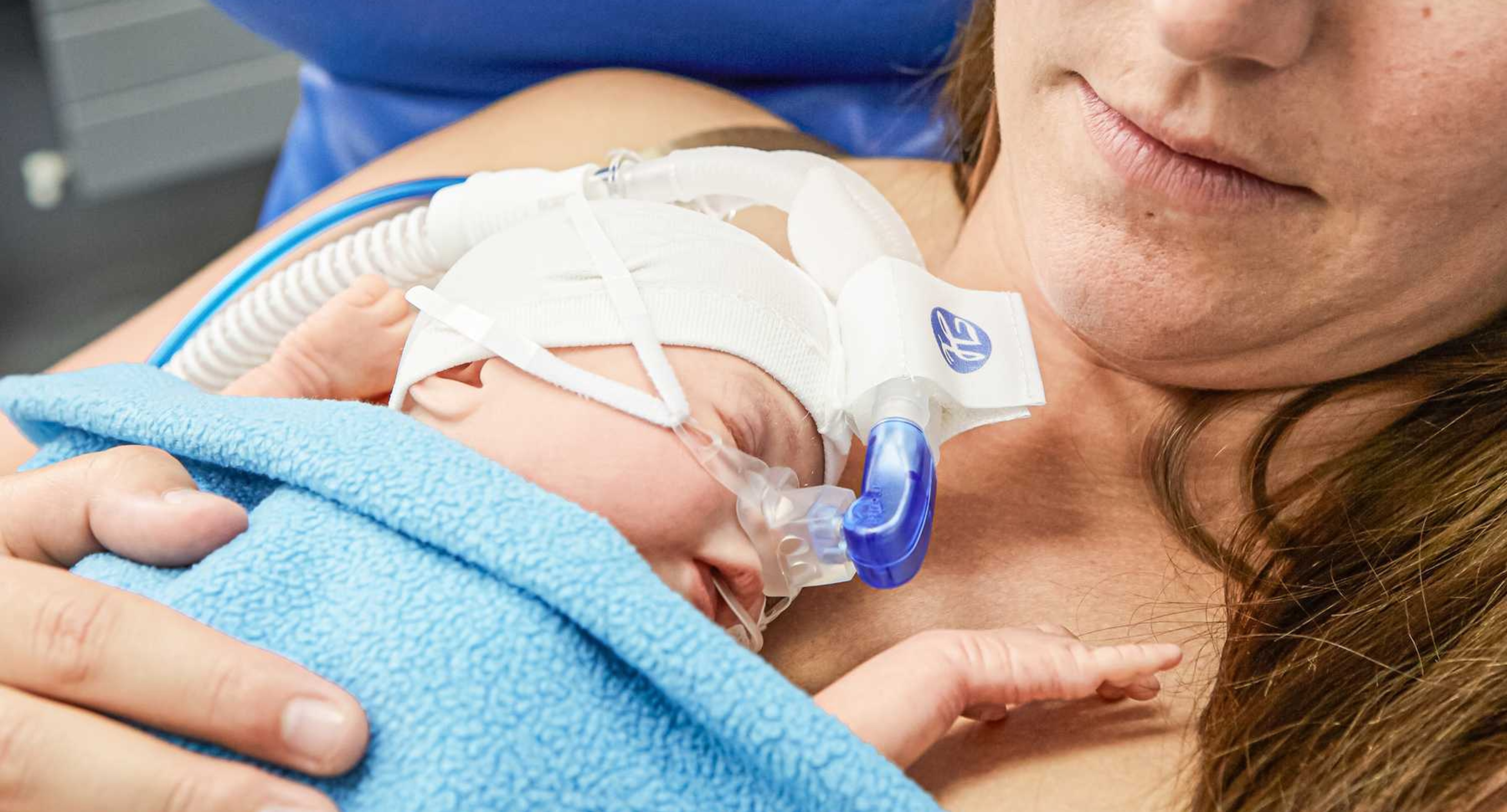
Early in my career, I worked with an R&D group at Brunel University researching neonatal care. They had identified a serious problem: premature infants in the NICU who need CPAP support to breathe were being fitted with nasal prongs — devices notoriously difficult to seal effectively. Nurses were forced to tighten straps to compensate, and in the most fragile patients imaginable, that tightening caused permanent damage and disfigurement of the nose.
The solution we designed was a soft silicone mask — stable enough not to shift once placed, and carefully engineered to seal effectively without pressure. Much of the work went into tuning the thickness of the silicone across different zones of the mask: creating the right balance of flex, compression, and structural integrity so it could conform, hold, and protect simultaneously. It worked. It spread.
Patents never entered the conversation — because we were too focused on getting the experience right. That, I've since learned, is exactly the right order of priorities.
What I learned from that project wasn't about IP. It was about what happens when you take physical user experience seriously enough to refuse the obvious solution. The nasal prong existed because it worked, technically. The mask existed because we asked a different question: what does this interaction actually need to feel like, for a nurse, for a family, for a child whose nose is still forming? That question led somewhere new. It almost always does.
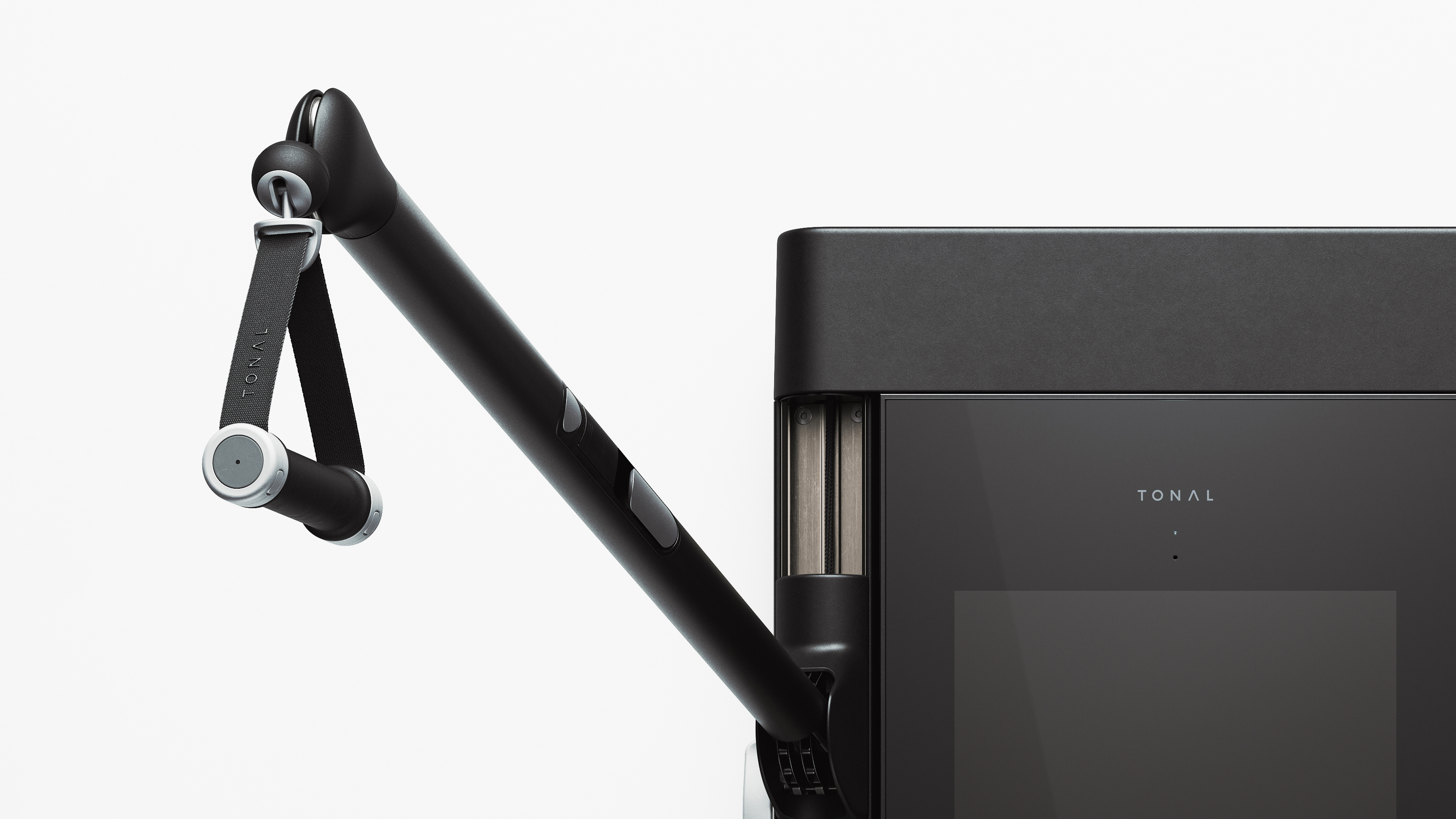
Over the roughly 30 utility patents I've been involved with since, the pattern has repeated itself in ways I didn't initially anticipate. The patents that turned out to be most defensible — the ones competitors struggled most to design around — rarely came from a deliberate hunt for IP. They came from the same place as that neonatal mask: from refusing to accept a mediocre interaction, and following the mechanical implications of that refusal all the way to a solution that hadn't existed before.
This is the insight most founders miss, and it's an expensive one to miss late.
When hardware founders think about protecting their product, they tend to think about their technology — the algorithm, the sensor, the proprietary material. These are worth protecting. But technology can often be replicated or worked around. What's genuinely harder to copy is a physical experience that's been designed with enough invention and intent that the mechanism behind it is novel. Because that mechanism isn't just an engineering choice. It's the direct expression of a UX decision someone cared deeply enough to pursue all the way down.
The founders who understand this tend to arrive at their IP strategy through their product strategy, not separately from it. They start with a clear-eyed assessment of what the experience should be — every interaction, every moment of friction they're unwilling to tolerate — and they work backward from that standard into the mechanical architecture of the product. When that process is driven by genuine ambition for the experience, it frequently arrives at places that are both novel and patentable.
The founders who don't understand it tend to make a related mistake: they separate design and engineering, or they let engineering lead both. The result is a product architecture built around what's feasible and manufacturable, with the user experience considered afterward — layered on top of decisions that have already constrained what's possible.

We recently spoke with a founder in exactly this position. They had a connected product with a consumable component, and they'd hit a wall in development. The technical side had been addressed in isolation from the experience side, and the experience side had never really been used to interrogate the technical architecture at all. The interactions a user would have with the product every day hadn't been the organizing principle behind the design — they'd been an afterthought. The result was a product that worked, but didn't invite. And an IP position that reflected the engineering choices that had been made, rather than the experiential ones that hadn't.
What this founder is now doing — working backward from the experience to reframe the product architecture — is where the most interesting IP in their category is likely to be found. Not because they went looking for patents. Because they're finally asking the right questions about what the product should feel like to use, and those questions are leading somewhere technically novel.
The most valuable IP in hardware is rarely where founders expect it. It tends to live at the intersection of a physical interaction someone refused to compromise on and the mechanical problem that stubbornness created. That's not a coincidence. The experience worth protecting is the one that required something genuinely new to exist.
If you're building a hardware product and you haven't yet asked what the experience should be — not just what the product should do, but how every interaction should feel — you're probably not just leaving design value on the table. You're leaving IP on the table, too.
Share this article


.svg)
.svg)