

.avif)


Before anything gets explored, we align on what we're looking for and why. Kickoff workshops and cross-functional stakeholder interviews to define the innovation mandate, success criteria, requirements, and guardrails. If we don't agree on what winning looks like, nothing we generate later will feel like a hit.
Early future signals get translated into possible concept paths. Idea clusters become opportunity areas. Each area gets ranked by impact, feasibility, and brand fit. The result is a clear map of where to invest, grounded in evidence instead of opinion.
Insights from all sessions get analyzed for convergent themes and user resonance. Leading concepts get refined iteratively with 3D prints and CAD, aligned to the CMF direction that's emerging. The whole thing lands as a prioritized roadmap with clear rationale for why each concept earned its place.
We review what you already know, then go find what you don't. Existing consumer insights and behavioral data get synthesized into pain points, unmet needs, and priority questions. A market scan audits competitive and adjacent categories to benchmark best practices and surface future signals. Social listening on leading hypotheses runs through our proprietary research software.
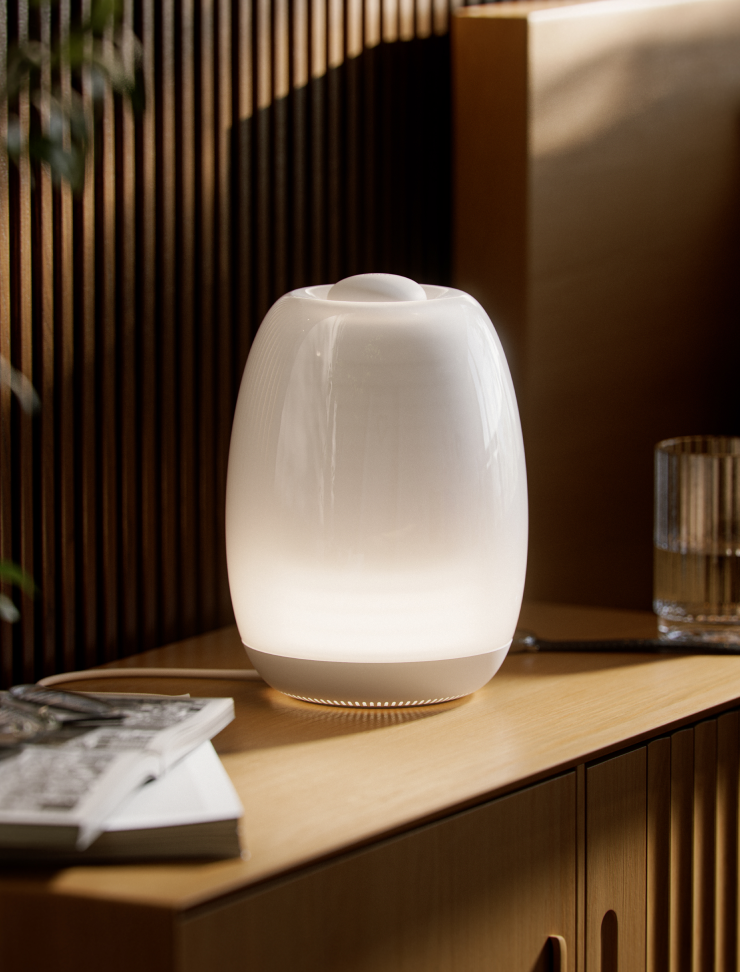
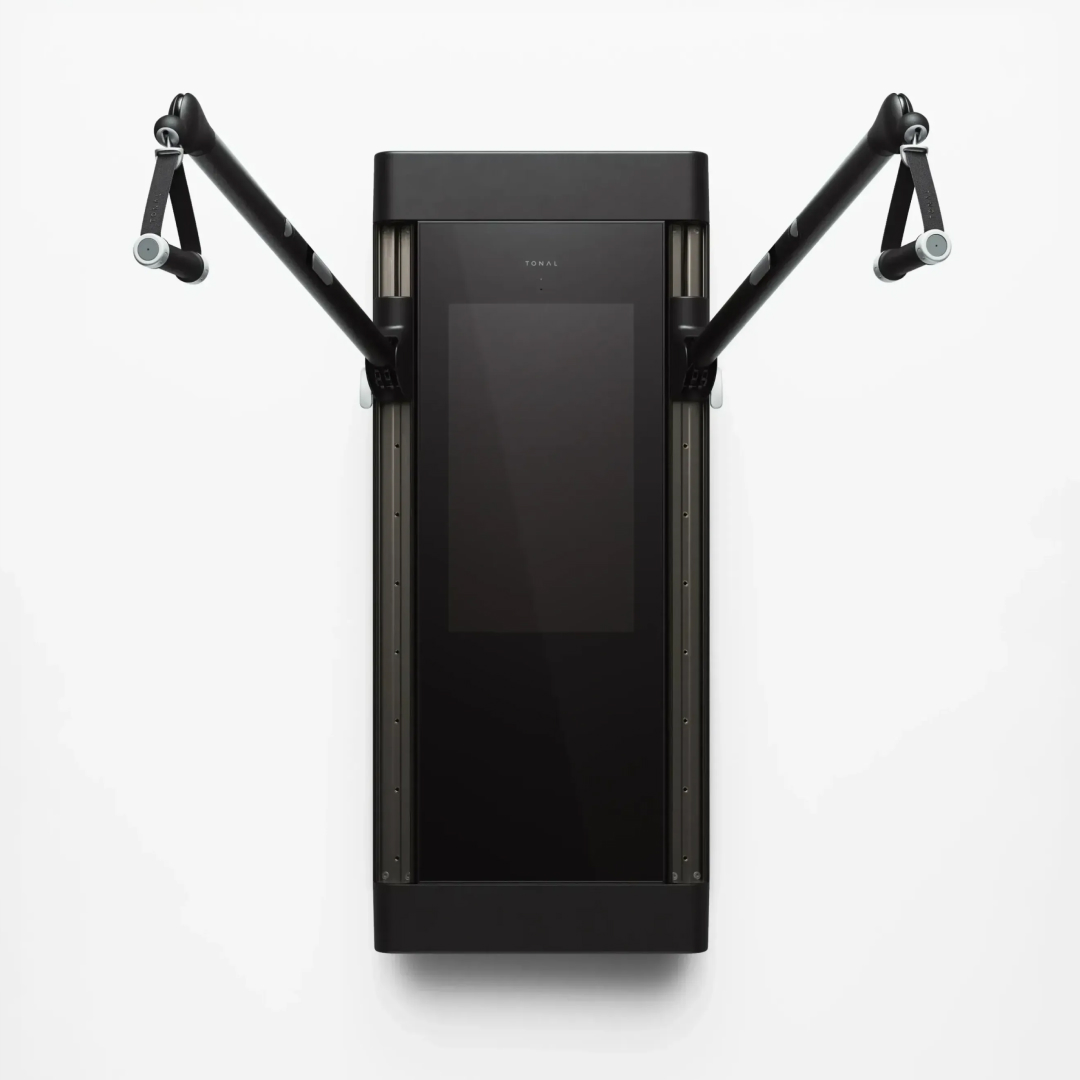
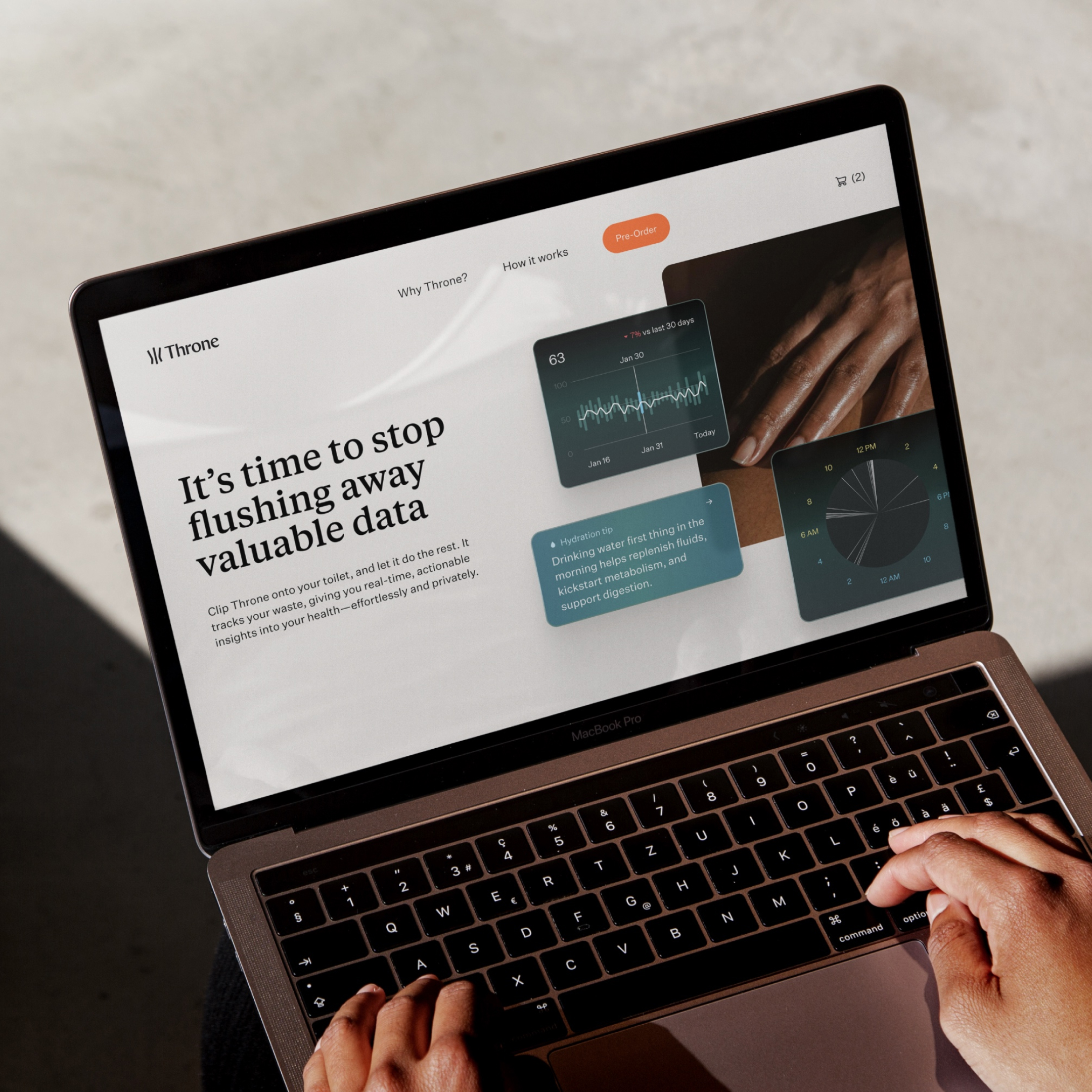

The fun part. A portfolio of concepts that test new features, forms, materials, and configurations. A spectrum from near-term to visionary, illustrated through sketches, storyboards, early CAD, and 3D prints. The goal isn't to pick a winner yet. It's to make the possibilities real enough to react to.
We observe real users in context, not in a focus group. Onsite shadowing with representative users grounds the work in real behavior, not reported behavior. We build a JTBD framework for the two to three key personas, then map it against pain points and opportunity areas.
Concepts get put in front of real people. A preference mapping exercise with 100 to 200 participants reveals underlying attitudes and values without anchoring on specific concepts. Qualitative sessions with 8 to 10 target users blend validation and co-creation, so we're testing response and generating ideas at the same time.